
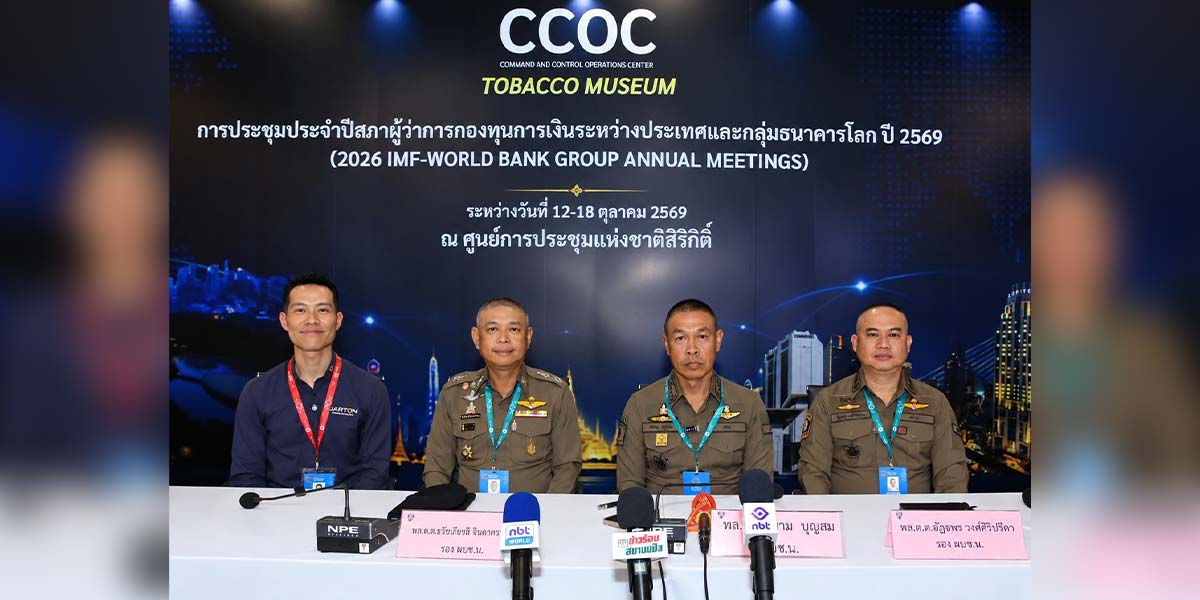
JARTON, a provider of security innovations for homes, buildings and smart cities under the JARTON Holdings business group, has showcased the capabilities of its intelligent screening technology in preparation for the IMF-World Bank Group Annual Meetings 2026. The event is expected to attract more than 15,000 participants from 191 countries.
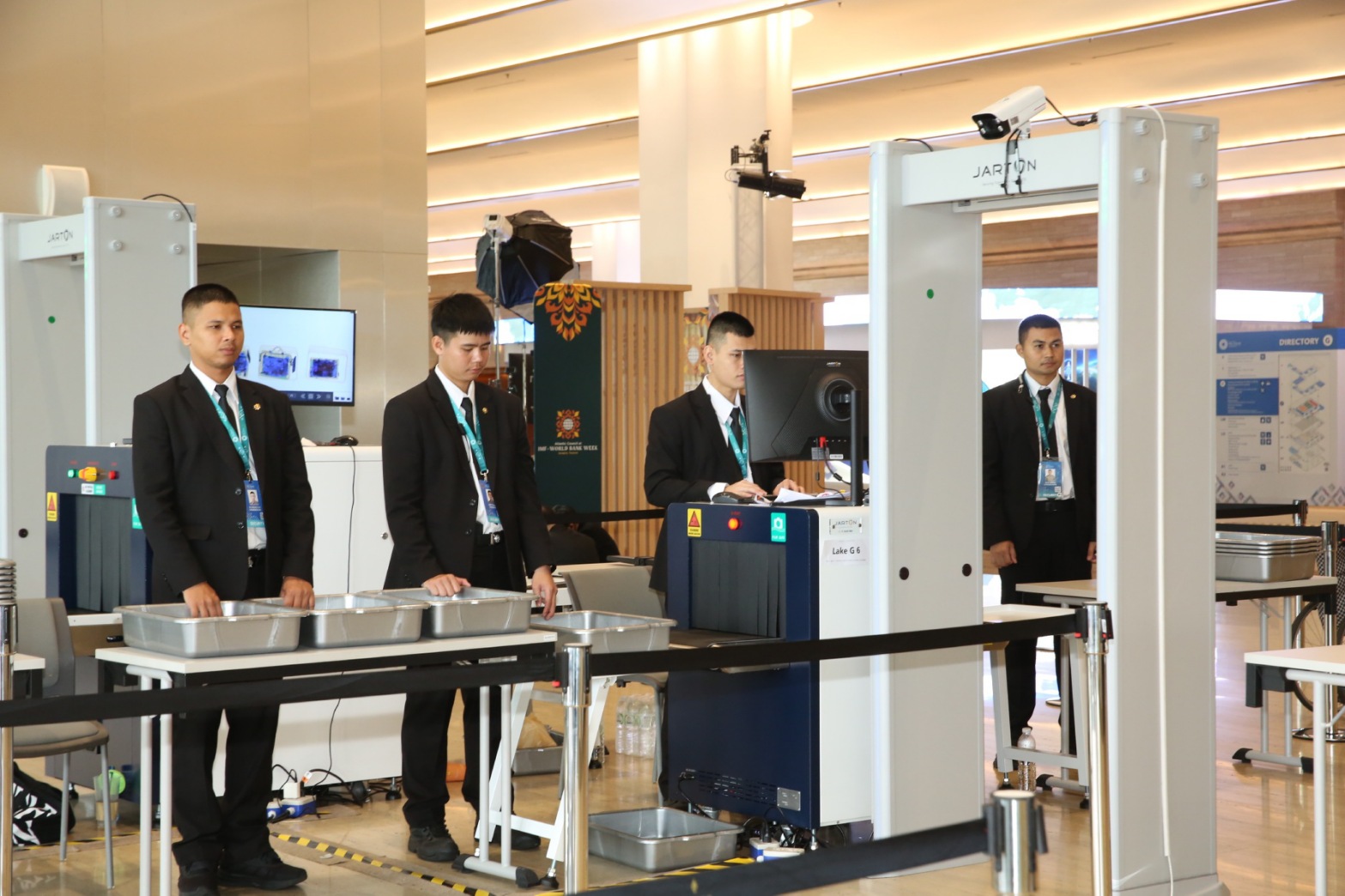
JARTON has also unveiled the JARTON MMW Flow Scan Gen 2 and JARTON AI WTMD Gen 3 for the first time in Thailand, bringing screening technology designed for major international events to support officers in their operations and reduce congestion at checkpoints. The company also outlined its three-year business direction for 2027-2029, focusing on expanding its customer base, developing AI Software as a Service (SaaS) and Cyber Security services, and growing its presence in ASEAN markets.
Meanwhile, the Metropolitan Police Bureau (MPB) joined JARTON in demonstrating its readiness in terms of security measures, including officer deployment, the use of technology to support screening operations, and coordination between the CCOC command center and field officers, to provide reassurance to delegates from around the world.
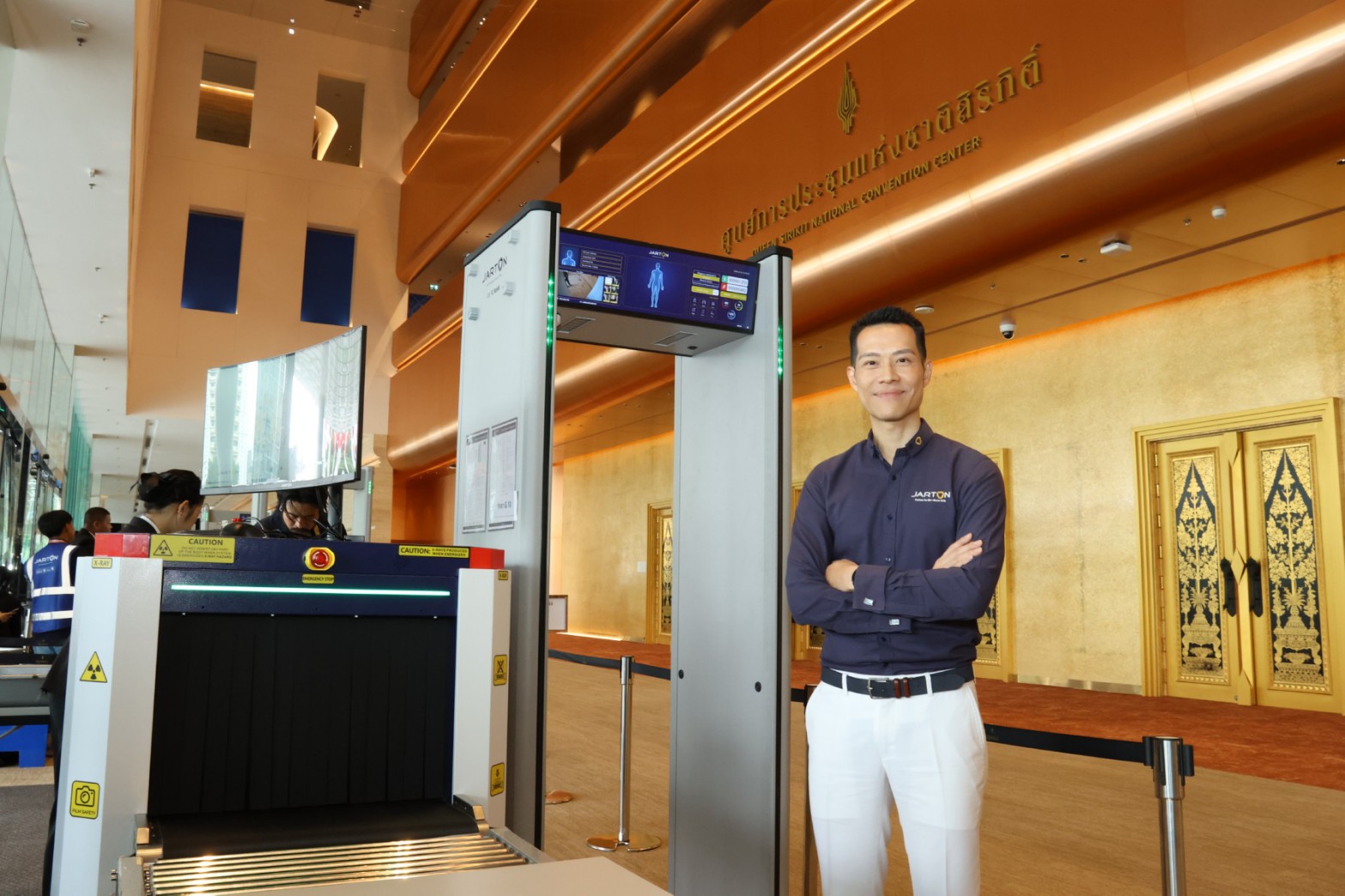
Mr. T-Tutt Jungkankul, Managing Director and Chief Executive Officer JARTON Holdings Group of Companies, said demand for security technology was increasing in line with the use of public spaces, transport systems, buildings and international conference venues. Organizations therefore placed importance on systems capable of conducting continuous screening, accommodating large numbers of users and integrating data to support officers in their duties.
JARTON focuses on developing solutions suited to the characteristics of each location and the operational requirements of individual organizations. Drawing on nearly 50 years of experience in security systems and technology for the public and private sectors, the company has developed solutions tailored to Thailand’s specific needs, while extending its expertise across the ASEAN region. Its portfolio ranges from walk-through metal detectors and X-ray scanners to security screening systems.
JARTON has experience working with a range of projects and organizations, including the Pink, Yellow, Purple and Blue Line MRT, the Royal Thai Air Force Wing 23, the Bank of Thailand and the One Bangkok development. The company has also provided walk-through metal detector systems for the FIFA Congress 2024.
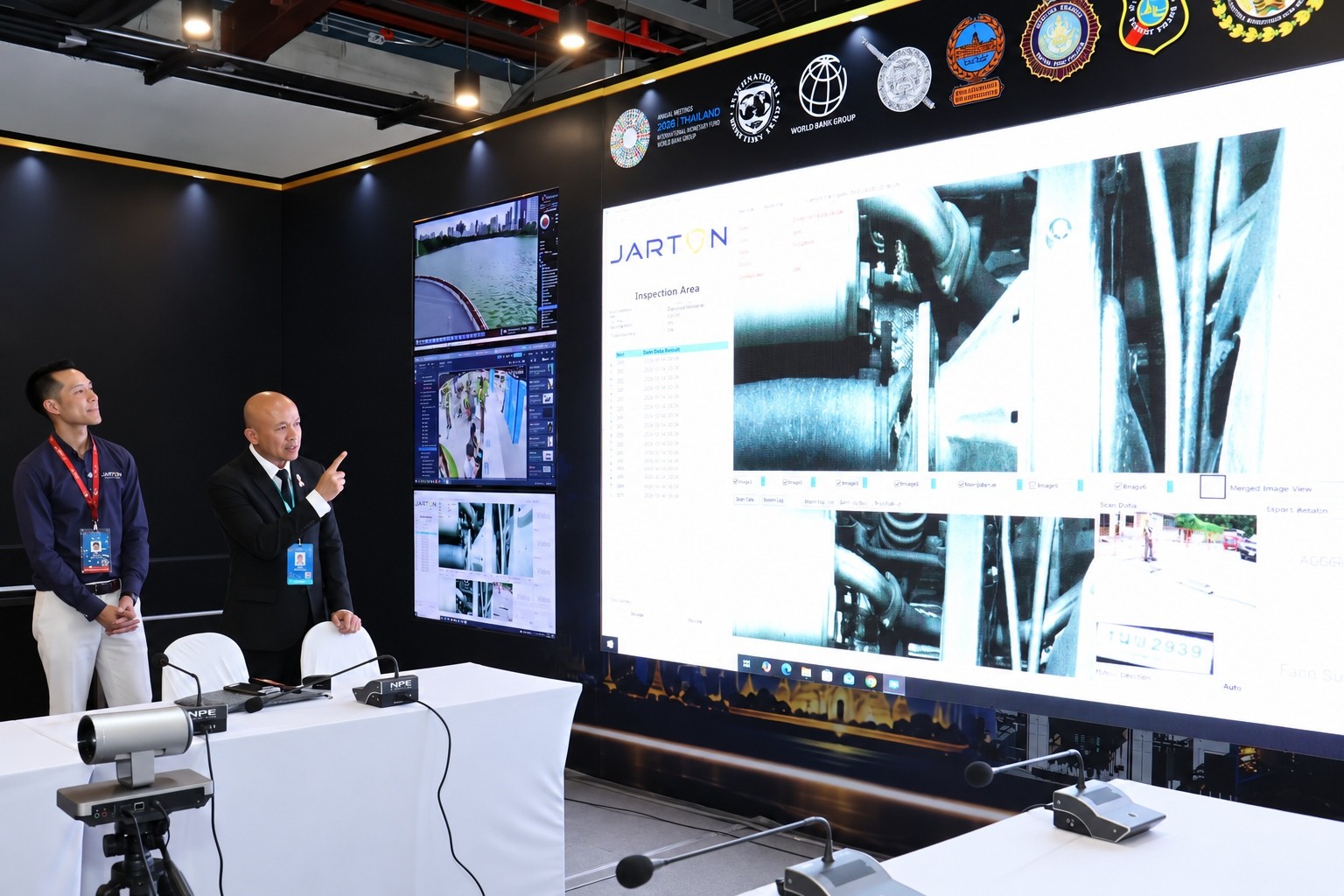
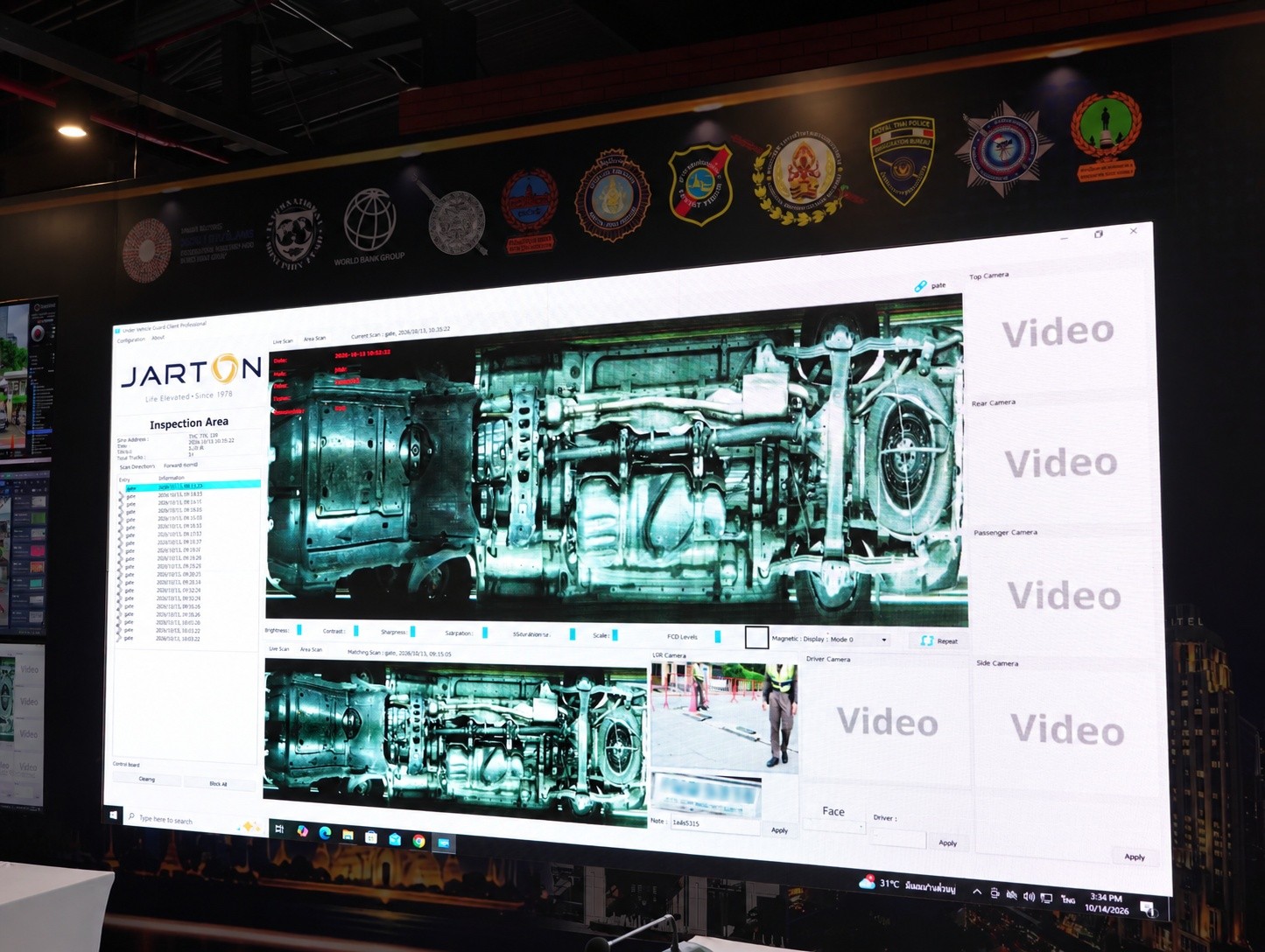
For the 2026 Annual Meetings of the Boards of Governors of the International Monetary Fund and the World Bank Group (IMF-World Bank Group Annual Meetings 2026, or AM2026), JARTON has been selected to provide security screening systems. These encompass conventional walk-through metal detectors (WTMD), AI-powered walk-through weapons and metal detectors (AI WTMD), AI-powered baggage X-ray scanners, millimeter-wave (MMW) personnel screening systems, and under-vehicle scanners for detecting suspicious objects. More than 100 units of equipment will be deployed, supported by a technical team of over 30 people. Their responsibilities cover planning and installation, system readiness testing, and providing operational support to officers and maintaining the equipment throughout the event.
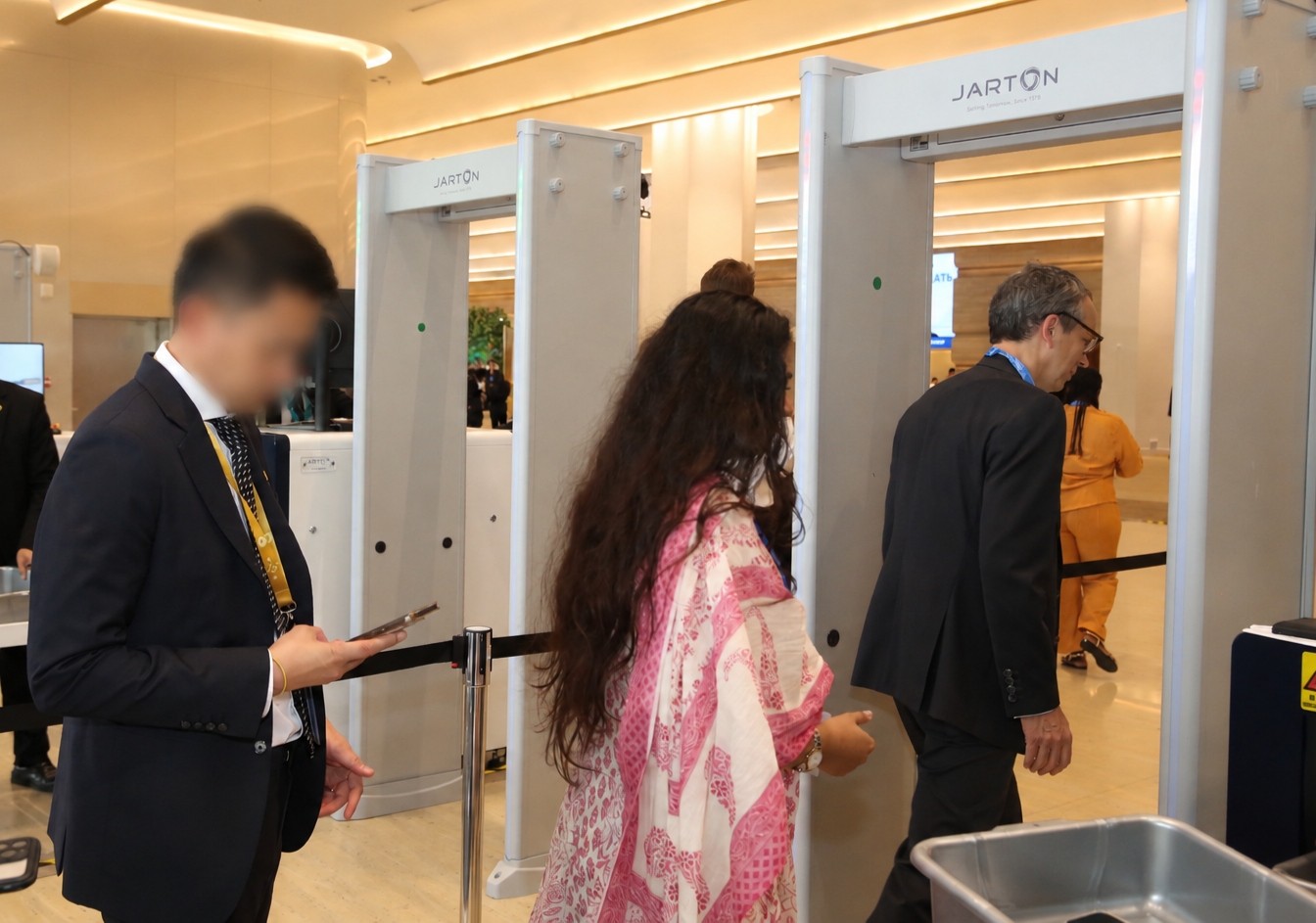
“One example of our collaboration with officers is the adjustment of screening checkpoint positions to align with registration points and pedestrian routes, helping to prevent crowds from building up. MMW systems are used for preliminary screening, allowing people being screened to pass through while carrying their bags and belongings without having to separate them at this stage. If the system triggers an alarm, officers direct the individual to a separate lane for further, more detailed screening in accordance with the event’s security measures. This approach enables preliminary screening to proceed continuously while allowing officers to focus on cases requiring additional checks.”
Over the past year, total sales across the JARTON Holdings business group, which includes its hardware manufacturing business, grew by approximately 10%. Meanwhile, the security screening systems, software and AI technology segment recorded growth of approximately 30%. A key driver of this growth has been the launch of AI-powered weapons and metal detectors and baggage X-ray scanners, which use AI to distinguish everyday items from suspicious metal objects.
Over the past five years, the business group has invested in AI development in collaboration with developers in Thailand and overseas, applying the technology to weapons and metal detectors, baggage X-ray scanners, CCTV systems and under-vehicle scanners. These efforts aim to improve detection accuracy, reduce inspection times and develop data integration capabilities to support officers in their operations.
Mr T-Tutt also outlined the group’s business direction for the next three years, from 2027 to 2029, stating that JARTON Holdings aims to achieve average annual growth in total revenue of approximately 20%. Building on its established equipment and technology capabilities, the group will pursue three key strategies:
1) Expanding the customer base by leveraging its hardware capabilities JARTON currently offers equipment covering the screening of people, baggage and vehicles, with systems capable of supporting a variety of applications. Its next phase of growth will focus on expanding its customer base and adapting existing systems for use by organizations and large-scale projects, including government agencies, airports, transport systems, shopping centers, commercial buildings and businesses in the Meetings, Incentives, Conferences and Exhibitions (MICE) sector.
2) Extending AI into Software as a Service (SaaS) and Cyber Security services JARTON aims to develop software and AI services under the Software as a Service (SaaS) model for business partners that already possess hardware equipment and wish to add or enhance AI capabilities. The company will continue to develop new functions and improve its systems in response to user requirements, while integrating them into a centralized management platform.
At the same time, the business group is developing Cyber Security services to protect websites against attacks and reduce the risk of unauthorized access to data. These services are intended particularly for government agencies, security-related organizations and businesses that place a high priority on data security. The group intends to establish its AI SaaS and Cyber Security services as important sources of recurring revenue to support JARTON’s long-term growth.
3) Expanding into international markets, particularly ASEAN JARTON sees opportunities among organizations and facilities across the region that continue to use conventional security systems and are looking to enhance their capabilities through AI and intelligent screening technology. The company aims to offer both hardware and software tailored to the needs of each market, while building confidence in the JARTON brand by drawing on its experience supporting major international events.
Under this plan, JARTON Holdings aims to achieve total sales of 1 billion baht across the group by 2030. Its focus will be on increasing revenue from security screening systems and software services, alongside its manufacturing and distribution businesses, which form the group’s core foundation.
Pol Col Visitsak Vipattanamongkol, Superintendent, Explosive Ordnance Disposal (EOD) Unit, Patrol and Special Operations Division, Metropolitan Police Bureau, Royal Thai Police, said security arrangements for the IMF-World Bank Group Annual Meetings 2026 required comprehensive preparation in terms of personnel, screening systems and site management to accommodate participants from around the world. The growing complexity and interconnected nature of security threats meant that the relevant agencies had to assess risks in advance and develop appropriate response plans tailored to each venue and type of activity.
The key approach comprised four dimensions: 1. Advance risk assessment ensuring that assessments are appropriate to the characteristics of the venue and the activities taking place. 2. Using technology to support screening improving detection efficiency and operational effectiveness. 3. Managing venues and the movement of people reducing congestion around screening checkpoints and 4. Integrating information, personnel and incident response plans enabling the relevant agencies to coordinate and make decisions quickly.
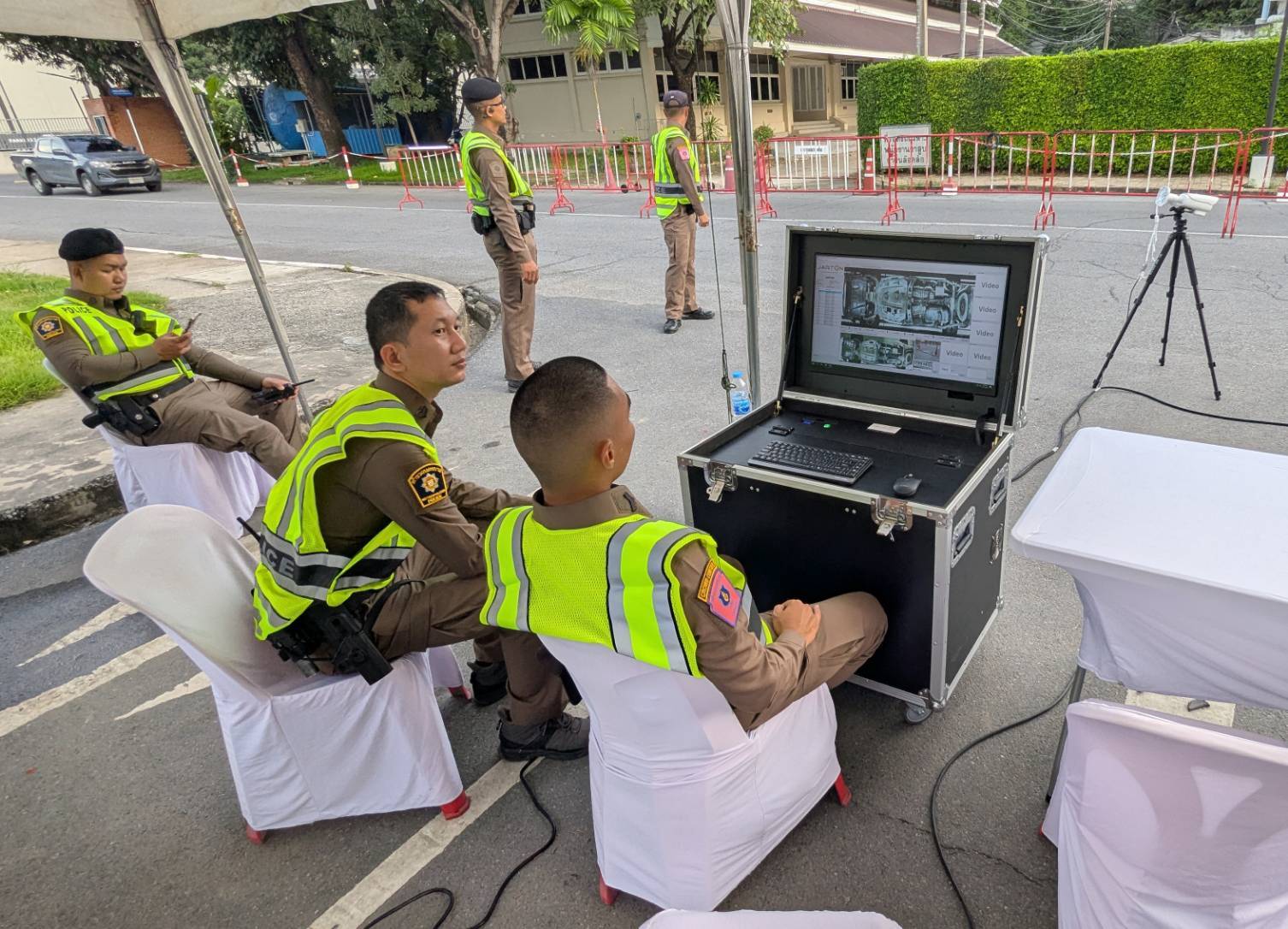
Technology serves to support operational activities, while officers remain responsible for assessing situations and making decisions in accordance with the event’s security measures. Planning for the meetings must also take into account delegates, dignitaries, officers, members of the public, and road users in the surrounding area.
Security measures, site access controls and traffic management must therefore be coordinated and aligned. Screening systems capable of operating continuously, together with data from the equipment, will help officers conduct checks and assess situations, alongside the implementation of appropriate pedestrian routes and procedures for additional screening.
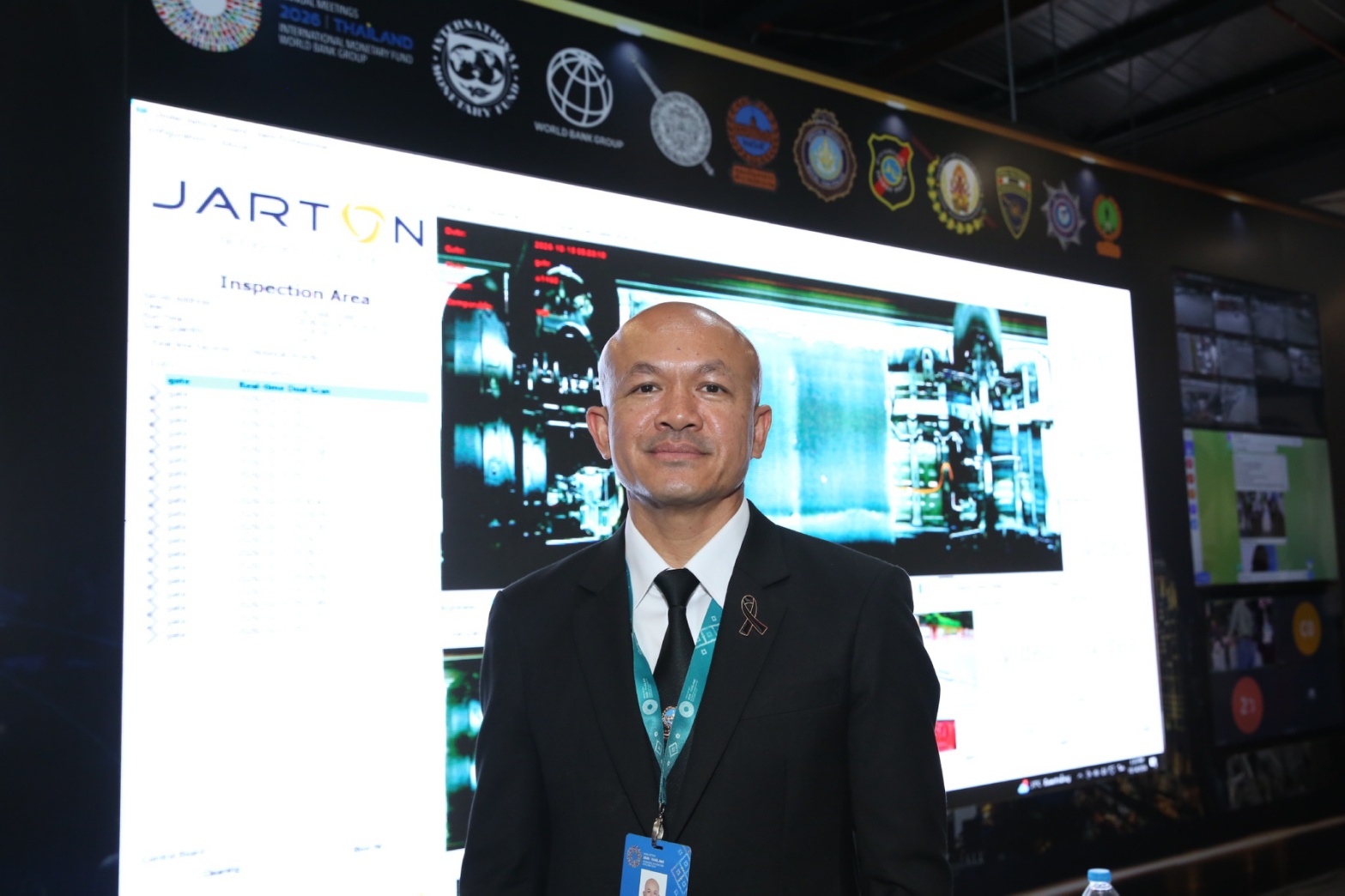
Pol Col Anan Wongkham, an Investigation Superintendent serving on assignment with MPD Division 5 and Secretary of the Command and Control Operations Centre (War Room) at the Tobacco Museum for the Annual Meetings 2026 mission, who has been involved in planning the CCOC command center from the outset, said preparations for the CCOC prioritized clearly defining the roles of each agency, managing and integrating information to enable joint situational assessments, and coordinating between the command center and field officers. These arrangements would ensure that information could be relayed and operational activities supported continuously.
Such preparations would help all parties carry out their duties in a coordinated manner, while allowing the experience gained to be applied to future international meetings.