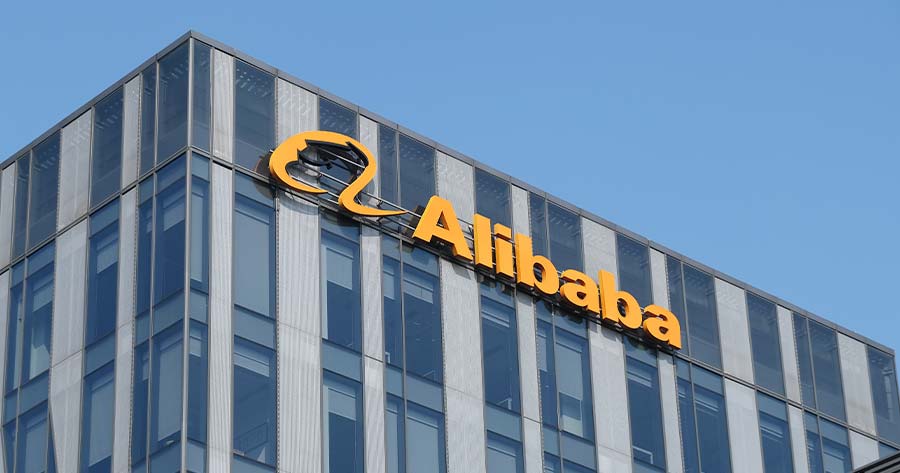
Depositary receipts for Alibaba, traded on the Stock Exchange of Thailand under the ticker BABA80, advanced by 1.7% to THB 5.85 per share on Friday. The gains tracked a rally in Alibaba shares listed in Hong Kong, which closed 2.73% higher, while the company’s US-based ADR surged 5.26%.
The uptick came after reports indicated that Chinese authorities may soon permit imports of Nvidia’s H200 chips, a move expected as early as this quarter. Sources familiar with the matter told Reuters that local Chinese companies could be authorized to buy the H200 for certain commercial uses. However, these chips will remain off-limits for deployment within the military, sensitive government branches, critical infrastructure, and state-owned enterprises due to security concerns.
The same sources pointed out that these rules are consistent with earlier policies restricting foreign technology, which have also impacted devices from Apple and Micron Technology.
At present, questions remain around how expansively Chinese regulators will define “critical infrastructure.” Large technology companies such as Alibaba and Baidu routinely supply cloud services to both state-run entities and government agencies—a practice also seen with leading US technology firms like Amazon and Microsoft, according to the report.
The allowance to purchase these AI chips should assist Chinese tech firms in enhancing their AI models as they continue to compete against global leaders like OpenAI. The H200 is categorized as an older product, and the Trump administration has allowed its export to China. US authorities, however, maintain strict controls on more advanced chipsets due to national security risks.
Alibaba remains the leading investor among Chinese internet giants in developing AI-powered businesses. Securing additional chip resources is likely to strengthen Alibaba’s cloud computing segment. The development could provide support for the company’s shares, which have retreated more than 20% since an early October peak as the market frets over challenges in the company’s e-commerce operations and ongoing regulatory scrutiny from Beijing over its live-streaming business.