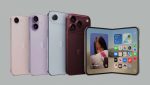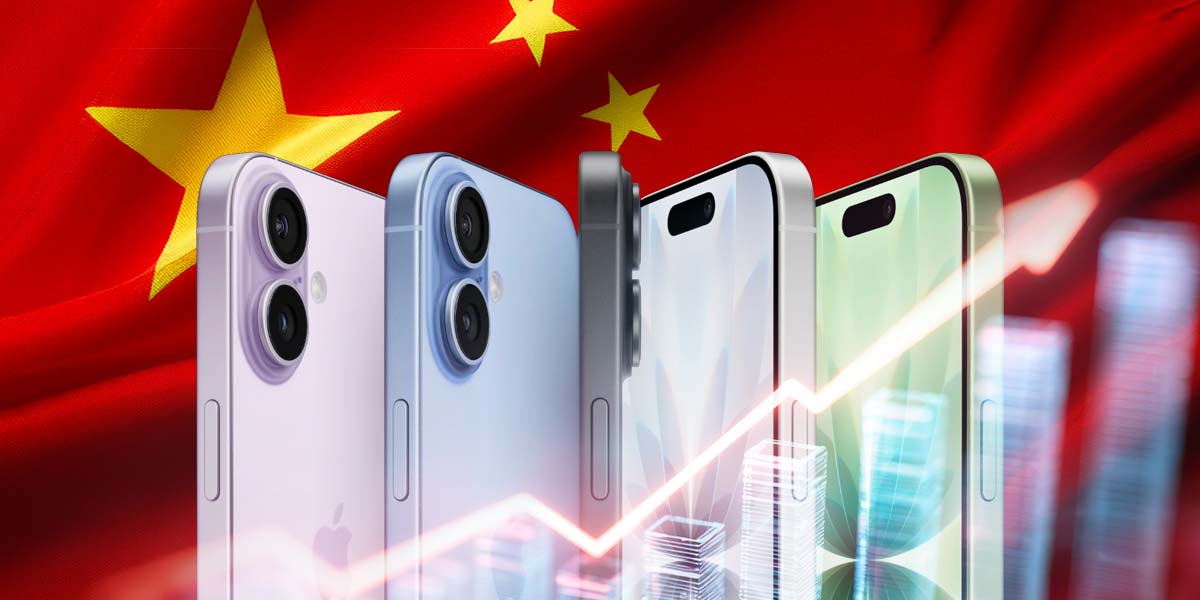
Apple regained its status as the leading smartphone vendor in China during the holiday quarter, with iPhone shipments increasing by 28% year-on-year, according to data from Counterpoint Research. This occurred even as the broader Chinese smartphone market contracted by approximately 1.6%, highlighting Apple’s strong performance relative to its competitors.
Apple models represented about 20% of all smartphones shipped in China during the quarter. The company’s growth contrasted sharply with declines at Huawei and Xiaomi, both of which saw double-digit percentage drops in shipments over the same period.
For the entire year, Apple and Huawei each ended with approximately 17% market share in China, with Apple narrowly trailing Huawei. Overall, iPhone shipments in China rose by 7.5% in 2025, largely offsetting weakness from the underperforming iPhone Air through steady demand for key models.
The gains for Apple were achieved despite ongoing supply constraints in memory chips, a result of component manufacturers prioritizing production for high-end memory used in Nvidia’s artificial intelligence products. The shortage has pushed up memory prices and created challenges for smaller device makers.
Companies such as Micron have highlighted rising uncertainty caused by the shortfall in memory semiconductors needed for data storage in electronic devices. While this has had a widespread effect, Taiwan Semiconductor Manufacturing Co observed last week that more expensive smartphones have been largely insulated from supply disruptions. Apple’s premium lineup has therefore been less affected by these constraints, supporting its performance in the high-end segment.
Analysts anticipate that further increases in memory chip costs expected in early 2026 could continue to benefit brands specializing in higher-end devices, a segment where Apple’s strength remains evident.