
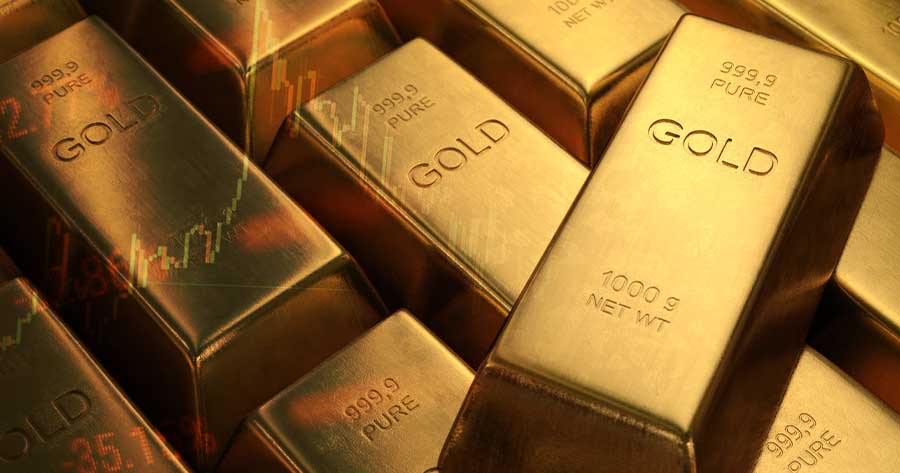
Today, as of 12:59 P.M. (GMT+7), spot gold has reached a new record high of $5,261.82 per ounce, increasing by 1.40%, or $72.87. Analysts from Pi Securities stated that gold prices have surged dramatically since 2025, with prices rising over 65% throughout the year.
This reflects global macroeconomic factors, which have become increasingly uncertain. One significant driver is the return of Donald Trump as President of the United States, which has notably influenced the direction of economic and international trade policies.
Pi analysts noted that Trump’s administration style is markedly different from that of the Democratic government, especially through the use of tariff and trade policies to pressure trading partners. This led market participants to renew concerns about trade wars.
Although trade tensions somewhat eased toward the end of 2025, entering 2026 brought new uncertainties, including the Venezuela issue, the U.S. influence expansion ideology, and, most recently, Trump’s threat to raise import tariffs on Canadian goods after Canada lowered tariffs on Chinese electric vehicles. Even the news itself was enough to undermine market confidence.
Tensions still persist in other global regions, whether in the Russia–Ukraine situation or conflicts in the Middle East, resulting in a global environment that is far from truly peaceful. Under such conditions, gold continues to be viewed as a safe-haven asset, and a refuge for investors during periods when global risks remain elevated.
Supporting factors for gold prices also include the weakening trend of the U.S. dollar, a result of both Trump’s policies and signals of interest rate cuts from the Federal Reserve (Fed). Additionally, central banks in many countries are gradually increasing gold reserves to lessen dependence on the dollar.
When combined with the issue of U.S. public debt levels, analysts assess that the current gold price surge is not a short-term momentum play, but derives from the persistent global uncertainties and strong reasons for long-term holding.