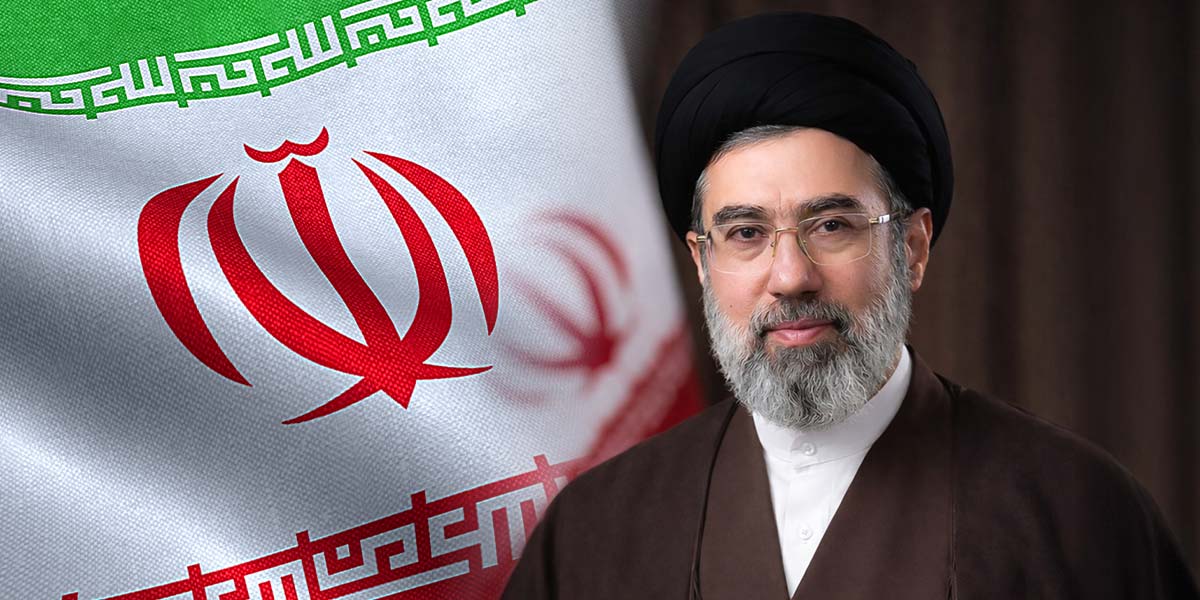
Iran has appointed Mojtaba Khamenei as its new supreme leader following the death of his father, Ayatollah Ali Khamenei, during the ongoing conflict with the U.S. and Israel. The decision comes at a time when hostilities have driven oil prices above $100 per barrel, signaling sustained influence by hardline factions in Tehran.
Mojtaba Khamenei, a 56-year-old cleric with established links to the Revolutionary Guard, was selected by Iran’s Assembly of Experts to lead the country’s theocratic regime. His appointment follows a week of military exchanges, with Iranian forces targeting Israel and Gulf Arab countries using missiles and drones, after former Supreme Leader Ali Khamenei was killed during the initial phase of the hostilities on February 28.
The announcement came amid public criticisms from certain Iranian political circles, who voiced concerns about the leadership transition proceeding on a hereditary basis. They compared it to the monarchical system dismantled in the 1979 revolution. Despite this, prominent members of the Assembly of Experts appeared to favor continuity and a hardline approach under Mojtaba’s authority, especially as Iran remains engaged in conflict.
Mojtaba has remained largely out of the public eye since the current violence began, though speculation over his candidacy intensified before and after the death of his father. He has never held an elected or official state role despite being regarded as a potential successor for years.
Ahead of the leadership transition, Israeli officials raised the prospect of targeting whoever was chosen as the new supreme leader. Meanwhile, U.S. President Donald Trump expressed disapproval of the selection process, stating that Washington ought to play a role in determining Iran’s leadership.
As Iran’s new supreme leader, Mojtaba will hold command over the nation’s military and oversee strategic decisions including those related to its nuclear agenda.
With Mojtaba now formally installed as supreme leader, hardline policies are expected to continue as the conflict persists and oil prices remain elevated.