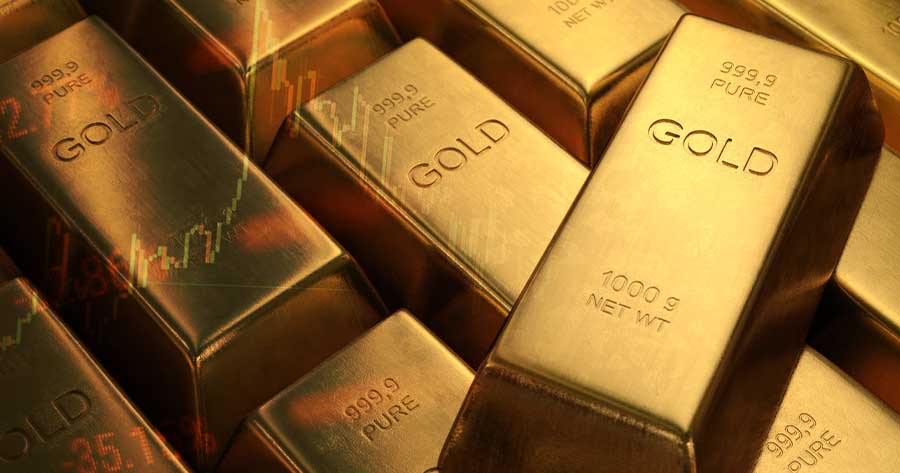
Gold prices dropped sharply on Monday, falling more than 7% to 4,154.48 per ounce and erasing all gains made earlier in 2026 as the conflict between the U.S., Israel, and Iran triggered inflation concerns and tempered expectations of near-term interest rate reductions.
The decline in gold coincided with continued volatility in broader financial markets. Crude oil traded near its highest levels since mid-2022, and equities experienced significant fluctuations. The ongoing war in the Middle East has fueled energy price increases. This environment has made investors more cautious about the outlook for central bank interest rate cuts, particularly from the U.S. Federal Reserve.
Market participants have engaged in forced selling of gold to offset losses in other assets over the last three weeks, intensifying downward pressure on the metal, which closed out the previous year at $4,319.37 an ounce.
The situation escalated over the weekend when U.S. President Donald Trump gave Iran a two-day ultimatum to reopen the Strait of Hormuz, warning of attacks on Iranian power infrastructure if demands were not met.
Iran responded by threatening the complete closure of the strategic passage and potential strikes on regional energy and utility systems if attacked. These developments have kept geopolitical risks elevated but have not provided the traditional safe-haven support for gold.
Analysts highlighted that gold’s price action aligns with previous economic shocks. For example, after initial declines in 2008, 2020, and 2022, the metal eventually staged longer-term rallies. Data as of March 17 showed that hedge funds and large speculative investors had increased their net-long positions in gold to a seven-week high.
OCBC analysts noted that while short-term risks remain elevated, longer-term support for gold persists, suggesting prices could recover once pressures subside.