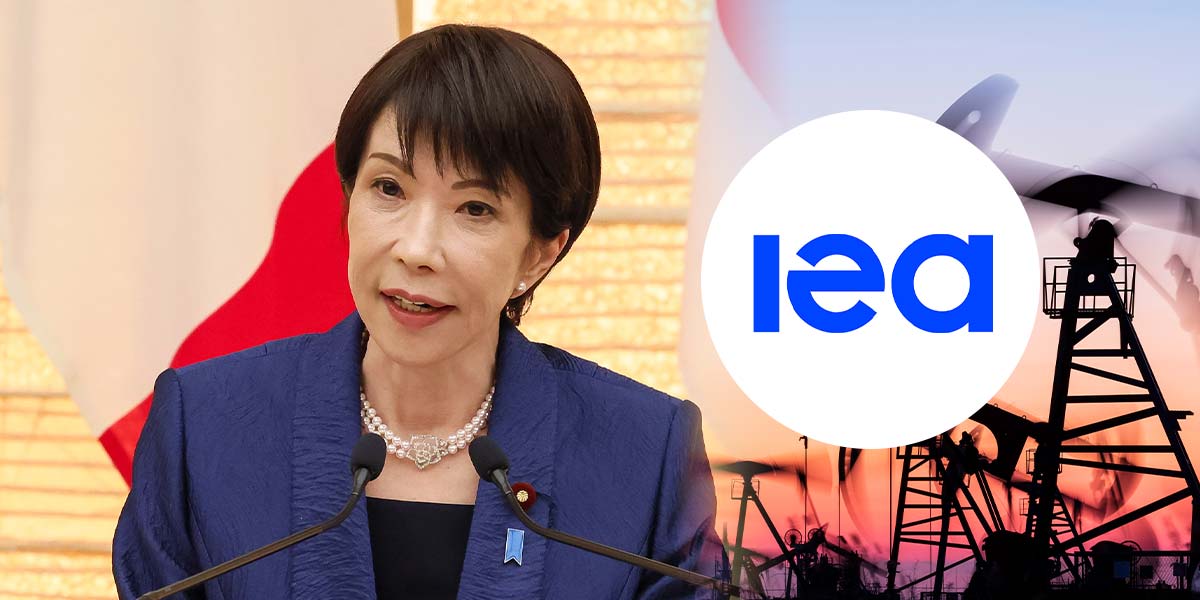
Japanese Prime Minister Sanae Takaichi requested that the International Energy Agency (IEA) organize further coordinated releases of oil reserves during a meeting with IEA Executive Director Fatih Birol in Tokyo on Wednesday.
The request comes as Japan seeks to address potential supply challenges linked to an ongoing blockage of the Strait of Hormuz, a vital route for global oil shipments, amid continued conflict in the Middle East.
At the meeting held at the prime minister’s office, Takaichi pressed for additional measures to ensure stable energy supplies and manage oil prices, highlighting concerns over Iran’s actions effectively halting transit through the Strait of Hormuz in the context of its ongoing conflict with the United States and Israel.
In response to supply uncertainties, Japan has already agreed with the IEA to participate in the unprecedented joint release of oil stockpiles to offset losses from the Middle East, and has announced plans to utilize joint reserves managed alongside oil-producing countries.
Birol acknowledged the global energy sector is currently under significant strain and described the threat to energy security as severe. Both officials committed to enhancing coordination between Japan and the IEA.
Separately, while in Australia before attending a Group of Seven meeting, Birol noted that the IEA is in discussions with governments in both Asia and Europe regarding the option of further releasing oil reserves if the conflict in Iran continues disrupting supplies. According to Birol, the joint release agreed on March 11 accounted for 400 million barrels, representing just 20% of the oil and oil product stocks available to IEA member countries.
Meanwhile, Hitoshi Nagasawa, the chairman of the Japan Shipowners’ Association and head of NYK Group, reported that 45 ships connected to Japan remain unable to depart the Gulf region due to the continued closure of the Strait of Hormuz.