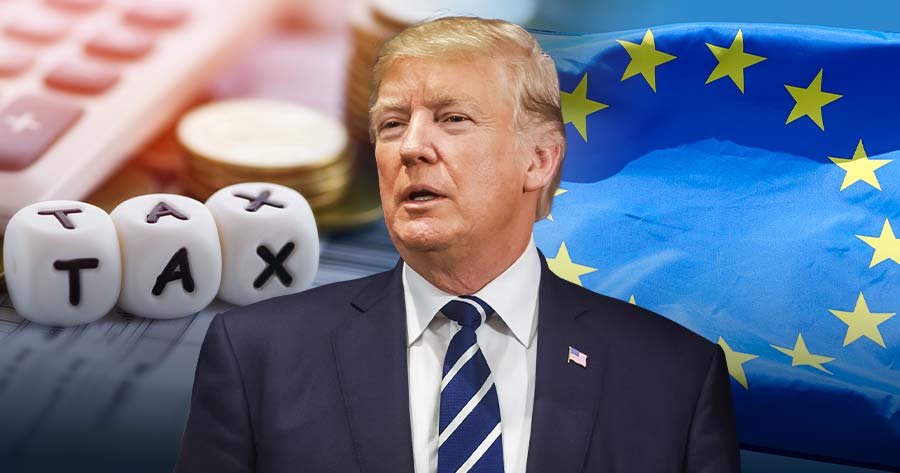
U.S. President Donald Trump has decided to increase tariffs on cars and trucks imported from the European Union, boosting the rate from 15% to 25%. The new rate, announced through social media, will come into effect next week.
The administration attributed the tariff hike to alleged failures by the EU to meet commitments from a trade agreement reached last summer. According to the President, the tariff increase is expected to significantly increase U.S. revenue and encourage faster relocation of European automaking to American facilities. Vehicles manufactured in the United States would continue to be exempt.
European leaders quickly disputed the U.S. claims, asserting their ongoing commitment to the agreement through regular legislative steps. Bernd Lange, who heads the European Parliament’s international trade committee, reported that required legislation is advancing and should be completed by June. He criticized the reliability of the U.S. as a negotiating partner, referencing earlier disputes over steel and aluminium agreements.
Bilateral relations have been strained by several recent disagreements, including conflicts over Iran policy, Europe’s reluctance to join U.S.-led maritime missions, and a diplomatic controversy involving Trump’s proposal to purchase Greenland. The European Parliament earlier suspended progress on the trade deal in January due to these accumulating tensions.
The announcement of higher tariffs caused share prices of major automakers—including Ford, Stellantis, and General Motors—to fall. European officials responded by warning that appropriate measures would be considered to safeguard European interests, indicating that retaliatory tariffs remain an option. While certain past tariffs were recently declared illegal by the Supreme Court, the current auto duties are proceeding under distinct legal authority and remain in effect.