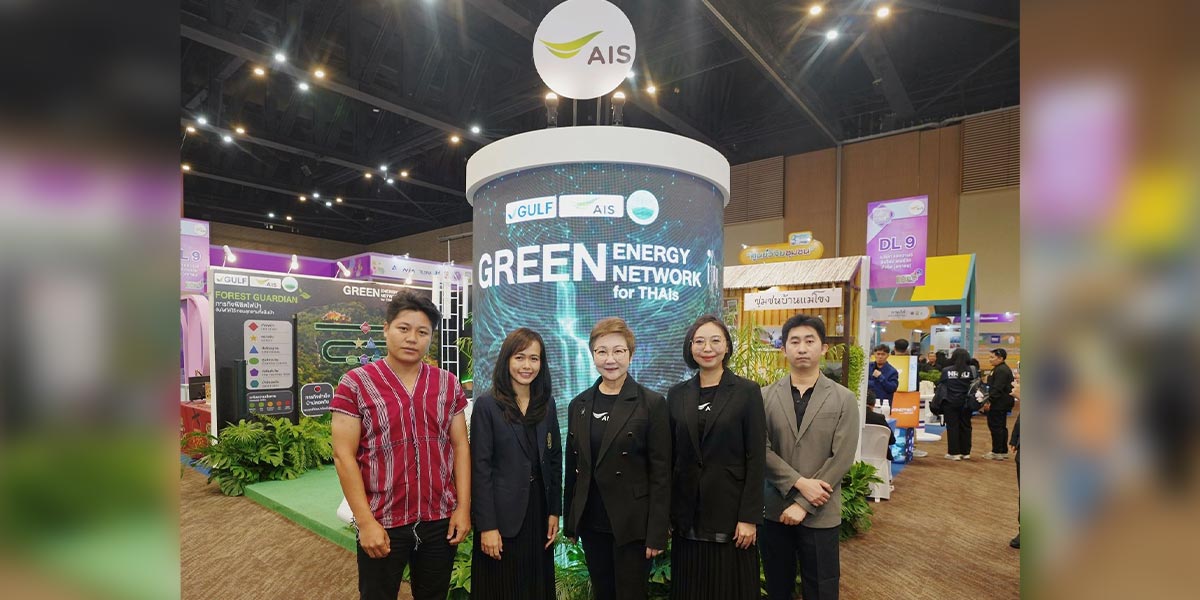
AIS has revealed the findings of its latest Social Return on Investment (SROI) study for the Green Energy Green Network for THAIs project at Thailand Research Expo 2026, organized by the National Research Council of Thailand (NRCT) under the Ministry of Higher Education, Science, Research and Innovation (MHESI). The study found that the project generated a total social impact value of THB 33.88 million from an investment of THB 24.89 million, representing a social return of 1.36 times the investment. The findings underscore how digital infrastructure and clean energy can create measurable economic, social, and quality-of-life benefits for underserved communities.

Green Energy Green Network for THAIs is a collaborative initiative between Advanced Info Service Public Company Limited (SET: ADVANC) or AIS, Gulf Development Public Company Limited (SET: GULF), and the Highland Research and Development Institute (Public Organization) (HRDI). The project deploys solar-powered telecommunications base stations in remote areas to address the lack of access to energy and communication infrastructure while creating what AIS calls an “Infrastructure of Opportunity” for local communities. To systematically assess the project’s long-term impact, the partners have continuously conducted SROI research to evaluate outcomes and inform future development strategies.
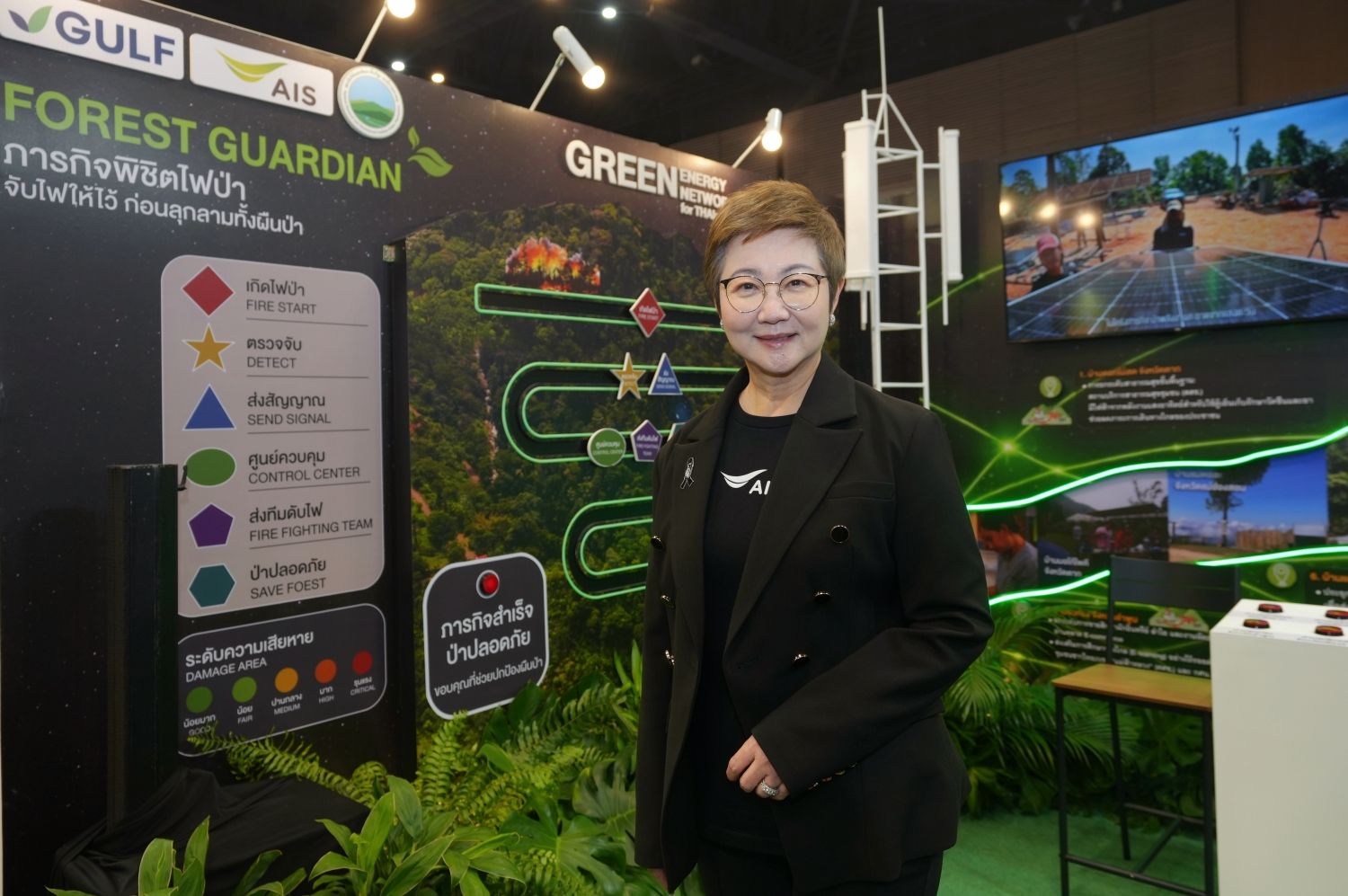
Ms. Saichon Submakudom, Chief Corporate Communication Officer, AIS, said, “Throughout the implementation of the Green Energy Green Network for THAIs project with our partners, we have witnessed meaningful changes across many communities. Areas that once lacked both electricity and connectivity now have access to education, healthcare services, and opportunities to generate income through digital technology.
Today, research findings have helped validate what we have long believed—that digital infrastructure and clean energy do more than provide connectivity; they create opportunities and improve people’s quality of life. The SROI study found that the project currently covers eight communities across five provinces—Chiang Mai, Chiang Rai, Mae Hong Son, Lamphun, and Tak—benefiting more than 3,520 people from 918 households. The project has delivered benefits across multiple dimensions, including education, healthcare, community economic development, and environmental sustainability.”

One notable example is Ban Mae Khong community in Chiang Mai, where digital connectivity has enabled local residents to promote Huai Nam Yen Waterfall through online channels, transforming it into an eco-tourism destination that has generated more than THB 2.5 million within few months in economic value for the community. The case demonstrates how digital infrastructure can transform connectivity into opportunity. Meanwhile, residents of Mokopoki community in Tak Province have leveraged digital technology to market agricultural products online, creating new income streams and overcoming geographical barriers that previously limited economic opportunities.
Beyond economic benefits, communities now have access to e-learning platforms, digital libraries, telemedicine services, and emergency medical referrals. The project also supports wildfire monitoring, disaster alerts, and emergency response capabilities in remote areas, further demonstrating the broader societal benefits enabled by access to reliable communications and energy infrastructure.
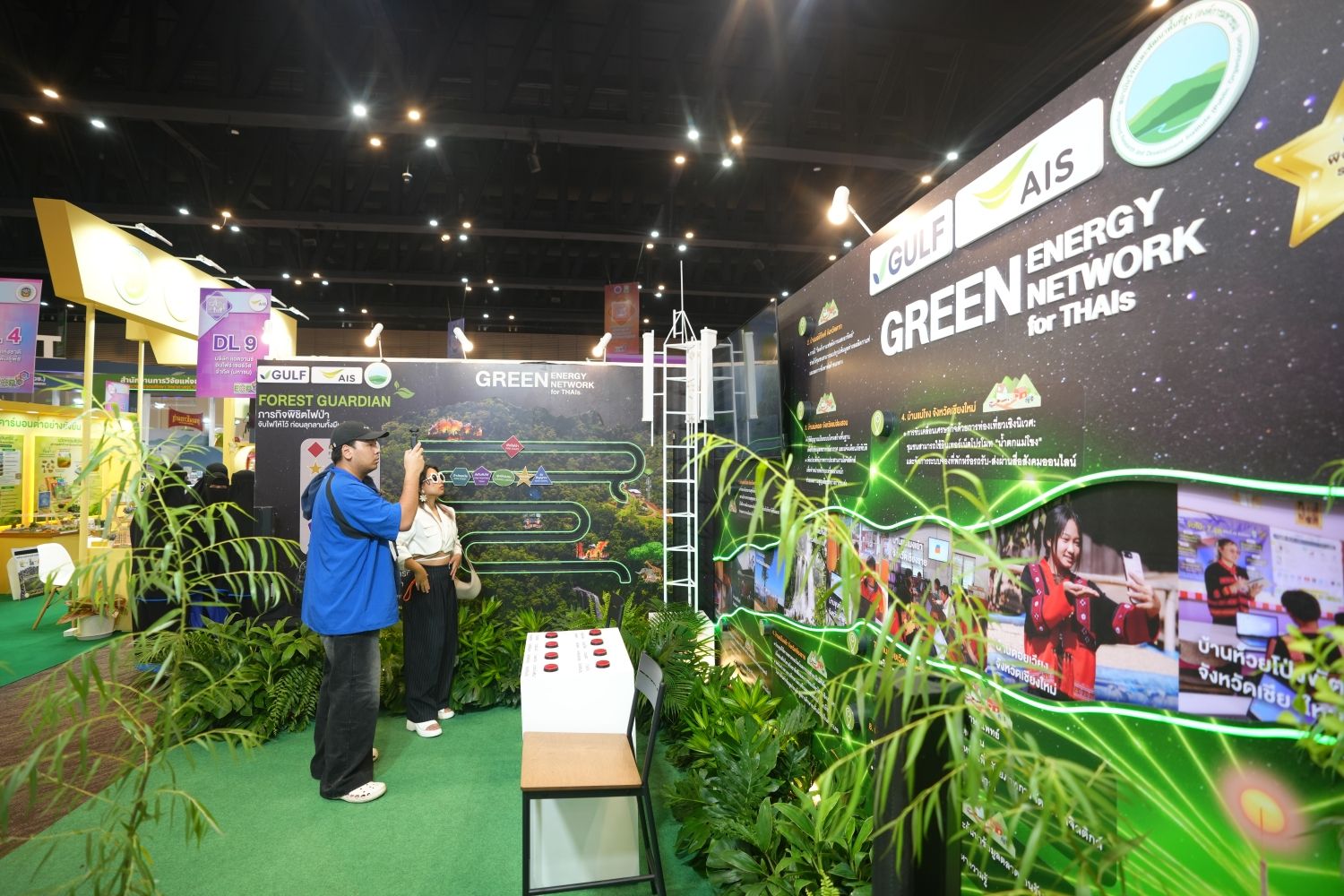
Building on insights gained from both the research and field implementation, AIS is exploring new ways to maximize the value of telecommunications infrastructure. Future initiatives include utilizing mobile network towers as platforms for environmental and disaster monitoring systems, such as AI-powered wildfire detection solutions, real-time anomaly alert systems, and meteorological monitoring equipment. These technologies could support the monitoring of weather conditions, PM2.5 dispersion, and drought risks, while contributing to more effective environmental management and disaster preparedness.
“The findings do not merely reflect a social return figure; they demonstrate how investments in digital infrastructure and clean energy can create meaningful change in people’s lives—from improving access to education and healthcare to creating economic opportunities and strengthening community resilience,” Ms. Saichon added. “For AIS, success is not measured solely by the reach of a network signal. It is measured by the opportunities created, the lives improved, and the brighter futures made possible. When everyone has equal access to opportunities, that is where sustainable national development truly begins.”
AIS remains committed to leveraging research, innovation, and technology to drive inclusive and sustainable social development. The company believes that meaningful sustainability starts not only with technology, but with a deep understanding of social challenges, strong cross-sector collaboration, and the ability to transform knowledge into tangible outcomes that improve people’s lives. Through this commitment, digital infrastructure becomes more than connectivity—it becomes a pathway to opportunity, better quality of life, and a more sustainable future for all Thais.