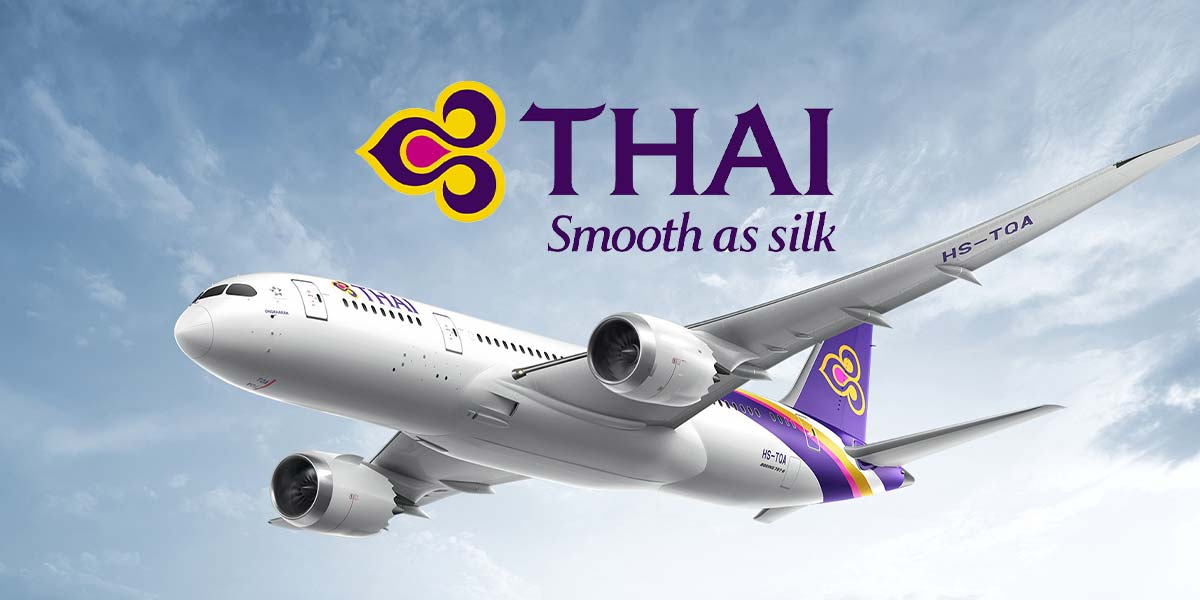
Thai Airways International Public Company Limited (SET: THAI) reported a resilient 8.5% year-on-year increase in total operating revenue to THB 48,621 million for the second quarter of 2026, though surging energy prices weighed heavily on the bottom line. Net profit for the period landed at THB 1,537 million, representing an 87.3% decline from the previous year’s high base as the carrier grappled with a doubling of jet fuel costs. While the results reflect significant external pressures, the airline maintained positive operational momentum through aggressive yield management.
Key Financial Highlights:
- Total Revenue: THB 48,621 million (+8.5% YoY).
- Net Profit: THB 1,537 million (-87.3% YoY).
- EBITDA: THB 8,182 million (-39.0% YoY).
- Cash Position: THB 70,864 million.
The core passenger segment saw revenue rise 6.7% to THB 38,574 million. Management strategically reduced capacity, with Available Seat Kilometers (ASK) falling 4.4% to 16,778 million, largely due to route suspensions and flight frequency reductions in response to Middle East unrest. This tactical shift resulted in a cabin factor of 71.5%, compared to 77.0% in the prior-year period. However, pricing power remained exceptional; average passenger yields jumped 20.3% to THB 3.20 per RPK. In the cargo division, results were bolstered by a freight load factor improvement to 53.8%, helping drive a 28.2% surge in freight and mail revenue.
The quarter’s primary headwind was a 104.6% spike in average jet fuel prices, which pushed total fuel expenses up by 72.6% to THB 19,462 million. Consequently, core operating profit (excluding one-time items) fell 63.7% to THB 3,691 million. The bottom line was slightly bolstered by THB 335 million in net one-time items, including gains from aircraft lease modifications and asset sales, which helped mitigate foreign exchange losses and asset impairments.
THAI maintains a robust liquidity profile with cash and equivalents standing at THB 70,864 million. The company reported a profit per share of THB 0.05. Debt management showed steady progress, with the total debt-to-equity ratio improving to 2.94 times.
Looking ahead, management is pivoting toward an aggressive long-term growth phase, announcing a THB 120 billion five-year capital expenditure plan. The strategy centers on modernizing the fleet with Boeing 787 Dreamliners, targeting a total of 150 operational aircraft by 2033 to enhance competitiveness and fuel efficiency.