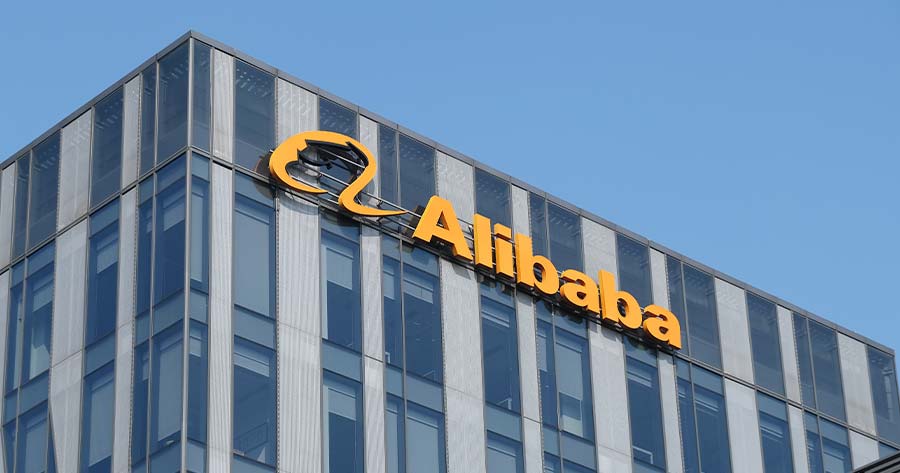
Shares of Alibaba Group Holding gained as much as 2.8% in the morning session of Tuesday on the Hang Seng Index, following the report that the company has reached an agreement to sell its entire stake in Lingxi Games to private equity firm Trustar Capital, marking a move to concentrate on its primary sectors of e-commerce and artificial intelligence.
The pending transaction, revealed in an internal letter on Monday, will see Alibaba transfer full ownership of Lingxi Games to Trustar. While financial terms and a timeline for completion were not disclosed in the memo, a source cited by Reuters indicated the company expects proceeds exceeding $2 billion from the deal.
Lingxi CEO Zhou Bingshu informed staff that the divestment aligns with Alibaba’s broader plan to clarify its strategic direction. Following the sale, Zhou and the existing management team are set to remain in place under Trustar’s ownership.
Founded as a brand in 2019 after Alibaba acquired Ejoy in 2017, Lingxi Games has grown from Alibaba’s earlier gaming initiatives and established itself as one of the group’s more successful ventures. The company, based in Guangzhou, produces well-known titles such as “Three Kingdoms: Strategy Edition,” which it co-developed with Koei Tecmo of Japan.
Trustar Capital, the buyout investment arm of Citic Capital, has recently been active in high-profile transactions, including investments in McDonald’s China and the privatization of Energy Monster.
This sale comes after Alibaba’s other divestitures in non-core areas, including its stakes in Sun Art Retail and Intime Retail, as the company intensifies its efforts in cloud computing and AI. In its most recent quarter, Alibaba’s Cloud Intelligence Group reported revenue of CNY 41.63 billion, representing a 38% increase year-on-year. Sales of AI-related products have grown at triple-digit rates for 11 consecutive quarters, with Alibaba targeting $100 billion in annual revenue from cloud and AI within five years.
Chinese tech companies have increasingly redirected focus towards core segments, with industry counterparts such as ByteDance also divesting gaming assets. Earlier this year, ByteDance sold its studio Moonton to Savvy Games Group for over $6 billion.