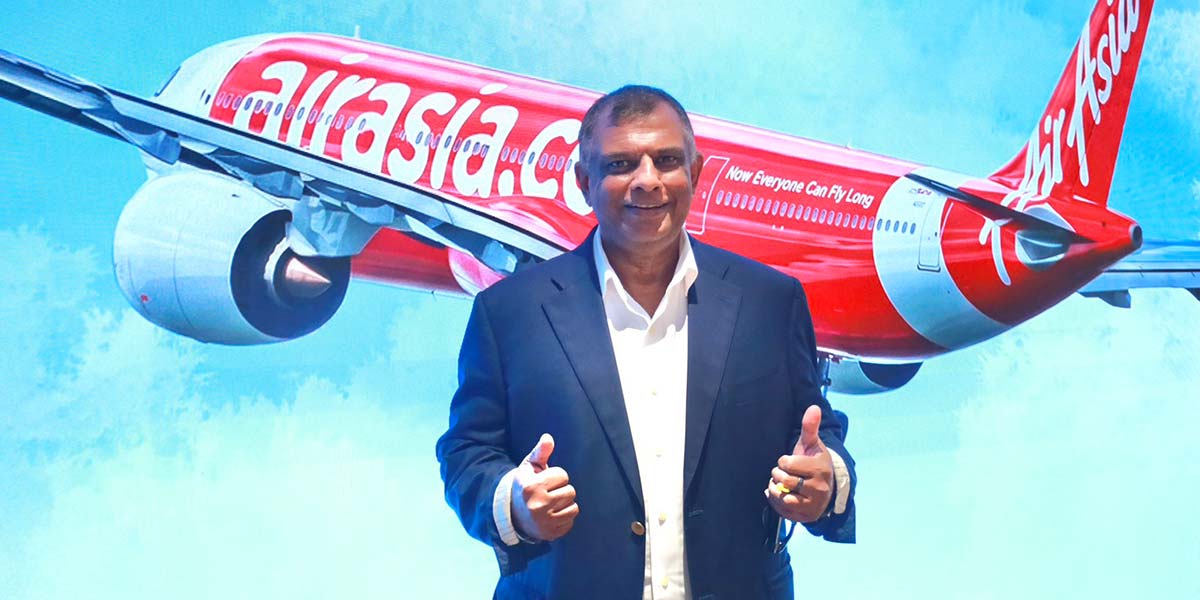
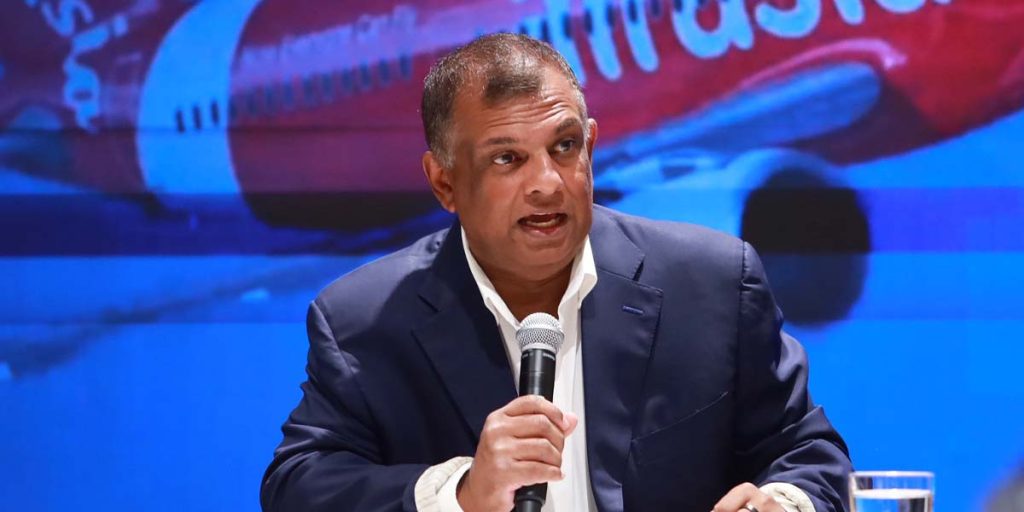
In a direct response to recent media reports alleging financial strain, AirAsia co-founder and Capital A Chief Executive Officer Tony Fernandes held a press conference in Bangkok on Friday, September 18, 2026, to reassure investors, passengers, and industry partners. Addressing the operational and financial standing of the low-cost carrier, Fernandes firmly dismissed reports of an impending crisis, pointing to strong travel demand, improving operational metrics, and proactive debt refinancing initiatives.
Reflecting on the airline’s historical resilience, Fernandes emphasized that COVID-19 was the toughest crisis in civil aviation history, spanning four full years. By contrast, he framed recent geopolitical conflict and volatile oil prices as manageable, short-term operational adjustments rather than structural threats. Unlike many global competitors that received state financial support, AirAsia operated without government bailouts or subsidies, relying on internal restructuring and strict cash preservation.
Highlighting the carrier’s financial discipline, Fernandes stated: “we are good at managing cash and strong in liquidity”.
Operationally, AirAsia is entering the final phase of reactivating its grounded aircraft. Out of 250 planes, only a few remain in maintenance, with all aircraft expected to be fully operational by October before moving into standard C-Check maintenance cycles.
Key operational indicators demonstrate a sharp recovery across the network:
- On-Time Performance (OTP): Improved significantly from 67% in January to 86% in August.
- Average Load Factor: Maintained at a healthy 82% across active routes.
- Travel Demand: Passenger appetite remains robust, supported by strong forward seat sales heading into the second half of the year.
Fernandes explicitly reaffirmed that no aircraft have been grounded or repossessed due to non-payment, debunking rumors regarding fleet instability. He added that his high-level source confirmed that there was no government discussion with other operators, countering the earlier report.
The co-founder also directly refuted reports claiming the company faced a $3 billion deficit, clarifying that AirAsia’s ongoing $1 billion fundraising plan is more than enough to meet its needs. The exercise is intended to refinance high-interest loans.
The fundraising is targeted for completion by December or January. While a Middle Eastern creditor has submitted a term sheet, Fernandes noted that the company still hopes to secure backing from local financial institutions.
Addressing concerns over the group’s RM18.7 billion in reported liabilities, Fernandes explained that the vast majority—around RM13 billion—consists of long-term aircraft lease commitments capitalized over 12 to 20 years under modern accounting rules, rather than immediate short-term debt.
Explaining second-quarter results, Fernandes noted that margins were temporarily squeezed because tickets pre-sold at lower fuel price baselines could not instantly absorb the sharp spike in jet fuel costs. However, performance in the third and fourth quarters is rebounding as airfares increase by over 20% to align with fuel expenses.
Concluding his remarks, Fernandes expressed total confidence in AirAsia’s outlook, assuring stakeholders that backed by robust performance and strong market demand, there is zero chance of anything happening with the airline.