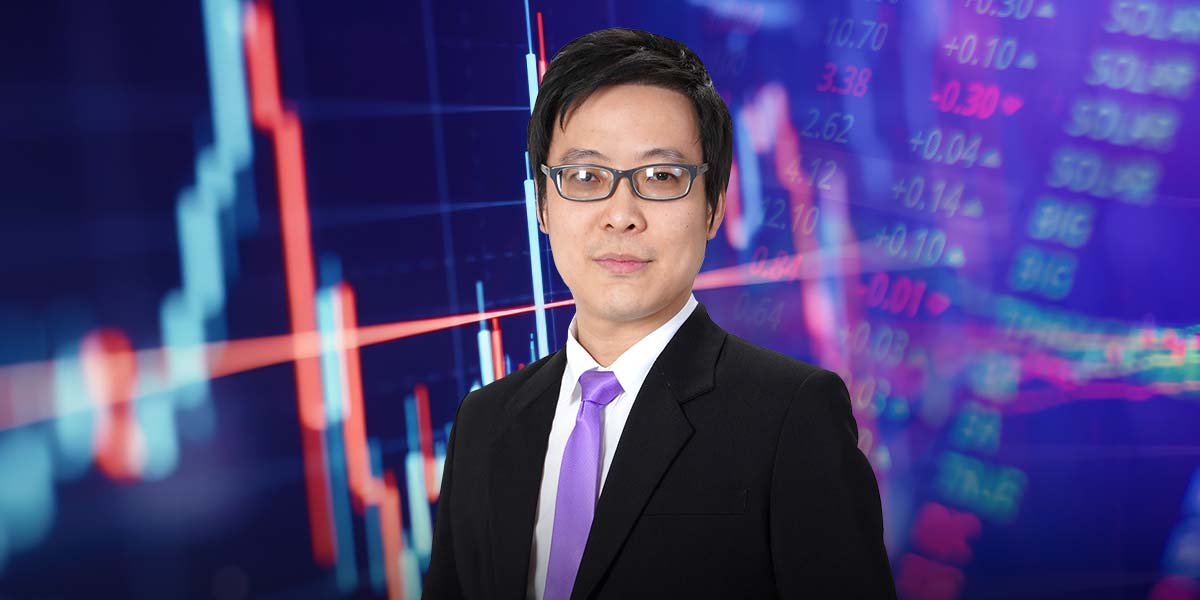
Mr. Pobchai Phatrawit, Equity and Digital Asset Strategist at InnovestX Securities, stated on the ‘Kaohoon’ program on October 12 that the Thai stock market is expected to move in a sideways-up trend. Despite ongoing external risk factors, the market is being supported in the short term as Thailand hosts the 2026 IMF-World Bank Annual Meetings—seen as significant opportunities to showcase the nation’s economic potential and build confidence among foreign investors.
Mr. Pobchai believes that the meetings could prompt the IMF and World Bank to adopt a more positive outlook on the Thai economy, possibly leading to upward revisions in their economic forecasts. This optimism is fueled by Thailand’s growing involvement in digital industry supply chains, artificial intelligence, data centers, and clean energy—sectors viewed as new engines of economic growth for the country.
The number of participants and stakeholders in the meetings is estimated at 10,000 to 15,000 individuals, with average daily spending per person estimated at THB 10,000-15,000. This could inject THB 1–2 billion into the Thai economy, providing a short-term boost to businesses related to travel, accommodation, and retail.
In terms of stocks likely to benefit, Mr. Pobchai highlighted tourism and hotel companies such as ERW, CENTEL, and AOT, given the expectation of increased arrivals. He also pointed to retail and shopping center operators, notably CRC and CPN, which may benefit from higher spending by event participants and visitors.
As for the SET Index, Mr. Pobchai sees potential for an upward move to test resistance in the 1,590–1,600 point range. Nevertheless, investors are cautioned to watch for profit-taking toward the market close, given this week’s shorter trading period and the likelihood that some investors might reduce positions ahead of the holidays to manage risk.
Addressing the absence of U.S. Treasury Secretary Scott Bessent from the meetings, Mr. Pobchai suggested that the decision could relate to international relations and Thailand’s stance toward the BRICS group, which may raise some concerns for the market. Additionally, trade and diplomatic relations among Thailand, the U.S., and China remain relevant going forward.
However, he believes the market is placing limited weight on this issue, given that other senior international finance leaders are in attendance, lessening the potential impact on the meetings overall.
Elsewhere, Mr. Pobchai recommended closely monitoring global oil price movements, as the situation remains volatile. While tensions in the Middle East persist, there are some signs of easing in the Russia-Ukraine conflict, resulting in continued oil price fluctuations that could affect risk assets and equities in the short term.
Regarding foreign fund flows, daily trading value in the Thai stock market has dropped from previous levels of THB 70–90 billion to THB 50–60 billion, attributed partly to foreign investor selling and capital moving back into U.S. markets, as well as profit-taking in the region.
Mr. Pobchai expects trading volume on the Thai exchange to remain modest through mid- to late October, before regaining momentum in the following month with the start of listed companies’ earnings season and a possible increase in speculative activity.
Therefore, he advises investors not to necessarily buy during price rallies, but rather to wait for market and share price corrections before gradually accumulating positions, as late October to early November may provide more favorable investment opportunities.