
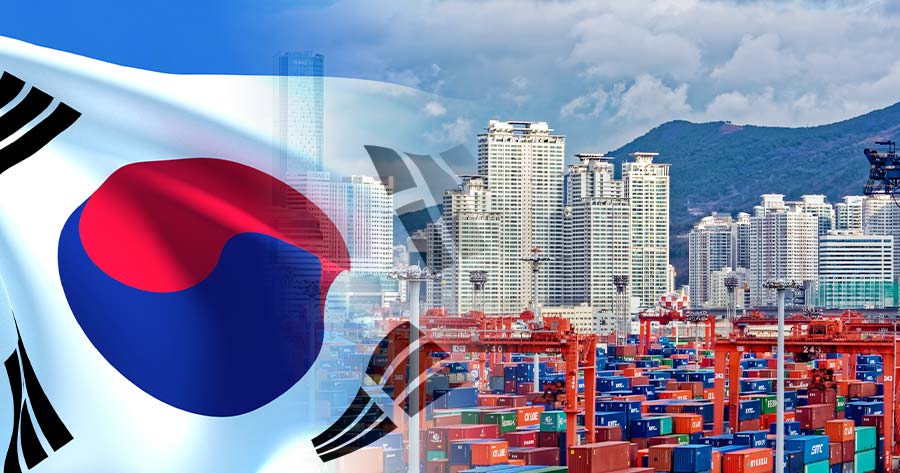
South Korea’s exports for the year topped $1 trillion on November 19, 2026, according to the announcement from the Ministry of Trade, Industry and Resources. A surge in chip sales helped lift shipments well beyond last year’s record of $709 billion, taking South Korea past a threshold previously reached only by Germany, the United States and China.
Chips accounted for 42.7% of the country’s exports in the first 10 months of the year. Buyers spent $397.7 billion on South Korean semiconductors over that period, nearly three times the $135.4 billion recorded in the same months last year.
The ministry stated that chips and computers were the biggest contributors to export growth as technology companies worldwide spent more on AI infrastructure. Higher prices for memory chips added to export earnings and strengthened South Korea’s role as a supplier to the AI industry, it said.
Last month, the finance minister forecast that record chip sales abroad would help lift economic growth into the mid-3% range this year, up from 1% last year. At home, however, demand is still weak, and many households have yet to benefit from the gains in overseas sales. High borrowing costs, elevated prices and unprecedented swings in the domestic stock market have weighed on consumer confidence.
President Lee Jae Myung said on X that sustaining growth would mean making established industries more competitive while developing sectors such as AI and biotechnology. His administration plans to channel surplus tax receipts from the chip boom into a proposed KRW 162.3 trillion Future Response Fund. The money would support emerging industries, young people, education and regional development.
The trade ministry cited several risks to export growth: fluctuating chip and petrochemical prices, increasingly protectionist policies in the United States and the European Union, and fiercer competition as global supply outstrips demand. It said the government would pursue closer trade ties and more consistent business conditions for domestic companies while supporting new industries.
Kang Kam-chan, deputy minister for trade and investment, expects demand from large technology companies building data centers to keep chip exports a source of strength for overall shipments at least through the third quarter of 2027.