

In late October 2026, the Thai government signaled a shift in platform regulation from short-term intervention to a dedicated long-term legal framework. Deputy Prime Minister and Minister of Commerce Suphajee Suthumpun announced a commission fee rollback with three major e-commerce platforms and convened state agencies to review existing laws, including reviving the draft Platform Economy Act.
Short-term measure: six-month rollback of mandatory fees
On 28 October 2026, the Ministry of Commerce announced that Shopee, TikTok Shop and Lazada agreed to revert their mandatory seller fees to the rates in effect on 1 January 2026. The rollback runs from 1 December 2026 to 31 May 2027. In parallel, the Trade Competition Commission of Thailand (TCCT) has acted to suspend GP fee increases for six months.
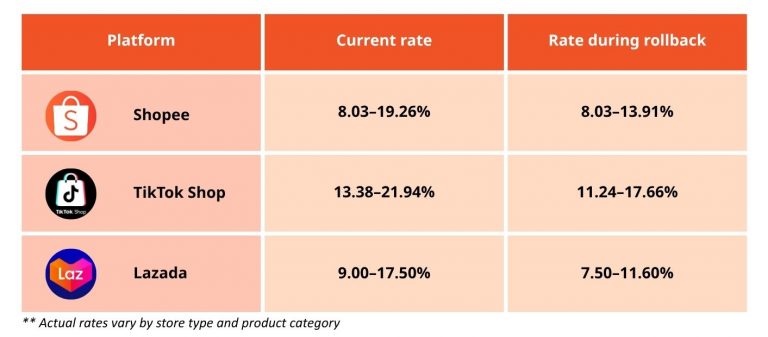
Notably, the rollback was negotiated through the Department of Internal Trade (DIT) , with the Minister acting as chair of the Central Committee on Prices of Goods and Services. It was not an order under Section 60 of the Trade Competition Act. The government is using several tools at once: competition law, price-control law and policy negotiation.
Long-term direction: legal review and a revived Platform Economy Act
The Deputy PM held a preliminary consultation with studying gaps in current laws and oversight with the Ministry of Commerce, the Ministry of Digital Economy and Society, ETDA, the Office of the Consumer Protection Board, the Ministry of Justice, the Office of the Council of State, the National Security Council and the Public Relations Department.
The Ministry of Commerce says it will use the six-month rollback period to gather input from sellers, platforms, regulators and consumers to refine the draft Act. ETDA, the TCCT and the Department of Internal Trade will coordinate. The Minister said future rules should cover price and fee structures, business conduct rules, trading practices and related standards, without placing unnecessary burdens on platforms.
New focus: ranking algorithms and paid visibility
The most significant competition-law signal is the government’s explicit focus on the algorithm’s platforms to rank and recommend products. The Minister accepted that buying advertising is a normal business practice. However, she questioned whether well-funded sellers gain an unfair edge in reaching customers, and whether current rules are enough to keep competition fair and transparent.
This mirrors platform regulation abroad, which targets ranking transparency, self-preferencing and the trading terms between platforms and sellers. The Minister stressed that the consultation is only an initial study, and no decision has been made on new measures or rules.
What does this mean for business
For platform operators:
-
- Fee changes will face closer scrutiny. Each change to fee structures or trading terms should come with a clear business rationale, adequate notice and supporting records.
- Algorithms and ad products may become regulatory issues. Review how well ranking criteria can be explained and how clearly organic results are separated from paid placements.
- Several regulators have overlapping powers. TCCT, the Department of Internal Trade, ETDA and the Consumer Protection Board all have a role. Strategy should cover all of them, not competition law alone.
- The next six months are a window to shape the rules. Input gathered in this period will feed into the draft Act, so early engagement helps the final rules reflect commercial reality.
For sellers and brands on platforms:
-
- Check that your store receives the rolled-back rates from 1 December 2026 and keep records of fee or term changes that affect your costs.
- Consider submitting views through trade associations or the SME council in the upcoming consultations.
The Competition & Antitrust team at Kudun and Partners is closely monitoring these developments. We advise on risk assessment, compliance and engagement with government agencies during the legislative process.
For more information, please get in touch with our Competition Practice, or alternatively, please contact the authors at [email protected], [email protected] or [email protected]