
Thai organizations will need more than new teams or protocols to defend against the speed, scale, and sophistication of cyber attacks involving AI tools, according to Google’s latest global threat report.
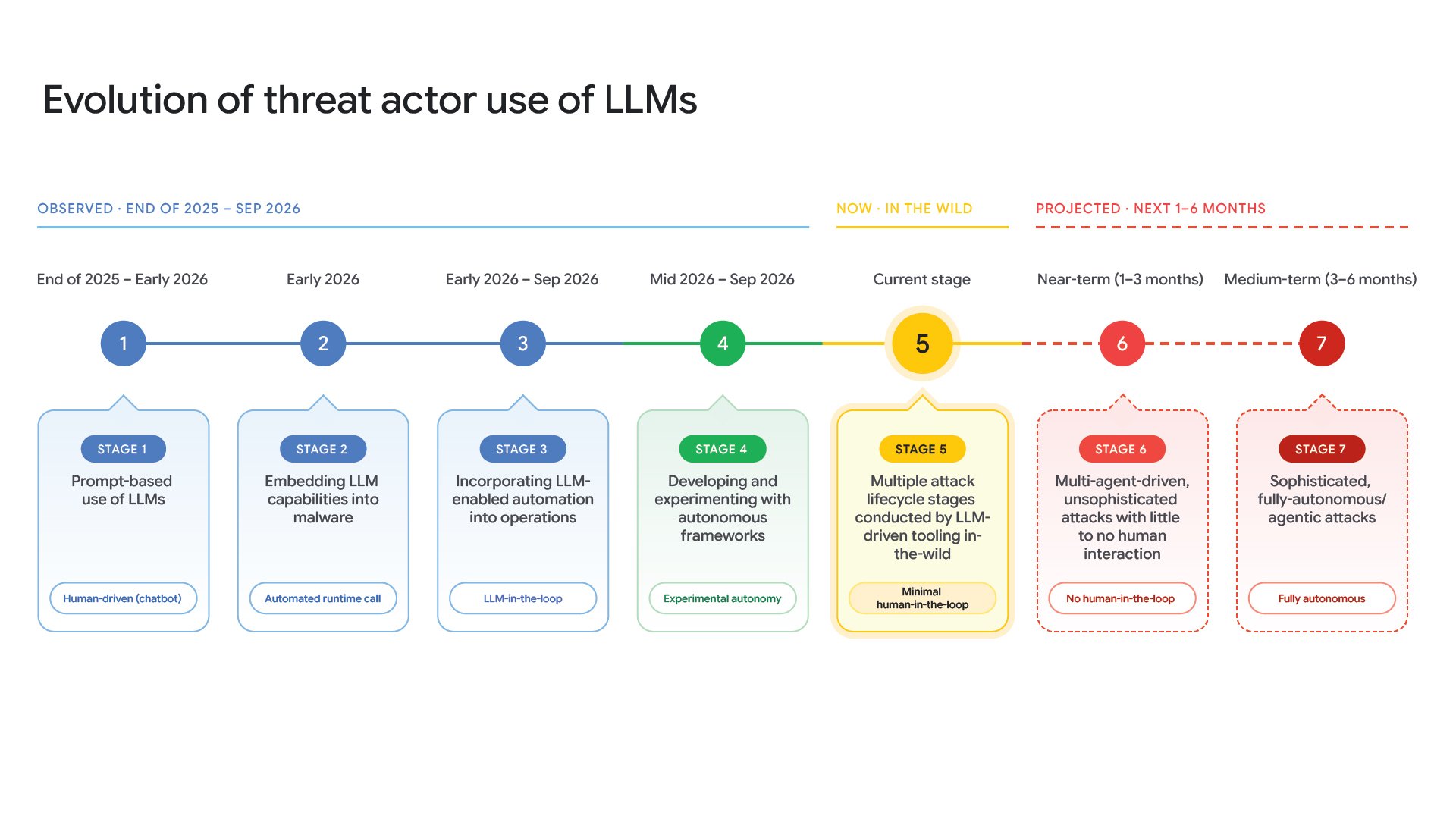
The Q4 2026 AI Threat Tracker found AI tools have made it easier for bad actors, even those with relatively low technical skills, to launch attacks much faster and in far greater numbers. These include several trends likely to affect Thai organizations:
- “LLMjacking”, where criminals use stolen logins to hijack an organization’s AI tools and sell access to them on the black market, leaving the business to foot the bill – as much as US$100,000 (THB3.3M) per day in some instances;
- Higher volumes of e-commerce fraud and identity theft, made possible by AI tools that allow anyone to quickly create sophisticated online scams in natural-sounding Thai with minimal technical skill;
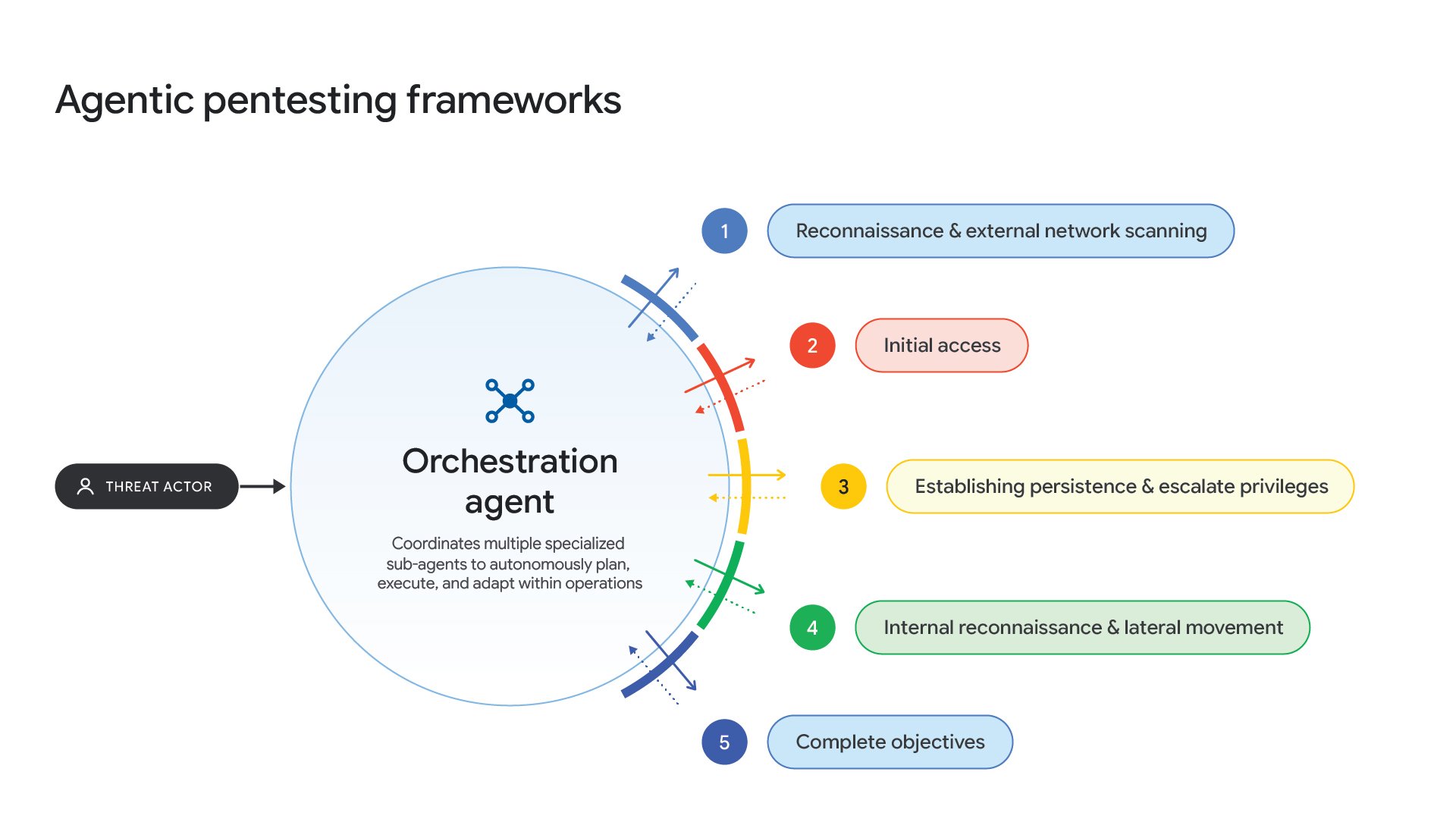
- Faster and more frequent cyber attacks against strategic sectors like banks, telcos, and utilities, with attackers using LLMs (large language models) and AI agents to automatically find and exploit new vulnerabilities faster than institutions can patch them. In one instance, a threat actor used open-source AI tools to detect and potentially test weak spots in a wide range of organizations across Asia.
The new findings come as Thai organizations grapple with large-scale identity theft, online fraud, and daily cyberattacks on national institutions, sparking calls for stronger monitoring and business continuity planning from the National Security Council and Bank of Thailand.
“Because of their volume and velocity, these kinds of cyber attacks are often relatively easy to detect but hard to defend against – unless Thai organizations employ AI platforms of their own which can automatically detect, respond to, and even prevent such threats,” said Steve Ledzian, CTO, Google Cloud Security & Mandiant, Japan and Asia Pacific. “These platforms, coupled with the latest cyber threat intelligence and techniques designed to foil AI-powered attacks, offer Thai enterprises and government the means to safeguard customers, citizens, and the continued growth of the country’s digital economy, even as threats become more intense and sophisticated than they are today.”
Cyber attacks accelerating to machine speed
The report highlights the need for new types of cyber defenses that can operate at “machine speed” – the same heightened pace at which cybercriminals are now mounting attacks with the help of AI tools. These defenses use multiple layers of different LLMs, AI agents, and analytics systems to constantly and instantly respond to suspicious patterns of behavior, rather than only detecting known types of attacks.
Using multiple LLMs keeps organizations from missing specific threats or vulnerabilities that a single AI model, no matter how powerful, might overlook. When equipped with these tools, even relatively small cybersecurity teams can identify, prioritize, and cut off the most critical threats much faster and more precisely than previously possible.
Google’s AI Threat Defense combines the most advanced AI models from Google and other providers, cyber threat intelligence from Mandiant, and risk prioritization systems from Wiz onto a single platform for security operations teams to plan and coordinate their defenses. Several Thai enterprises, including major financial services providers, have already begun using AI Threat Defense to help their teams respond to heightened volumes and velocity of cyber attacks.