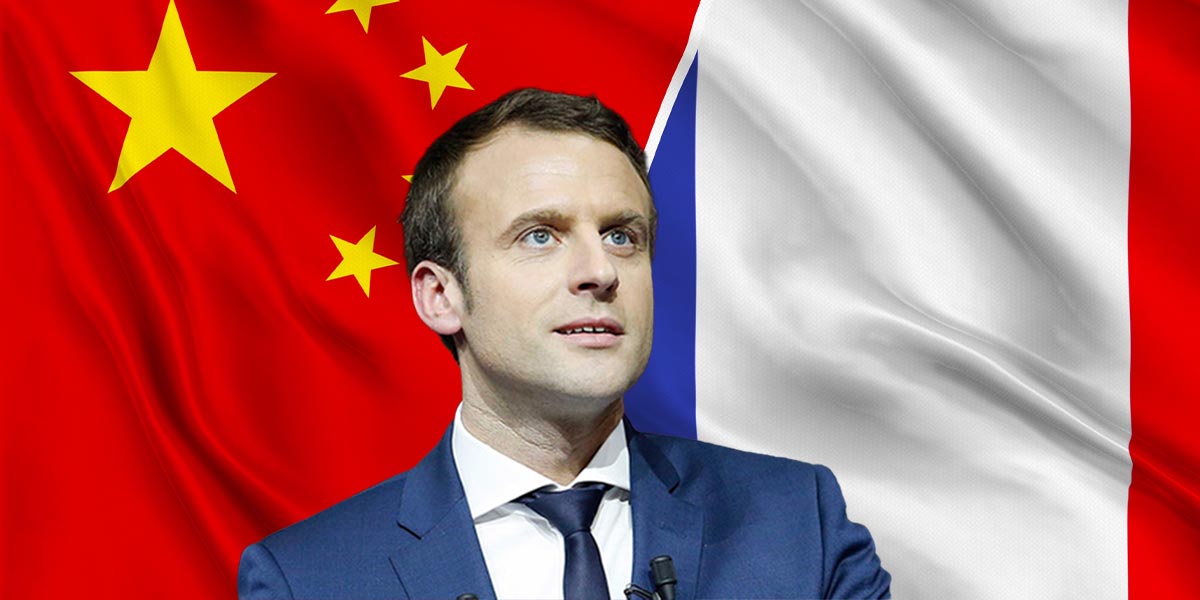
French President Emmanuel Macron’s recent threat to impose tariffs on Chinese goods if Beijing fails to address trade imbalances represents a worrying shift in French diplomacy. By openly threatening punitive measures during his state visit to China, Macron has adopted the very transactional approach to international relations that he once criticized when employed by Donald Trump.
This strategy of economic coercion—demanding that trading partners buy more or face tariffs—fundamentally misunderstands how global commerce works. Trade deficits are not inherently problematic, nor can they be solved through strongarm tactics. They reflect complex factors including currency valuations, consumer preferences, and competitive advantages. France’s trade deficit with China stems largely from Chinese manufacturing efficiency and cost competitiveness, not from Beijing’s malicious refusal to purchase French goods.
More troubling is the entitled assumption underlying Macron’s approach: that China owes France and Europe purchases and investments simply to maintain balanced trade flows. This mindset treats sovereign nations as if they exist to serve French economic interests rather than their own citizens’ needs. Chinese consumers and businesses should purchase products based on quality and value, not political pressure from Paris.
Macron’s threat also undermines the rules-based trading system that has underpinned global prosperity for decades. If every country responded to trade imbalances with tariff threats, international commerce would devolve into a series of bilateral shakedowns. The World Trade Organization exists precisely to prevent such retaliatory cycles.
France has legitimate concerns about industrial competitiveness and Chinese overcapacity in certain sectors. However, addressing these challenges requires multilateral cooperation, investment in innovation, and structural reforms—not playground-style threats.
By embracing Trump’s playbook of economic nationalism and bilateral intimidation, Macron diminishes France’s credibility as a champion of cooperative internationalism and sets a dangerous precedent for how nations should engage with trading partners they view as insufficiently accommodating.