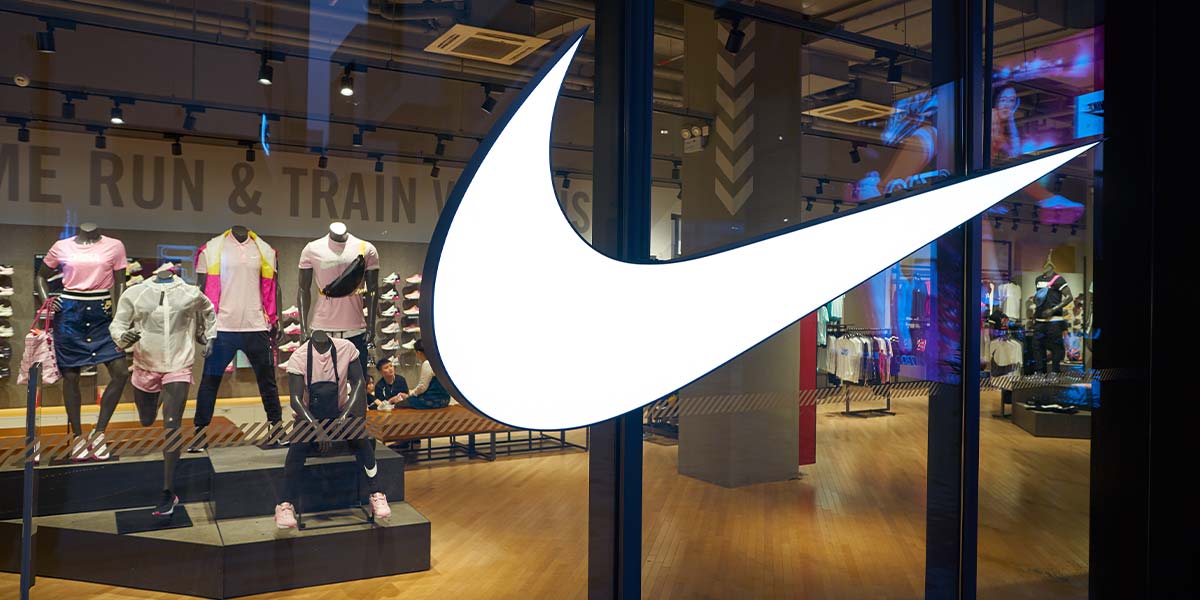
Nike’s persistent struggles in China have become a major concern for the athletic apparel giant, as the company marked its sixth straight quarterly sales decline in the critical market. Revenue in Greater China fell 17% to $1.42 billion, with footwear sales plunging 20%, reflecting what CEO Elliott Hill described as an urgent need to reset Nike’s regional strategy.
China now represents about 15% of the company’s total revenue, but worries about fierce local competition, declining consumer demand, and shifting retail trends have all amplified pressures on Nike’s growth.
The company has acknowledged that its efforts to revitalize China—ranging from refreshing product offerings to reducing sluggish inventory—have not yielded the steady progress executives or investors had hoped for.
The digital segment contracted sharply as online sales dropped 36% in the fiscal second quarter, and direct-to-consumer traffic lagged both online and offline. Analysts note that the predominance of monobrand retail stores in China has hampered Nike’s ability to reproduce the multi-channel success it enjoys in North America.
Rising competition from domestic brands such as Anta and Li-Ning has forced Nike onto the defensive, while the company’s reduced promotional activities during key events, like Singles Day, have further impacted sales volumes. Nike has also cut back on spring sales events and summer orders, aiming to prioritize full-price sales and clear out obsolete stock.
Quarterly results nonetheless came in ahead of Wall Street expectations: Nike reported earnings per share of 53 cents on revenue of $12.43 billion, outperforming analyst estimates. While wholesale revenue grew 8% to $7.5 billion, direct sales fell 8% to $4.6 billion. The company’s Converse brand, meanwhile, posted a 30% decline in revenues.
Nike’s overall performance remains weighed down by macroeconomic and structural headwinds. Higher tariffs trimmed gross margins by 3 percentage points, inventories declined 3%, and management now projects a low single-digit percentage decline in revenue for the third fiscal quarter, along with further margin pressure.
CEO Elliott Hill’s turnaround efforts, which involve streamlining operations and overhauling leadership, have yet to translate into a sustainable recovery in China. The company continues to focus on long-term initiatives—such as driving innovation through new product launches and expanding premium retail experiences—in hopes of regaining momentum.
Notably, shares of Nike have fallen 13% year-to-date, putting the company on course for a fourth consecutive annual decline. The stock is down 10% in pre-market on Friday.