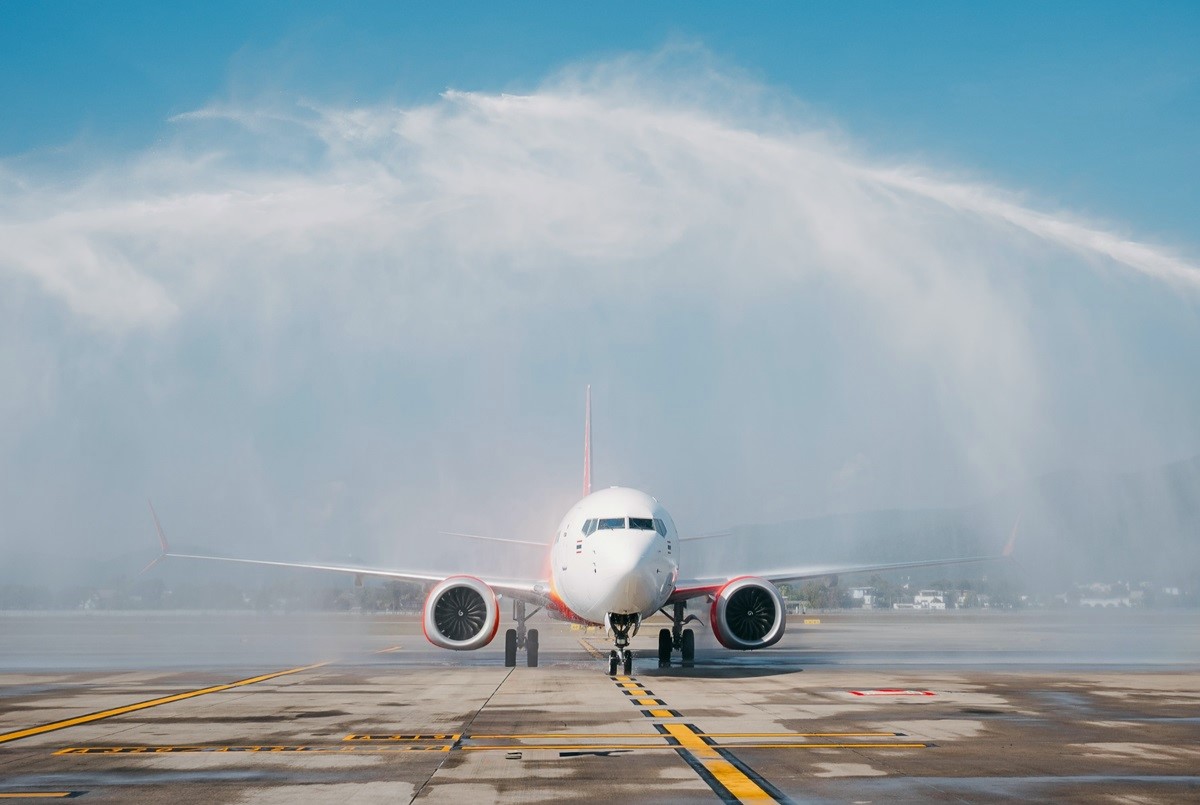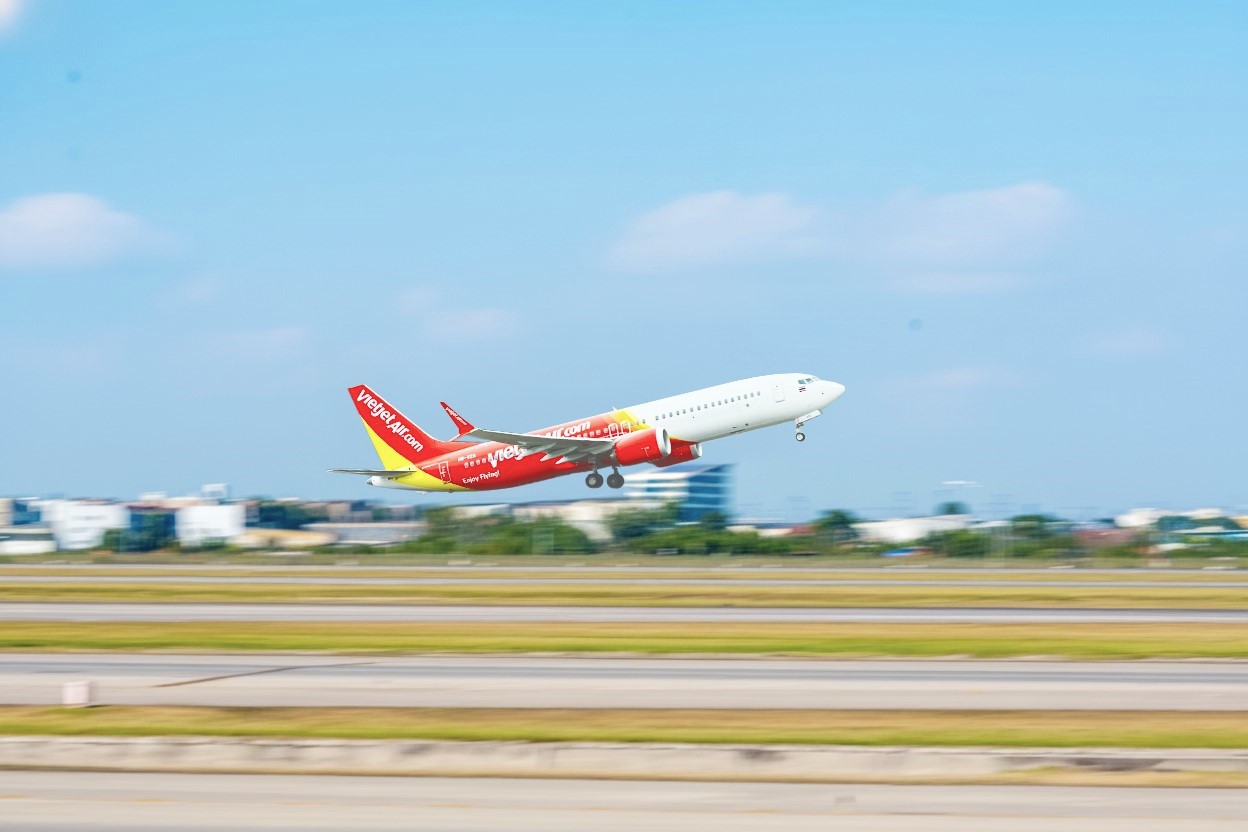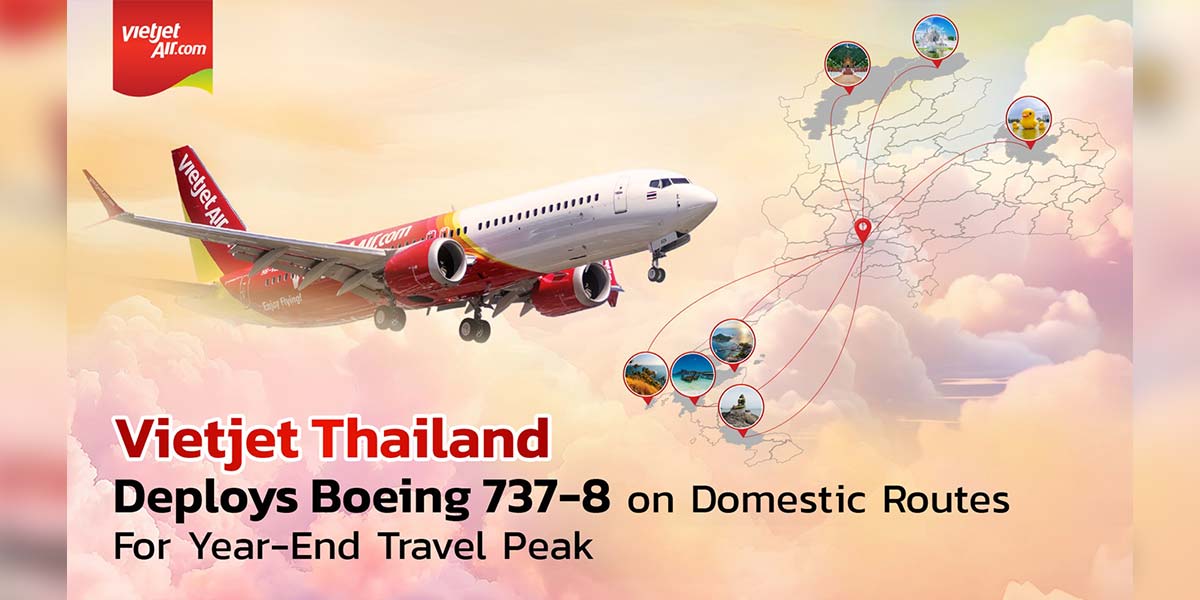
Vietjet Thailand advances itself with the introduction of the Boeing 737-8 into service for the first time on Bangkok-Chiang Mai. The airline is also deploying the new Boeing fleet on domestic network to Phuket, Surat Thani, Krabi, Chiang Rai, Hat Yai, and Udon Thani to meet high seasonal travel demand, while simultaneously enhancing operational efficiency and expanding service capabilities through modern aviation technology.
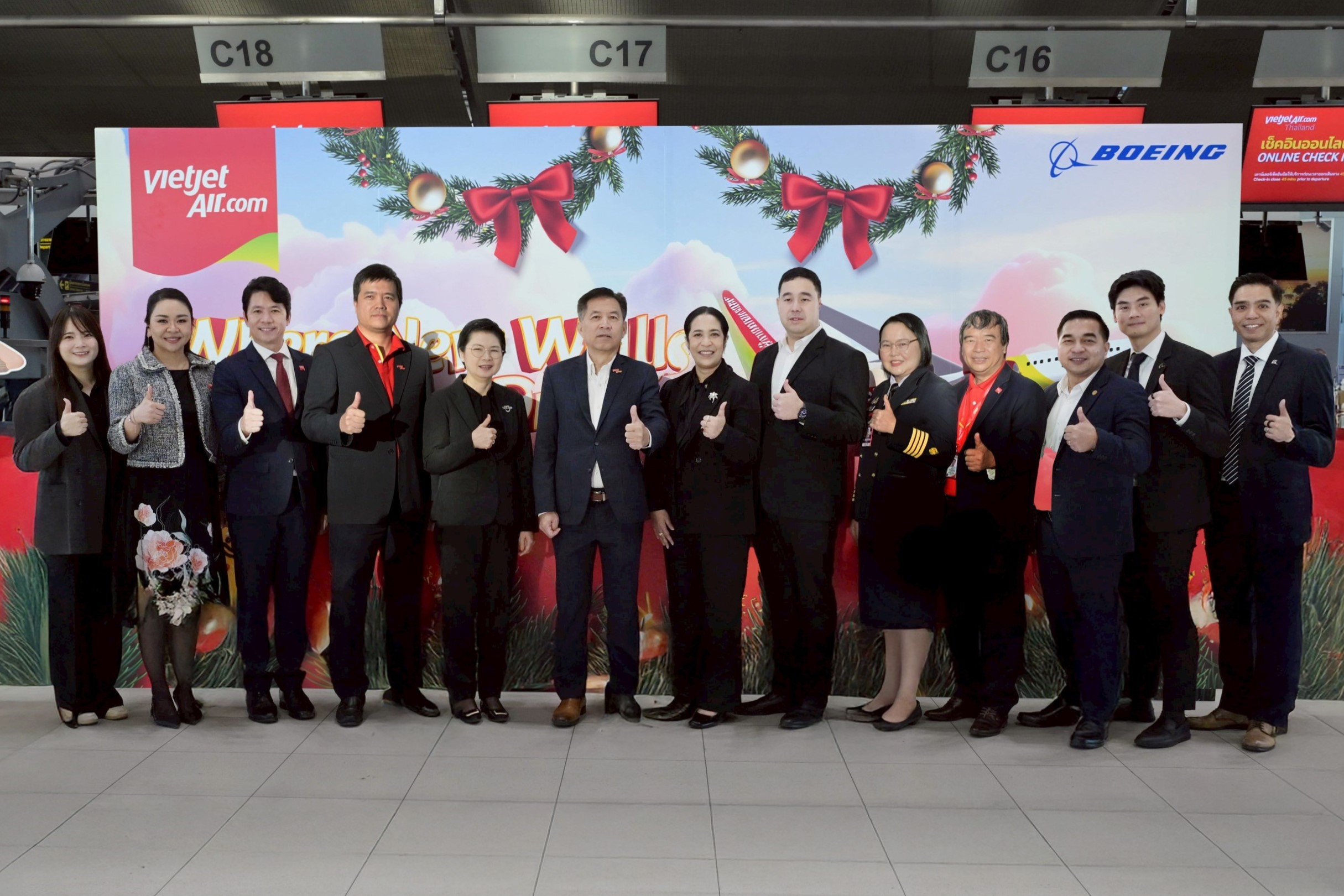

This initiative forms part of Vietjet Thailand’s fleet development plan to induct 50 new Boeing 737-8 aircraft, a major driver for extensive network expansion, supporting economic and tourism rebound, and contributing to a sustainable development of Thailand’s aviation industry.
“The deployment of Boeing 737-8 on domestic network marks a significant milestone in the airline’s new phase of growth, with enhanced operational efficiency while expanding network and uplifting passenger experience, to better accommodate steadily increasing travel demand. The decision to launch the inaugural flight on Bangkok-Chiang Mai route reflects the strategic positioning of Chiang Mai as one of Thailand’s top tourism destinations.
Chiang Mai has been ranked among Asia’s and the world’s leading tourist cities, attracting millions of visitors year-round, particularly during the high season when demand from both domestic and international markets rises sharply. This high-frequency route also supports to reinforce Vietjet Thailand’s as a leading airline in domestic market with operations to/from Suvarnabhumi international airport”, said Mr. Woranate Laprabang, Chief Executive Officer of Vietjet Thailand.

The Boeing 737-8 has a seating capacity of 189 seats per flight and delivers enhanced travel experience with the Boeing Sky Interior, offering a quieter and more spacious cabin. It is complemented by advanced LED lighting with adjustable color tones to create a relaxing in-flight ambiance, as well as larger overhead baggage compartments that provide greater convenience for passengers.
Moreover, the Boeing 737-8 integrates advanced aerodynamic technologies that reduce drag and increase lift, improving energy efficiency. It is powered by LEAP-1B engines, which reduce noise levels by up to 50 percent and are compatible with Sustainable Aviation Fuel (SAF), helping to cut carbon dioxide emissions by approximately 15-20% and improve fuel efficiency by around 20% compared with previous-generation engines. These features enable the airline to reduce long-term operating costs while supporting environmentally friendly aviation development in line with ICAO standards.