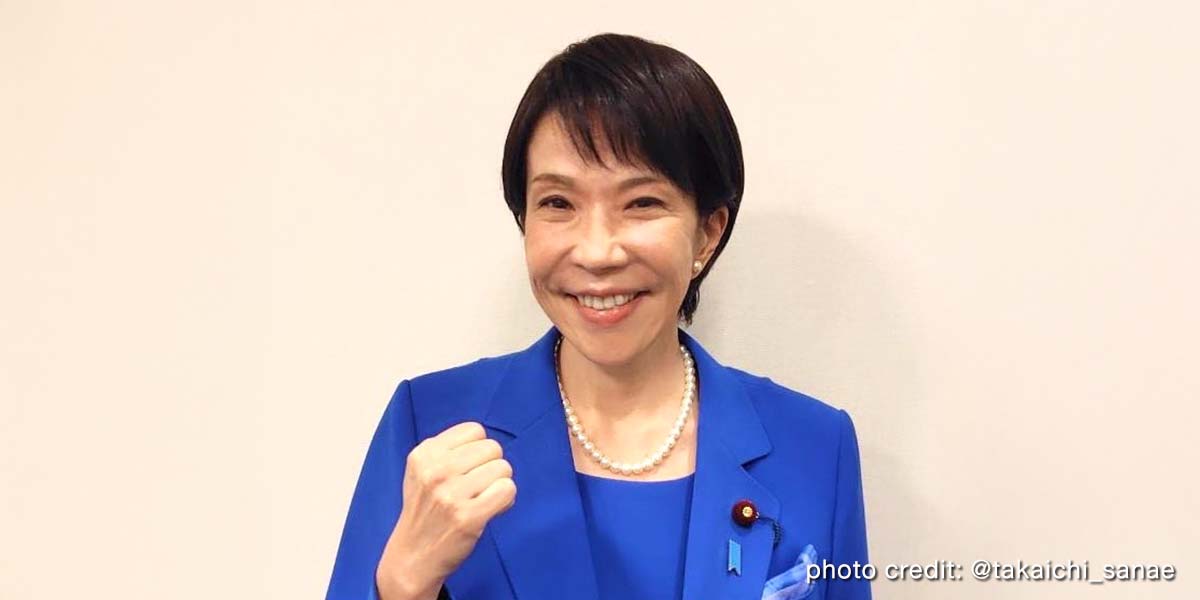
Japan’s Liberal Democratic Party, led by Prime Minister Sanae Takaichi, secured a decisive victory in Sunday’s snap election, capturing a commanding majority in the House of Representatives. The sweeping win grants Takaichi and her coalition significant legislative authority, signaling major policy shifts for investors and markets.
The LDP, under Takaichi’s leadership, won 316 seats in the 465-member lower house—a level of support unmatched by any single party since the end of World War II. When combined with coalition ally Japan Innovation Party’s seats, the ruling bloc holds 352 seats overall, giving it the ability to override the upper chamber on key legislative issues, including budgets.
This outcome follows Takaichi’s decision to call an early election, which some had described as a political risk. The outcome, however, provided her administration with a stable foundation and a clear mandate from the public. The Central Reform Alliance, previously the largest opposition force, suffered substantial losses, dropping from 167 to just 49 seats.
Political observers point to Takaichi’s popularity—evidenced by approval ratings above 70%—as a major factor in the landslide, along with her appeal to younger voters through social media engagement.
With this strengthened position, Takaichi’s government is poised to advance several major initiatives. Priorities include implementing tax cuts and increasing government spending—moves that have prompted market attention given Japan’s public debt levels. Defense and security policy is also expected to shift, with Takaichi advocating greater defense spending and possible constitutional amendments related to Japan’s pacifist stance.
The election result drew quick recognition from global leaders, including U.S. President Donald Trump and Indian Prime Minister Narendra Modi, who both acknowledged the significance of the outcome for Japan’s future direction.
Despite underlying concerns among voters about cost-of-living pressures and tensions in the region, turnout remained robust. Many braved unusual winter weather to participate, delivering a clear mandate for the new government’s proposed changes.