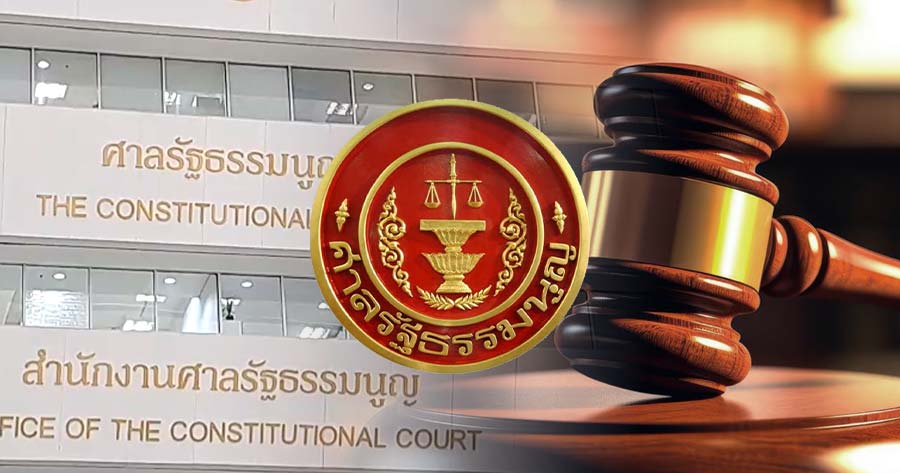
The Constitutional Court of Thailand made a significant move by accepting a petition from the Ombudsman regarding the use of barcodes and QR codes on election ballots during the February 8, 2026, general election.
On March 18, 2026, the judges of the Constitutional Court convened their weekly meeting. The main agenda was to consider whether to accept the petition from the Ombudsman.
This stems from the Ombudsman submitting an opinion and petition from the public, requesting the Constitutional Court to rule whether the management of the election on February 8, 2026, complied with Sections 83 and 85 of the Constitution.
The key point of the petition stated that printing barcodes and QR codes on election ballots may violate the rights and freedoms of eligible voters, as it might allow identifying for whom or which political party someone voted, making the election possibly not secret and against the intent of the Constitution.
As for the Constitutional Court’s procedures, there were two possible courses of action: not accepting the petition for consideration, which would end the raised concern and deem that the election on February 8, 2026, was lawful; or accepting the petition for review, then allowing relevant organizations or individuals to provide factual clarifications to the court within 15 days.
Later, the Constitutional Court’s judges resolved, by a majority of 6 to 3, to accept the Ombudsman’s petition regarding the printing of barcodes and QR codes on election ballots for consideration. They will permit relevant agencies and individuals to submit explanations to the court according to the process.