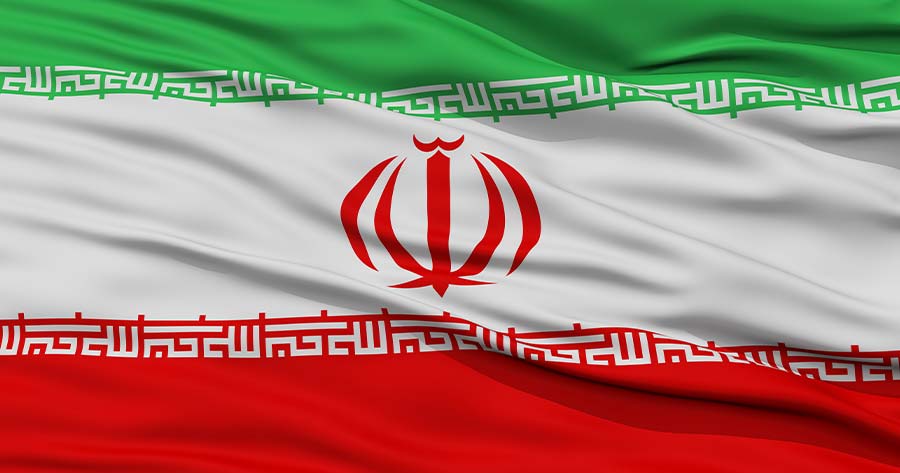
On Wednesday, Iran expanded military strikes against Israel and U.S.-linked targets across the Middle East following the killing of a senior security official, intensifying a conflict that is increasingly influencing global energy markets.
Tehran’s response followed the death of Ali Larijani, head of Iran’s Supreme National Security Council, who was killed alongside close aides and family members in Israeli airstrikes a day earlier. Iran’s Islamic Revolutionary Guard Corps said it had struck more than 100 military and security locations in Israel, including coordinated drone and missile operations targeting Tel Aviv and nearby areas.
Iranian actions also extended beyond Israel. Explosive drones were launched toward the U.S. embassy in Baghdad, while a separate projectile landed near an Australian-operated airbase in the United Arab Emirates, according to officials, without causing casualties. Explosions were also reported in Doha, highlighting the widening geographic scope of hostilities.
The escalation follows a broader campaign that began after U.S. and Israeli strikes on Iran in late February. Analysts at Fitch Solutions warned of a likely protracted and disorderly intensification of conflict, with the potential for Tehran to deploy allied groups such as the Houthis to increase pressure if direct strike capacity is constrained.
In parallel, financial and cyber targets have come into focus. U.S. and Israeli actions reportedly included a strike on digital infrastructure linked to Sepah Bank, following earlier cyberattacks affecting both Sepah and Melli Bank.
Energy infrastructure and transport routes remain central to the confrontation. U.S. forces have targeted Iranian missile positions near the Strait of Hormuz, while Washington has sought allied support to secure tanker passage through the chokepoint.
Although shipping activity has been sharply reduced and multiple vessels have come under attack since early March, maritime data indicate the route has not been fully shut down. Around 90 ships, including oil tankers, transited the strait in the first half of March, a steep decline from typical daily volumes. A portion of these voyages was potentially linked to Iran or conducted under limited visibility or so-called “dark” transits, according to maritime data firm Lloyd’s List Intelligence.
Iran has maintained crude exports despite the disruption, with estimates indicating shipments exceeding 16 million barrels since the start of March. China has remained a key destination amid ongoing sanctions.
Analysts note that Tehran appears to be managing access to the waterway selectively, allowing certain cargoes to pass while restricting others. Some vessels from countries including India and Pakistan have also navigated the route following diplomatic engagement.
Notably, oil prices have surged more than 40% since the conflict began, surpassing $100 per barrel, as supply concerns intensified. While the U.S. has allowed some Iranian shipments to proceed to stabilize global markets, the broader outlook remains uncertain as military actions continue around critical export infrastructure.
Diplomatic efforts are ongoing, with regional officials from various Arab and Muslim countries set to convene in Riyadh to address the crisis, even as the conflict shows little indication of easing in the near term.