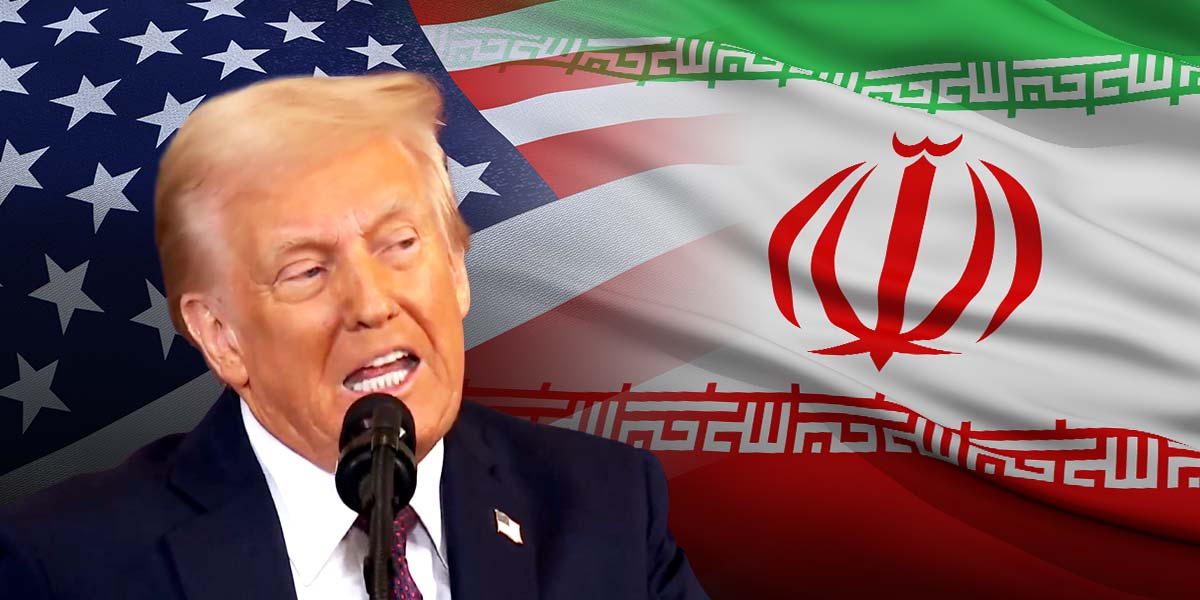
On Wednesday, Israel and Iran launched airstrikes at each other as Iranian military officials dismissed President Donald Trump’s statement that the United States is holding talks to resolve the ongoing conflict. The exchange of fire added to volatility in global energy and financial markets.
The Iranian Armed Forces, led by the Revolutionary Guards, publicly denied any current negotiations with Washington despite reports that the United States has introduced a 15-point proposal for review. Ebrahim Zolfaqari, chief spokesperson for Iran’s unified military command, stated on Iranian television that only internal discussions were taking place within the U.S., denying direct engagement with Washington.
While Iranian authorities have consistently dismissed President Trump’s assertions about talks throughout the week, developments indicate that negotiations between the U.S. and Iran are underway, although these efforts appear to go around the entrenched leadership of the Revolutionary Guards. Recent reports revealed that American representatives are holding meetings with Iranian delegation members in Pakistan, sidestepping hardline IRGC involvement.
The Revolutionary Guards, seen as a powerful and hardline faction within Iran, have declared their intent to maintain the closure of the Strait of Hormuz and continue hostilities. This has underscored internal divisions within Iran’s ruling structure, with the IRGC and Iran’s executive branch pursuing different approaches to the crisis.
Reuters, referencing an Iranian official, reported that Iran has outlined preliminary terms for a possible ceasefire with the U.S. and Israel, following a 15-point plan sent by the U.S. earlier today. Among the key requirements are compensation for war-related damages, formal Iranian authority over the Strait of Hormuz, security guarantees against future actions, and unrestricted development of Iran’s ballistic missile program.