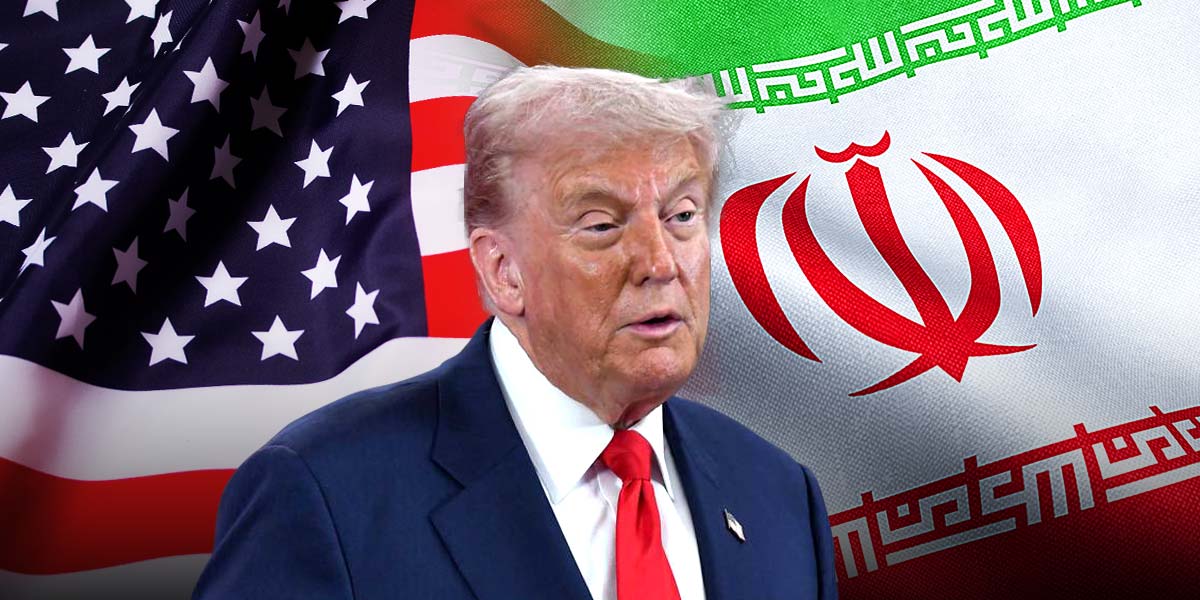
The Iranian Ministry of Defense has issued a defiant rebuttal to President Donald Trump’s order for a naval blockade of the Strait of Hormuz, warning that any military intervention by foreign powers will lead to a catastrophic collapse of global energy security.
A spokesperson for the Iranian Ministry of Defense declared that President Trump “will fail” in his attempt to interfere militarily within the Strait of Hormuz and the Sea of Oman. The Ministry further asserted that U.S. actions would only serve to escalate the existing crisis and destabilise the international energy market.
This heated rhetoric follows a dramatic announcement made by President Trump via Truth Social on April 12, 2026. Trump revealed that the U.S. Navy would immediately implement a “blockade” to prevent all maritime traffic from entering or exiting the strategic waterway. The President justified the move by accusing Tehran of “global extortion,” claiming that Iran is withholding critical information regarding the location of sea mines—data he alleges only the Iranian government possesses.
The escalation comes on the heels of a total collapse in diplomatic efforts. Vice President JD Vance confirmed that 21-hour peace negotiations held in Islamabad, Pakistan, failed to reach a resolution. While the Pakistan-mediated talks reportedly saw consensus on several points, the “critical issue” of Iran’s nuclear program remained an impassable deadlock.
In addition to the blockade, the U.S. has issued the following directives:
- Interception of Vessels: The U.S. Navy has been ordered to search and intercept any ship in international waters found to be paying transit fees to Iran.
- Mine Clearance: U.S. forces will begin active operations to destroy Iranian-laid mines in the Strait.
- Retaliation Warning: The U.S. warned that any Iranian forces firing upon U.S. or civilian vessels will face immediate military retaliation.
President Trump maintains that the blockade is a necessary response to Iran’s nuclear ambitions, which he claims have already led to the near-collapse of Iran’s air force, navy, and radar systems. Despite these claims of military superiority, the Iranian Ministry of Defense remains steadfast, positioning the blockade as an act of foreign intervention that the Islamic Republic is prepared to resist.
As the two-week temporary ceasefire officially ends, the international community watches with mounting concern as the U.S. prepares to lead a coalition of countries to enforce the blockade, a move Trump insists will ensure Iran no longer benefits from “illegal activities”.