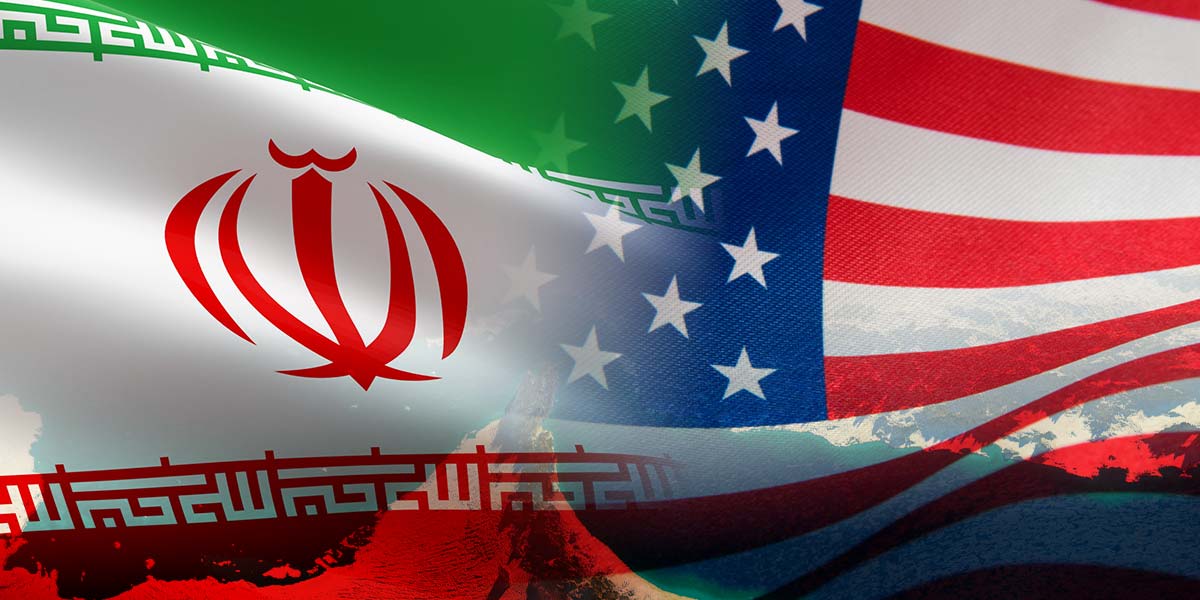
Officials from the United States and Iran are preparing for a potential second round of direct negotiations following recent discussions in Islamabad that ended without a comprehensive deal. With the current ceasefire due to expire on April 21, both sides are working to schedule further talks aimed at avoiding another outbreak of regional conflict.
Diplomatic efforts remain tense after marathon negotiations in Pakistan failed to resolve key differences. On Monday, the U.S. heightened pressure by imposing a blockade on Iranian ports. According to the Trump administration, this move is designed to push Tehran toward greater compromise. Iranian authorities, however, contend they still have significant influence due to their continued control over the largely inaccessible Strait of Hormuz.
One persistent obstacle involves the suspension of uranium enrichment. While the U.S. and Iran have each proposed a freeze, consensus has not been reached on how long such restrictions should last. President Trump has emphasized his administration will reject any agreement that allows Iran to develop a nuclear weapon.
Pakistan continues to play a mediating role, working to facilitate renewed negotiations before the ceasefire lapses. President Trump has stated that Iran recently conveyed an interest in reaching an agreement, but it remains uncertain whether Tehran will accept Washington’s terms. As the ceasefire approaches its expiration date, the situation holds substantial implications for regional stability and global energy markets.