Thailand is evaluating whether to increase its public debt ceiling following rising energy costs caused by unrest in the Middle East. Government officials highlight that escalating oil prices are threatening to drive up inflation and dampen economic growth, particularly by affecting tourism confidence.
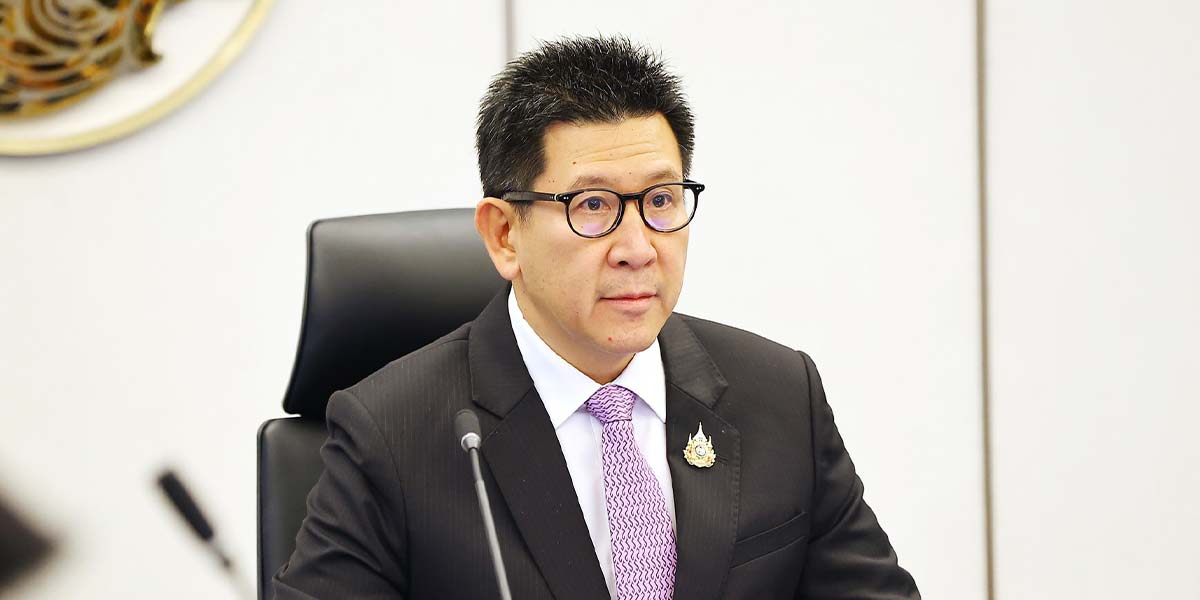
According to a report by Bloomberg, Finance Minister and Deputy Prime Minister Ekniti Nitithanprapas stated that the government is currently assessing whether to raise the self-imposed cap on public debt, which now stands at 70 percent of gross domestic product. This follows a previous adjustment from 60 percent to 70 percent of GDP in 2021 to provide financial support during the pandemic.
Ekniti indicated that any additional borrowing would prioritize investments aimed at bolstering the country’s ability to withstand future shocks. He emphasized the importance of directing funds towards critical sectors and initiatives focused on economic transition and transformation as part of the government’s main strategic pillars, dubbed as three Ts, which includes Target, Transition and Transformation.
With public debt currently at 66 percent of GDP, moving the ceiling higher could prompt credit rating agencies to revisit Thailand’s sovereign ratings. While Fitch Ratings and Moody’s revised Thailand’s credit outlook to negative last year, they have retained their overall ratings. Ekniti noted that discussions would be held with major rating agencies to sustain Thailand’s credit standing if the government proceeds with raising the debt limit.
In a separate event, Assistant Governor Chayawadee Chai-anant told Reuters that Thailand’s reliance on imported energy could cause a huge impact on the country’s growth this year. She noted that if the war in the Middle East drags on into the second half of 2026, the kingdom could see its economic expansion growing at about 1.3%.