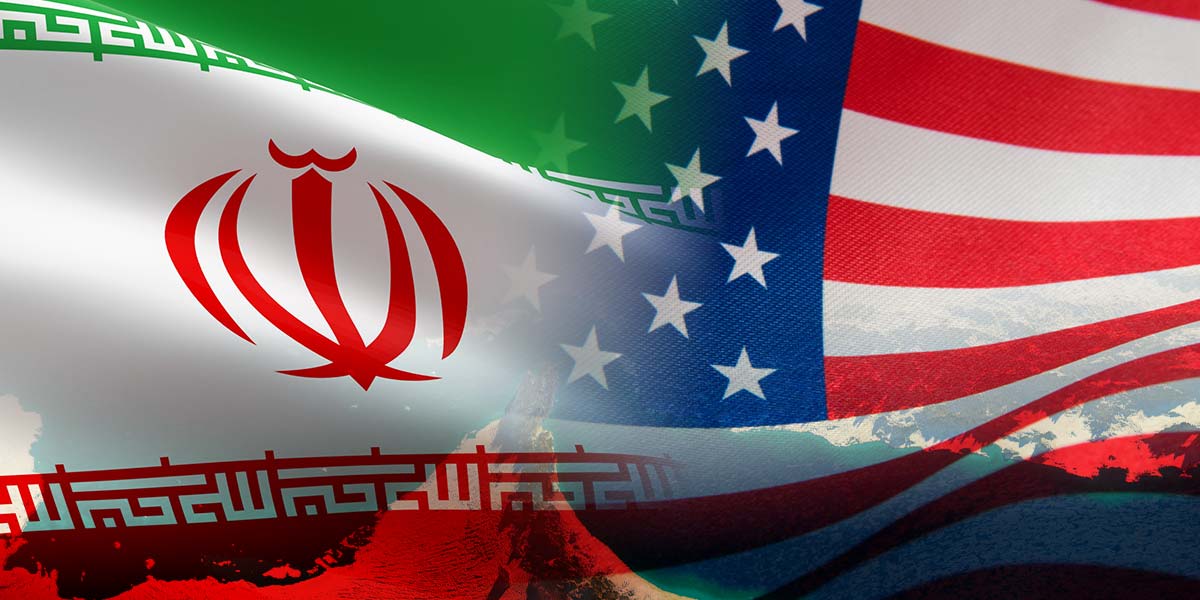
Tensions in the Middle East reached a fever pitch on 4 May 2026, following reports of a military confrontation in the Strait of Hormuz. Iran’s Fars News Agency reported that the Islamic Revolutionary Guard Corps (IRGC) fired two missiles at a U.S. destroyer near Jask Island after the vessel allegedly ignored warnings to stay out of the strategic waterway. While a senior Iranian official characterized the event as a warning shot to prevent entry into the Strait.
In response to these claims, a senior U.S. official has denied that a U.S. ship was hit by Iranian missiles. This escalation follows President Donald Trump’s recent announcement of “Project Freedom,” a mission intended to assist commercial and oil tankers currently stranded in the area. Iranian military leaders had previously warned that they would attack any U.S. forces entering the Strait and advised commercial vessels to coordinate movements with Tehran.
The impact on global energy markets was immediate and significant. Brent crude prices surged 5.16% to reach $113.75 per barrel, while West Texas Intermediate (WTI) rose 4.54% to $106.57 per barrel. Analysts from UBS suggest that oil prices will remain on an upward trend as long as security threats continue to restrict transport through the Strait of Hormuz, which is vital for global energy exports.
The regional situation remains volatile, with the United Kingdom Maritime Trade Operations reporting a separate incident where a tanker was struck by an unidentified object near Fujairah. Although OPEC+ agreed to increase production targets by 188,000 barrels per day for June, experts believe this may not offset supply disruptions caused by the ongoing conflict. Currently, there is no peace agreement in sight as Iran continues to demand an end to the naval blockade before proceeding with nuclear negotiations.