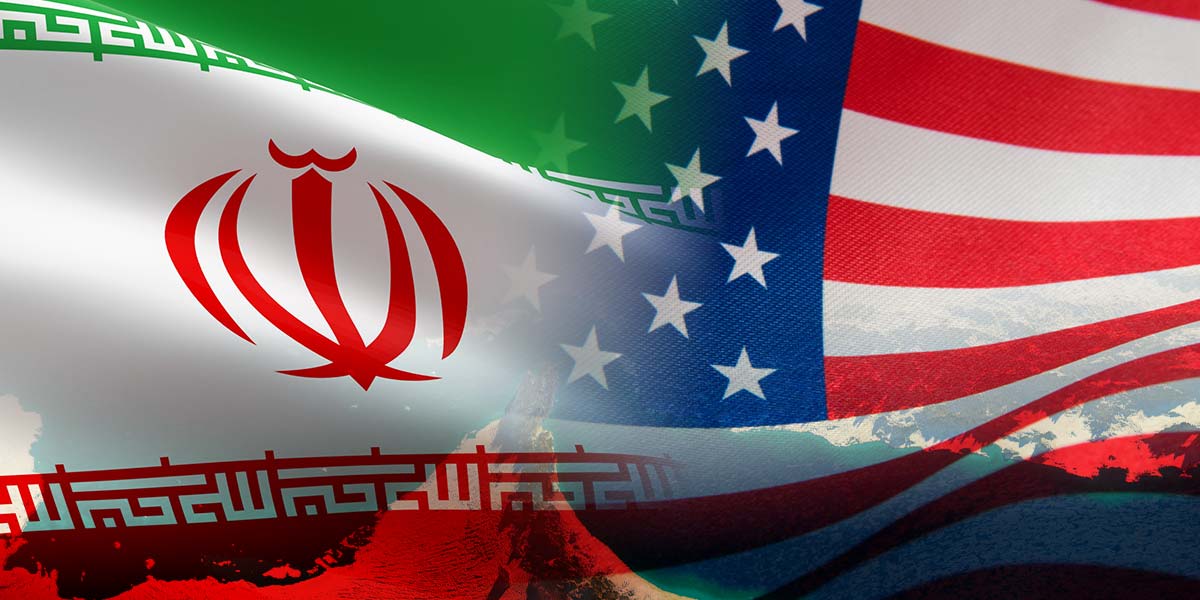
Recent reports from the Wall Street Journal indicate that Iran has submitted a new peace proposal to Washington, signaling a potential shift in its diplomatic strategy. Aimed at reviving stalled negotiations and easing economic strain, the proposal offers hints of compromise regarding the Strait of Hormuz.
Tehran has reportedly suggested discussing conditions for reopening the strategic waterway simultaneously with U.S. guarantees to end its maritime blockade and port attacks. This represents a significant departure from Iran’s previous demand that the blockade be lifted as a precondition for any talks. Furthermore, the proposal links discussions on Iran’s nuclear program to the provision of U.S. sanctions relief. Iranian officials have indicated a readiness to begin mediated talks in Pakistan as early as next week, provided Washington is receptive.
In contrast to these diplomatic signals, a report from Al Jazeera highlights a more confrontational stance from Tehran’s military leadership. According to the military, it is “likely” that the war involving the U.S. and Israel will resume, and Iranian forces claim to be “fully prepared” for any moves from the Americans. This heightened military rhetoric underscores the fragile nature of the current standoff.
Adding to the friction, the U.S. has intensified economic pressure by warning international shipping companies that paying tolls or fees to Iran for transiting the Strait of Hormuz risks triggering Washington-imposed sanctions. While Iran seeks a diplomatic exit through its new proposal, President Trump has expressed dissatisfaction with the current terms, stating that the proposal includes demands he cannot agree to.