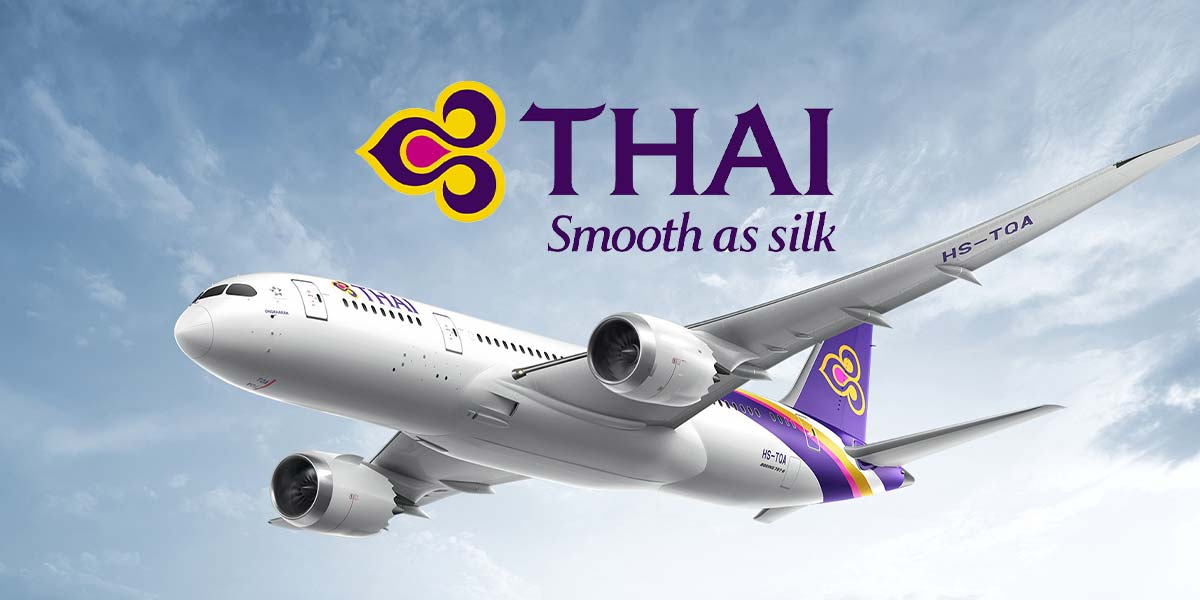
Mr. Chai Eamsiri, Chief Executive Officer of Thai Airways International Public Company Limited (SET: THAI), revealed to ‘Kaohoon’ that the company is preparing to seek approval from its Board of Directors this June for a planned investment in the U-Tapao Aircraft Maintenance, Repair and Overhaul (MRO) Center.
The investment budget for this project is set at THB 10 billion. Upon receiving board approval, Thai Airways will proceed to sign a land lease agreement with the Eastern Economic Corridor Office (EECO). Detailed discussions have already taken place in the past week with the Secretary-General of the EECO.
Furthermore, the company has confirmed it will use the originally planned location for the MRO center in collaboration with U-Tapao International Aviation Co., Ltd. (UTA), the concessionaire for the U-Tapao Airport and Eastern Aviation City development project.
Previously, UTA submitted a proposal to both Thai Airways and the EECO requesting a change in the location of the MRO project to a site near the airport’s second runway (Runway 2), as UTA intends to develop the existing 210-rai area for commercial purposes adjacent to the Aviation City project.
Mrs. Cherdchome Therdsteerasukdi, Chief Financial and Accounting Officer of Thai Airways, outlined the company’s strategy for the remaining months of 2026. Due to ongoing conflict in the Middle East, which has impacted travel and pushed up oil prices, Thai Airways responded by increasing its fuel surcharge in April to boost passenger yield by 12–15%.
Simultaneously, the company reduced passenger capacity as measured by Available Seat Kilometers (ASK) in May 2026 by approximately 2–3% year-on-year to manage fuel consumption and maintain a high cabin factor.
During the first half of the year, Thai Airways hedged 50% of its fuel requirements and is considering additional hedging to enhance coverage. The airline has also implemented ongoing promotional campaigns to stimulate sales in the second half of 2026 (July–December).
Additionally, to maintain liquidity, Thai Airways has deferred non-core investments valued at THB 6 billion but is proceeding with the investment for the U-Tapao MRO center and related businesses in the Eastern Economic Corridor, covering 210 rai, with a THB 10 billion investment.
For 2026, the company remains committed to its aircraft acquisition and delivery plan, with no delays or postponements. The airline will take delivery of 28 new aircraft this year: 14 widebody Boeing 787s to be delivered between the second and fourth quarters, and 14 narrowbody Airbus A321neos, with one already delivered in the first quarter and the remainder expected in the ensuing quarters.
By year-end 2026, Thai Airways’ fleet is projected to total 102 aircraft, up from 80 last year. This includes 67 widebody and 35 narrowbody aircraft. Furthermore, the company’s agreements with Boeing and GE Aerospace for the procurement of 45 new Boeing 787 Dreamliners remain on schedule. According to the fleet expansion plan, Thai Airways targets 102 aircraft in 2026, 111 in 2027, and 128 in 2028.
In terms of distribution channels, sales via website have increased from pre-pandemic levels, now accounting for 28% of total sales, while sales through agencies have declined from 75% to 40–50%. The airline has also set improved sales incentive ceilings to encourage channel balance and diversification, reducing over-reliance on any single channel.
Thai Airways maintains its planned expansion of flight routes in 2026, including the resumption of services to Amsterdam, Netherlands, on July 1, 2026, after a 28-year hiatus, and the reopening of Auckland, New Zealand, services by the end of the year.
The ongoing Middle East conflict, which began in late February, has resulted in notable changes to the company’s business. In 1Q26, the number of European zone passengers grew by 16% year-on-year, while average ticket prices rose by 14%. This growth was due in large part to the cancellation of flights by several Middle Eastern airlines, which allowed Thai Airways to increase frequencies on its Paris and Frankfurt routes.
At the end of the morning session on Monday, the share price of Thai Airways jumped by 9.84% or THB 0.60 to THB 6.70, with a trading value of THB 1.40 billion.
Pi Securities wrote that Thai Airways’ European routes have shown improved growth momentum, particularly in March 2026. This positive trend was mainly attributed to a temporary suspension of services by some Middle Eastern airlines due to the ongoing war situation in the region.
The company’s total main operating costs amounted to THB 37.28 billion, representing a 2% decrease year-on-year and a 9% decline from the previous quarter. The year-on-year decrease was primarily driven by lower fuel costs, while the reduction from the previous quarter was attributed to employee expenses normalizing after a previous spike.
As a result, Thai Airways reported an operating profit of THB 12.41 billion, which was up 1% year-on-year and increased significantly by 109% quarter-on-quarter.
To address the recent rise in global oil prices, Thai Airways has raised average ticket fares by approximately 15–20% and expanded its fuel hedging contracts. In the second quarter of 2026, the company has already forward-hedged more than 50% of its anticipated fuel consumption, with around 30% hedged for the second half of the year.
Furthermore, Thai Airways has adjusted its capacity downward from its previous plan, highlighting a strategic focus on profitability over simply increasing passenger volume. In May 2026, Available Seat Kilometer (ASK) was reduced by 6%, followed by a 2% reduction in June. The company also plans to launch promotional campaigns during May and June to stimulate market demand for the latter half of the year.
Regarding its fleet expansion plan for 2026, the company expects to take delivery of 28 new aircraft while returning 6 aircraft, which remains consistent with the original plan. By the end of 2026, Thai Airways’ fleet is expected to total approximately 102 aircraft. The new aircraft will support the opening of new routes in the future.
Pi Securities further noted that while jet fuel prices have shown signs of easing, which could potentially lead to lower-than-expected full-year profit estimates, current fuel prices remain elevated compared to last year.
Additionally, the second quarter is the low season for the aviation industry, which may put pressure on short-term performance. Therefore, the recommendation for Thai Airways remains a ‘Hold’ rating, with a fair value estimate of THB 5.70 per share based on a 2026 PBV of 2x.