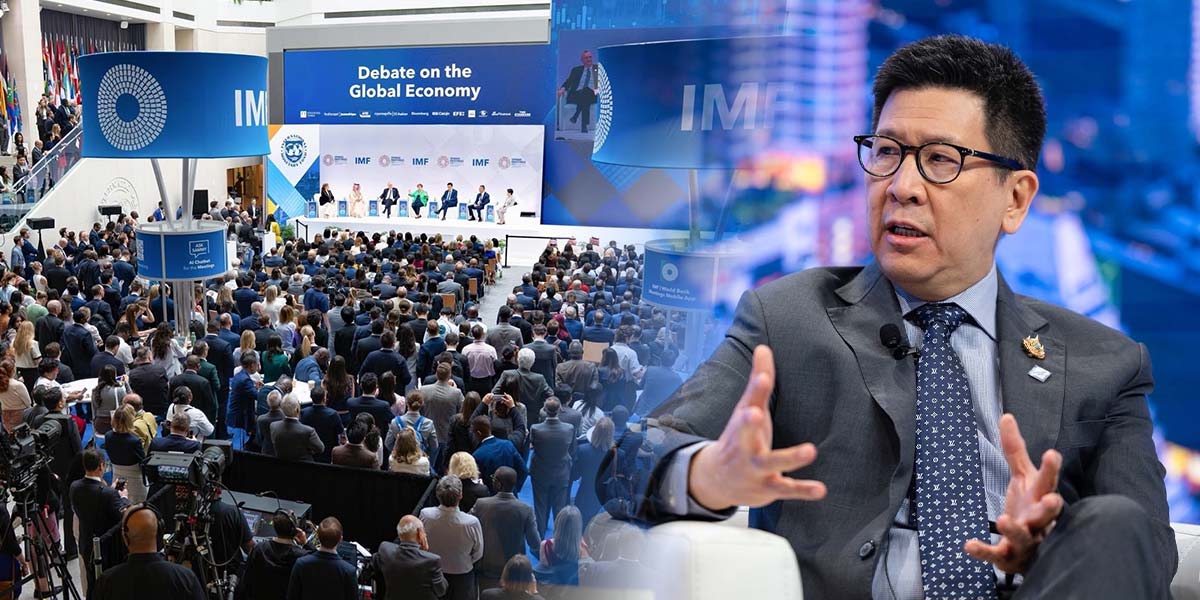
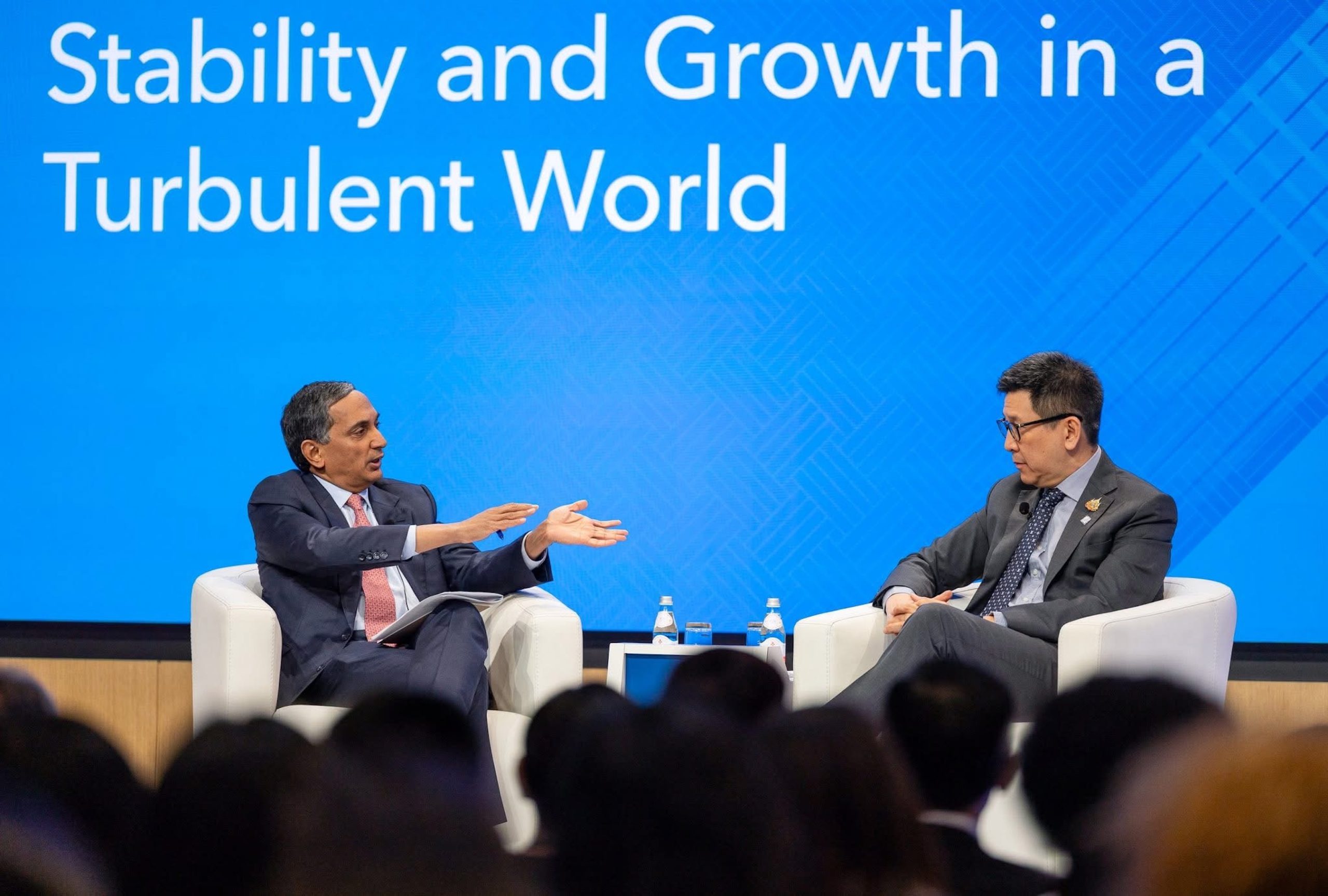
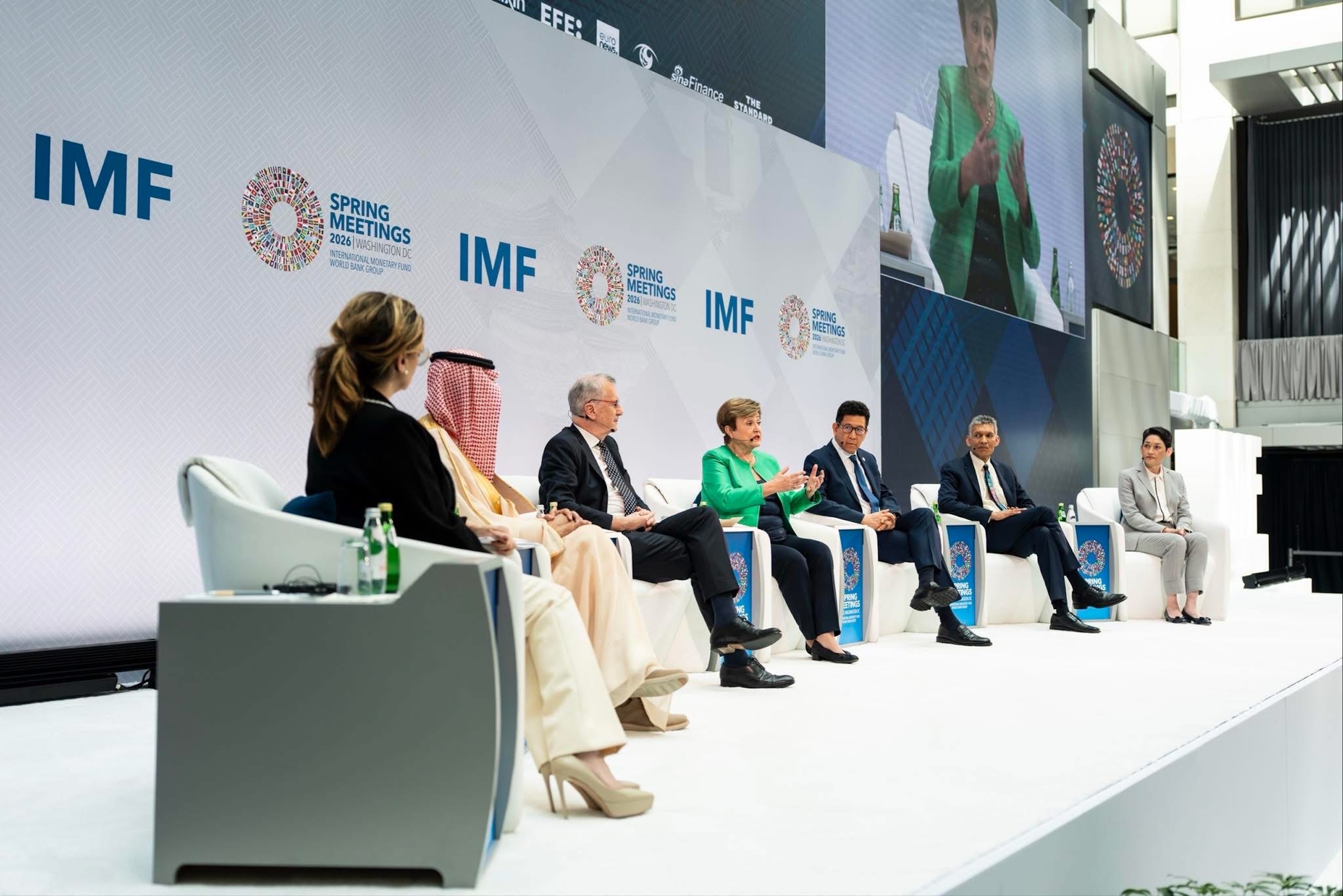
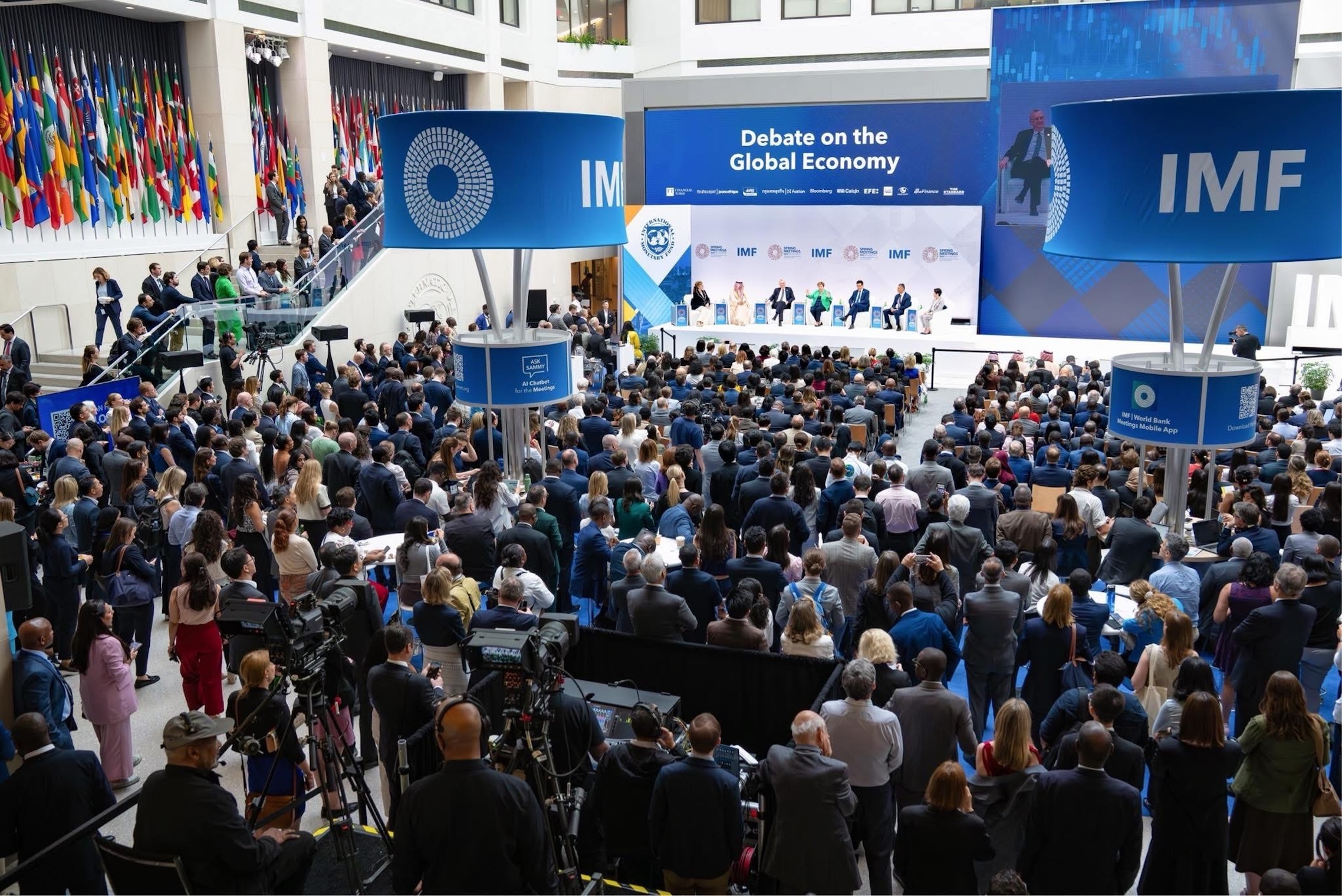
In a rapidly evolving global economic landscape, countries are strategically adapting to effectively and promptly respond to change. During the IMF-World Bank Group Spring Meetings, organized by the International Monetary Fund (IMF) and the World Bank Group, from April 13-18, 2026, in Washington D.C., USA, Dr. Ekniti Nitithanprapas, Deputy Prime Minister and Minister of Finance, shared Thailand’s vision and practice at two key events: the ‘Governor Talks: Thailand – Navigating Macroeconomic Stability and Growth in a Turbulent World’ and ‘The Debate on the Global Economy,’ alongside Dr. Kristalina Georgieva, Managing Director of the International Monetary Fund. The Deputy Prime Minister highlighted that the world is entering an era of ‘New Horizons’ characterized by volatility and complexity.
He also unveiled Thailand’s proactive stance under the concept of ‘Thailand’s New Horizons: Empowering People, Building Resilience,’ demonstrating the nation’s readiness to host the 2026 IMF-World Bank Group Annual Meetings from October 12–18, 2026, at the Queen Sirikit National Convention Center in Bangkok.
The New World: An Opportunity for Agile Nations
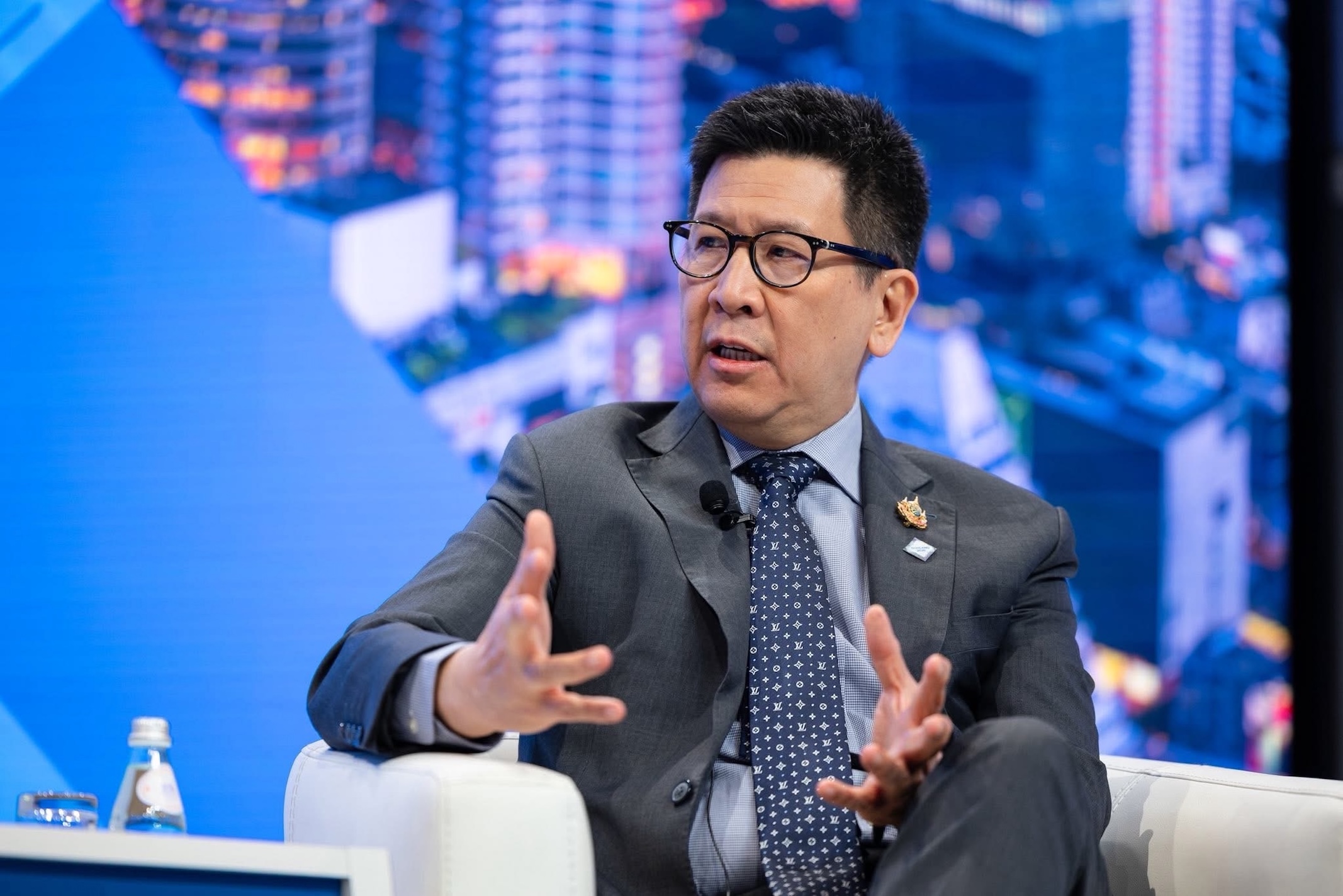
Dr. Ekniti Nitithanprapas, Deputy Prime Minister and Minister of Finance, explained that the core focus for Thailand is enhancing its ‘Adaptive Capacity’ – the ability to adapt quickly – to transition towards a diverse and resilient economy. The government has laid out a new economic model that emphasizes embracing technology and strengthening regional connectivity. Our goal is to ensure Thailand is not merely a recipient of external impacts, but a nation capable of generating internal stability and new opportunities. This will be a crucial foundation for building confidence among global investors seeking a stable and continuously growing production base.
Investment: The New Engine of Growth
To translate this vision into tangible reality, Thailand has signaled its move towards an ‘Investment-Led Thailand’ model, in which the country aims to strategically increase its investment ratio from 22-23% to 30% of GDP within the next 3-4 years. This investment will be concentrated in high-impact, targeted, and future-oriented sectors such as smart infrastructure, innovation industries, and human capital development. This shift will transform Thailand’s economic growth from one solely dependent on exports to one that generates long-term, sustainable efficiency and productivity.
Clean Energy: Creating Economic Opportunities
In the energy sector, a crucial infrastructure in today’s world, Thailand is fully committed to a ‘Green Transformation’ to become a clean energy economy. This initiative aims to reduce the country’s reliance on energy imports, which currently account for 8-10% of GDP. The design of this new energy ecosystem will focus on decentralizing production to the household level through solar rooftop and smart grids, transforming citizens from mere consumers into ‘Prosumers’ who can also generate their own energy. This structural adjustment will not only cut long-term costs but also build flexibility and safeguard the national economy from volatile global energy prices.
Investing in People, Powered by AI
To address rapid changes and develop human potential, particularly to respond to the aging trend and to enhance labor productivity, the government is leveraging Artificial Intelligence (AI) as a key growth accelerator. This involves comprehensive reskilling and upskilling initiatives closely linked with Foreign Direct Investment (FDI), ensuring that the Thai workforce possess skills aligned with future industries and are able to compete globally. Investing in ‘people’ is central to ‘Empowering People,’ which will fortify the Thai economy’s readiness to tackle the challenges of the digital age.
Targeting Thailand as a Regional Investment Hub
Thailand has positioned itself as a crucial ‘Regional Investment Hub’ in ASEAN, particularly as a base for supply chain diversification and a new manufacturing center. Our strengths in policy stability and strategic location as a key connector in the region have attracted significant interest from advanced technology industries and data centers. The influx of this investment and technology will be vital in enabling Thais to access the global economy and diversify the country’s industrial structure.
Fostering an Agile Government Structure to Support Growth
To enable businesses and citizens to advance in line with the aforementioned vision, the government is evolving into an ‘Agile Government.’ This involves shifting its role from a regulator to a growth enabler by modernizing and streamlining regulations through an ‘Omnibus Law’ to support new forms of investment. This is further complemented by the strength of our digital infrastructure, such as the PromptPay system, which ensures government support reaches citizens precisely and transparently. This approach creates an equitable and efficient digital economic ecosystem, ready to swiftly respond to potential crises.
Uniting ASEAN to Advance Digital Infrastructure
Concurrently, Thailand is committed to driving the ASEAN region to become one of the world’s most powerful ‘Digital Economic Blocs.’ This will be achieved through interconnected cross-border payment systems and joint digital infrastructure development, empowering SMEs to access broader markets and economic opportunities. Building such a closely integrated economic network within ASEAN will be key to enhancing the region’s bargaining power and resilience against macroeconomic fluctuations.
Stepping into New Horizons as Host of the 2026 IMF-World Bank Group Annual Meetings
These overarching strategies, derived from Thailand’s distinctive economic policies, will form the core concept as the host country for the 2026 IMF-World Bank Group Annual Meetings from October 12–18, 2026, at the Queen Sirikit National Convention Center. This event will be a pivotal opportunity for Thailand to announce the success of its strategic repositioning and showcase its potential as a modern economic leader, progressing into the new era, committed to sustainable growth, with ‘people’ at its center and ‘resilience’ at its core.