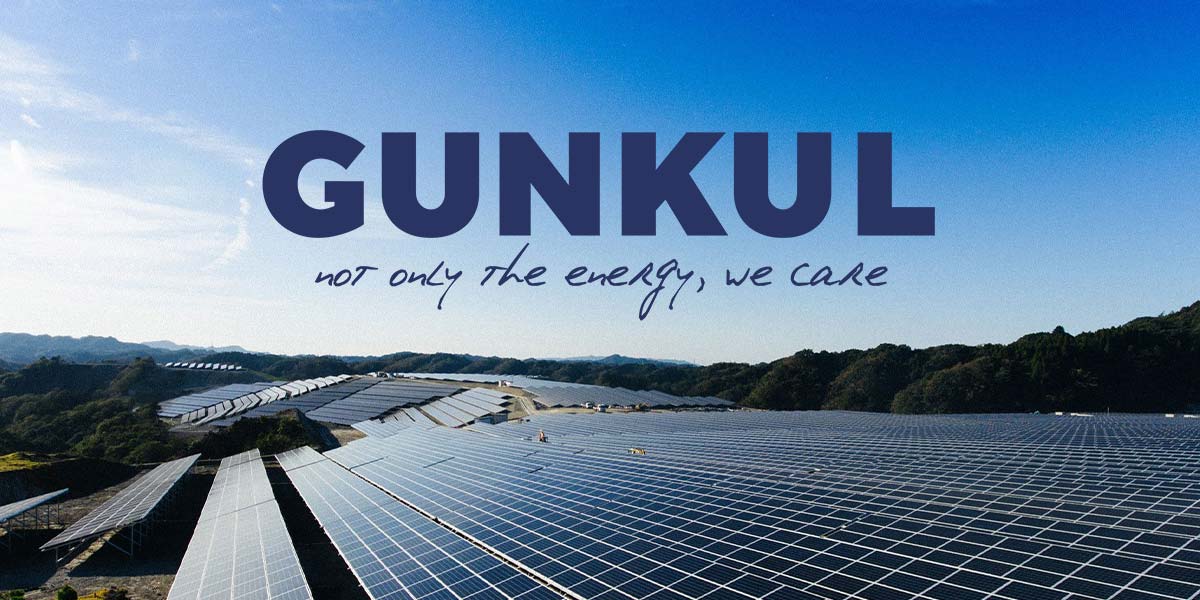
Naruechon Dhumrongpiyawut, CEO of Gunkul Engineering Public Company Limited (SET: GUNKUL), anticipates continued operational growth in the second quarter of 2026, building on first-quarter revenue of THB 2,586 million.
The growth momentum is fueled by ongoing solar project signings and increased wind volume seen in April–May compared to last year, with July also forecasted to have strong winds benefiting wind power projects. The company’s significant project backlog is expected to continue supporting revenue generation throughout the quarter.
For 2026, GUNKUL maintains its revenue target of over THB 10 billion, backed by continued investments in both existing and new projects. The company expects to finalize a Power Purchase Agreement (PPA) for its Renewable Energy Phase 2.1 project totaling 319 MW, which will increase total equity installed capacity to 1,663 MW. The goal is to further expand to 2,000 MW by 2027. GUNKUL will also begin recognizing revenue in 2026 from three new solar farm projects (176.6 MW), scheduled for commercial operation in the fourth quarter.
Beyond renewables, GUNKUL’s construction business is growing, leveraging its comprehensive services from power plants to transmission and distribution systems to maintain effective cost management.
Growth prospects are further supported by government policies, particularly a new THB 200 billion budget for clean energy infrastructure and the upcoming Power Development Plan (PDP) 2026 that focuses on clean energy transition and rising electricity demand from sectors such as data centers and semiconductors. GUNKUL is prepared to engage in initiatives such as Direct PPA and grid-scale battery energy storage systems.
Additional growth drivers include solar rooftop stimulus initiatives like tax incentives and low-interest loans, which are driving significant interest from households and SMEs. Rising electricity rates are expected to fuel even more installations in high-usage households.
Despite the electricity rates adjustment in Vietnam, where GUNKUL operates three power plants generating 5–6% of total revenue, the company remains unconcerned due to proper licensing. Nonetheless, operators are joining hands to submit complaints to the Vietnamese government, as Vietnam plans major investment expansions and this could have broader impacts. The company expects that solutions for fairness will be established.
In 2026, the company has two tranches of debentures maturing: THB 1.5 billion due in July and THB 800 million due in November. The company has prepared three options for repayment: cash flow, credit lines from financial institutions, or issuing additional debentures later this year. The company will select the most appropriate option.
Yuanta Securities (Thailand) maintains a positive long-term outlook on GUNKUL, citing entry into the power grid investment cycle and regional expansion of renewable capacity. GUNKUL’s vertical integration, which includes electrical equipment trading and engineering, procurement, and construction (EPC), positions it to win both in-house and external projects.
With a backlog reaching THB 4.5 billion at the end of 1Q26 and more than THB 20 billion in projects pending auction, the company is seen as well-positioned for further growth—even before accounting for rising demand in residential solar rooftops.
Yuanta has increased its 2027 profit forecast for GUNKUL to THB 2.5 billion, a 21% growth from 2026, rating GUNKUL as a standout pick amid the industry’s transition towards clean energy—a transition insulated from natural gas price volatility and bolstered by government backing. The broker set a target price for GUNKUL at THB 5.65, with a price-to-earnings (PER) ratio of 20x.