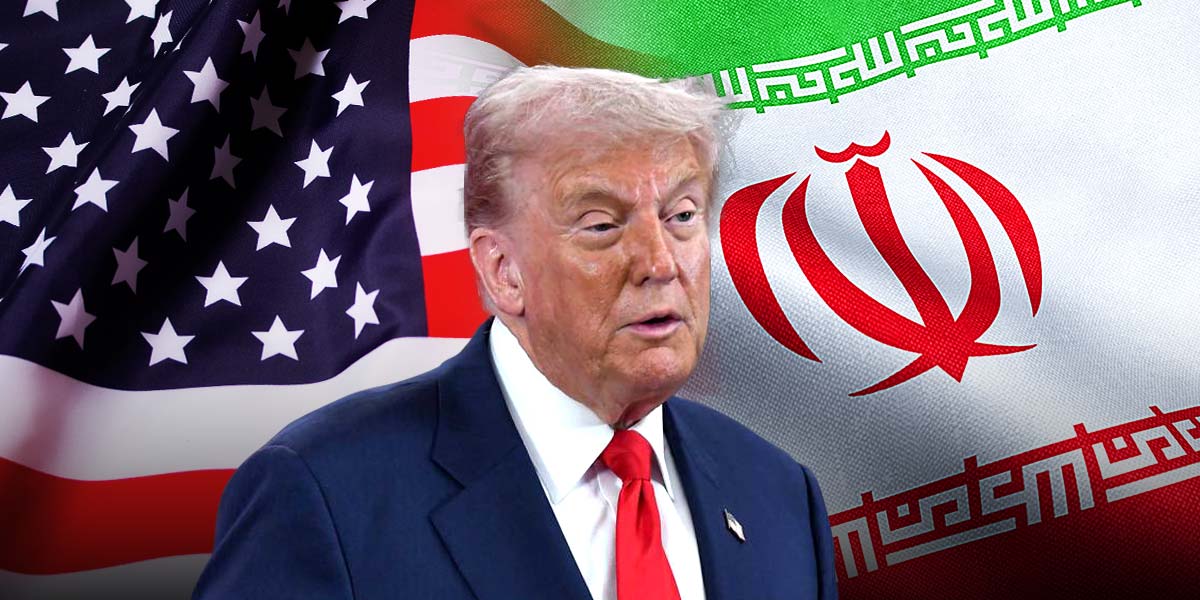
The United States has paused its military offensive against Iran after President Donald Trump announced on Saturday evening that the foundational components of a resolution are now established, leading to a temporary cessation of planned hostilities. This shift in strategy is contingent on all involved parties moving swiftly to formalize a permanent agreement.
According to the administration, the proposed arrangement centers on two primary objectives: the complete restoration of unrestricted maritime traffic through the Strait of Hormuz and the definitive elimination of Iran’s nuclear capabilities. The decision to halt the strikes was described by the President as an effort to ensure global stability and provide a path toward a functional Iranian state. Israel has confirmed its alignment with Washington regarding this pause in military operations.
The planned offensive, which reportedly targeted Iranian energy facilities, was developed following a significant deterioration in regional security over the past five months. Recent escalations included ballistic missile fire from Iran toward American personnel stationed in Jordan earlier this week. While U.S. and Saudi forces have previously retaliated against proxy groups in Iraq, the U.S. had been prepared to launch direct, large-scale strikes against Iranian territory before the latest diplomatic overture.
The pivot toward negotiations follows high-level communication from Saudi Crown Prince Mohammed bin Salman, who expressed concern to the White House regarding the scope and consequences of hitting energy-related targets. Despite the tentative diplomatic breakthrough, the U.S. State Department has maintained a high state of alert. American embassies in Jerusalem, Baghdad, and Amman have advised citizens to exercise extreme caution, warning that the volatile environment could still result in sudden travel disruptions or airspace closures.
The success of this cessation depends entirely on the speed of the upcoming negotiations. Iranian Foreign Minister Abbas Araghchi has noted that while talks may proceed, Tehran remains prepared to offer a firm response to any actions it perceives as aggression.