Yields on long-term US government bonds fell sharply on Wednesday after the Treasury Department announced it will at least double the size of its buyback program for longer-dated bonds. The move led to a surge in demand for government debt and provided reassurance to markets concerned about liquidity and supply.
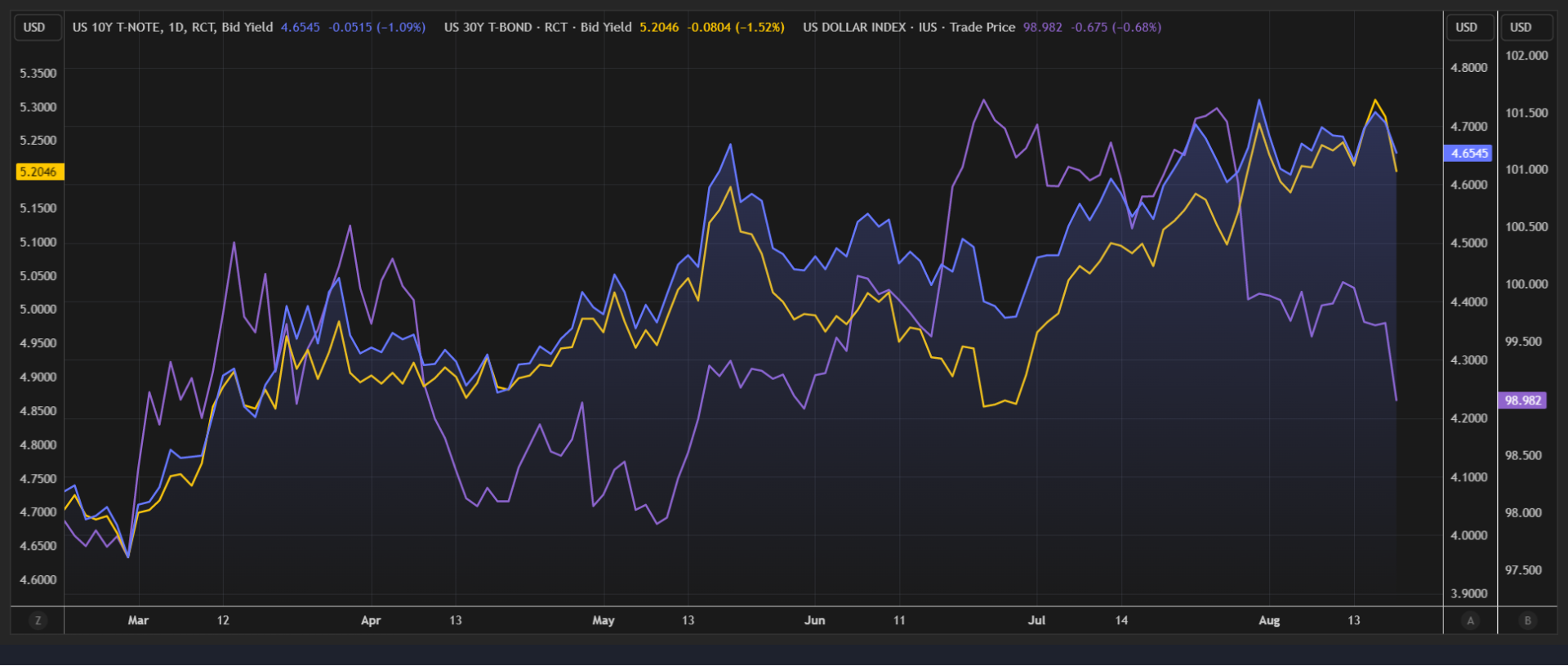
The Treasury confirmed it would increase the amount of securities purchased in its buyback operations, raising the minimum for bonds maturing between 10 and 30 years from $2 billion to at least $4 billion. The decision prompted a swift rally in long-term US Treasuries, with the yield on the 30-year bond falling by 0.085 percentage points to 5.19%, and the benchmark 10-year yield declining by 0.053 percentage points to 4.65%.
This response aims to address market apprehensions related to heightened levels of government debt, sustained high supply of government bonds, and elevated long-term borrowing costs. Growing investor demand for safety became apparent, reversing earlier selling pressure that had pushed yields to their highest levels since 2007. The 30-year yield had reached a peak of nearly 5.34% prior to the buyback news, and recent auctions have seen investors accepting the highest yields since 2001.
In its statement, the Treasury highlighted the intention to enhance liquidity at the longer end of the yield curve, a significant step given the $30 trillion size of the US government debt market. Market participants anticipate that these buybacks will be supported by the issuance of more short-term securities.
Wednesday’s announcement also impacted other asset classes, with the Dollar Index dropping 0.68% to 98.97, while gold prices climbed 3%.
While this US Treasury buyback produces a market reaction almost identical to Quantitative Easing—dropping long-term yields, weakening the US Dollar, and lifting risk assets like gold—it fundamentally differs in mechanism and funding source. Under traditional QE, the Federal Reserve acts as a central bank creating new money out of thin air to purchase long-dated bonds, permanently expanding its balance sheet and injecting net-new monetary liquidity into the financial system.
In contrast, this Treasury buyback is a fiscal balance-sheet management maneuver funded without money creation: the Treasury buys back long-term debt by issuing short-term Treasury bills (T-bills), effectively shifting the government’s debt structure rather than expanding total money supply. So, while it functions like “stealth QE” by removing long-term duration and lowering borrowing costs, it is strictly a debt-swap operation that reallocates existing liquidity rather than printing new money.