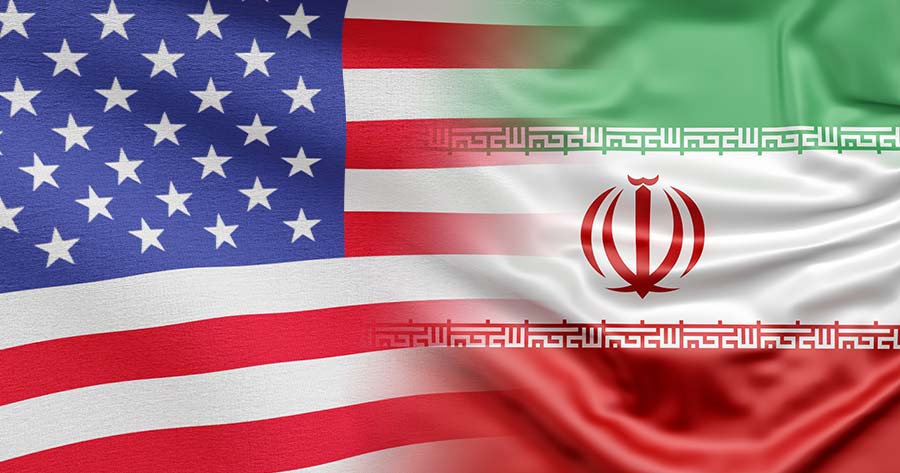
Iran announced preparations to withstand an expanded round of U.S. sanctions, with government officials expressing confidence in continued support from major trading partners. The new U.S. measures, unveiled as an “economic D-Day,” target Iran’s financial networks and threaten severe restrictions against nations maintaining business ties with Tehran.
U.S. Treasury Secretary Scott Bessent introduced the latest measures against Iran on Monday, describing them as a major financial operation aimed at stifling Iran’s revenue streams. While the announcement stopped short of the harshest penalties, Bessent stressed that countries persisting with trade could face exclusion from the American financial system. The Treasury’s strategy includes mapping out and targeting the methods used by Iran to circumvent previous sanctions, particularly for oil sales.
In his statement, Bessent warned that new actions would severely restrict the government of Iran and the Islamic Revolutionary Guard Corps from accessing funds. Entities and governments doing business with Iran, he added, should be aware of the risks of assisting with such transactions.
Despite the broad nature of the sanctions, Bessent did not specify which countries would be targeted or the timeline for enforcement, only noting that time would be allotted for compliance. The Treasury did sanction 60 more individuals, organizations, and vessels, but refrained from naming Chinese financial groups believed to have handled Iranian oil deals.
Following the announcement, Iran’s Economy Minister Ali Madanizadeh stated that the government had anticipated these measures and had devised a two-year strategy to manage their effects. He indicated that both China and Russia had declined to support the U.S. initiative and anticipated further resistance from other nations.
The escalation in sanctions comes as the U.S., under President Donald Trump, seeks to apply increased economic pressure to Iran amid an ongoing, unpopular conflict that has led to higher global energy prices. Despite decades of sanctions and economic hardship, Iran’s leadership has retained enough military capabilities to pose threats to regional security and shipping in the Gulf.
Washington has sought Chinese cooperation, as China remains a leading purchaser of Iranian oil, though U.S. port blockades have already curtailed these flows. There is hesitance in targeting Chinese banks directly, with upcoming discussions between President Trump and Chinese President Xi Jinping raising concerns about possible Chinese countermeasures, particularly regarding sensitive mineral trade.