
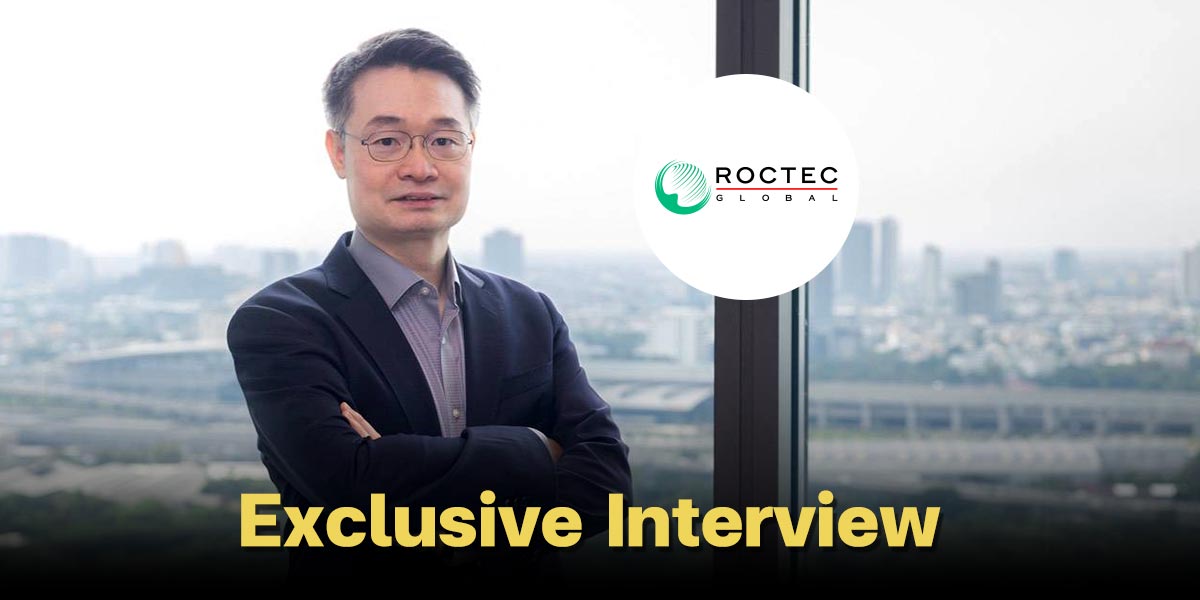
Consistent growth in top and bottom line has underlined the success of ROCTEC Global Public Company Limited (SET: ROCTEC) in transforming its business from outdoor advertising into an ICT solutions provider, with technology now accounting for approximately 85% of its revenue. Having established a strong position in Hong Kong’s railway technology market, the company is focusing on expanding its system integration and infrastructure services as demand for digital solutions develops across the region.
Its competitive position is particularly strong in Hong Kong, where ROCTEC reports a leading market share in railway IoT system solutions and railway cybersecurity. It also holds a significant share of the market for railway information display systems. The company has developed these capabilities through decades of work with major transportation operators, particularly Hong Kong’s MTR network.
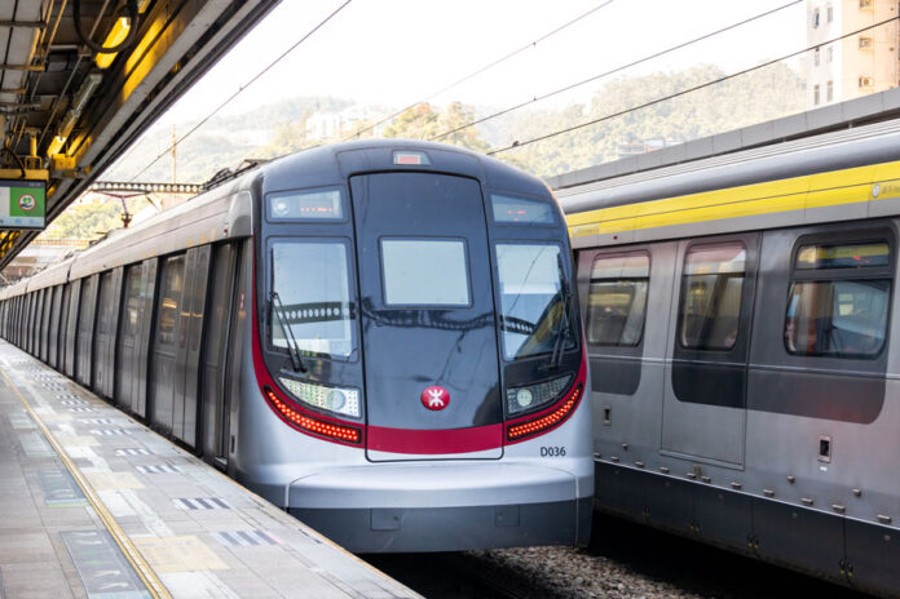
Building on its established business as a foundation for growth, ROCTEC is also looking to broaden its capabilities beyond transportation. The company’s strategy centers on specialized ICT solutions supported by in-house research and development (R&D), with artificial intelligence applications offering another avenue for expansion.
Expanding Across Regional Infrastructure Markets
Mr. Weng Sam Lam, Chief Executive Officer of ROCTEC Global, said the company’s approach in regional markets is to continuously assess operating environments and identify systems that customers may need as infrastructure projects move into service. Once a railway or other infrastructure project begins operating, new requirements often emerge around monitoring, communication, safety and operational efficiency, creating opportunities for specialized providers such as ROCTEC.
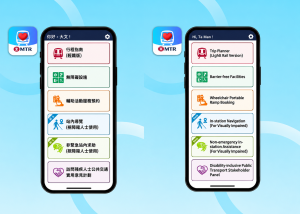
One recent example is a platform that coordinates assistance for passengers using wheelchairs. The system provides precise information to station personnel, allowing them to prepare assistance at the appropriate location and time. Another application uses sensors and wireless connectivity to monitor train positions inside depots, replacing conventional manual monitoring with real-time digital information and enhancing safety and efficiency in depot operations.
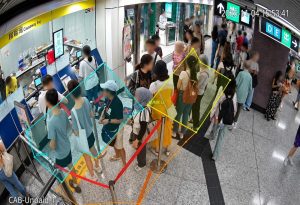
These systems demonstrate the importance of accurate monitoring, data integration and timely communication in railway operations. Such requirements also create technical barriers to entry, as solutions must be customized and integrated with existing infrastructure rather than simply supplied as off-the-shelf equipment.
Thailand is becoming an increasingly important market for the company. ROCTEC is nearing completion of a telecommunications network system project for the State Railway of Thailand (SRT), its largest government contract to date. This project will give ROCTEC a stronger reference point as it looks to expand its presence in the government sector. The company sees potential for further infrastructure-related projects, where its experience in railway communications, network systems and technology integration could be applied to other public-sector requirements.
Vietnam is another market where ROCTEC is developing its presence, particularly through digital display projects. However, opportunities in railway technology remain at an initial stage as the country’s urban rail network continues to develop and operating requirements become clearer.
Stronger Financial Performance and Growth Outlook
The company’s latest results show that transportation technology is already contributing to financial growth. In the second quarter of FY 2026/27 ended September 2026, revenue increased 1.5% year over year to THB832 million, while net profit rose 6.4% to THB130 million.
Gross profit climbed 8.6% to THB257 million, with the gross profit margin improving to 30.9% from 28.9%. ROCTEC also reported that 83% of its FY2026/27 revenue target had been secured as of September 2026, comprising 48% already recognized and 35% in backlog.
Management expects continued top-line growth and resilient net profit performance, supported by its specialized ICT capabilities and a more favorable mix of projects. The company is targeting high-single-digit revenue growth and further strengthening of margins in both the current financial year and the next, reflecting confidence in demand for infrastructure-related technology solutions.
AI and Robotics Offer Longer-Term Opportunities
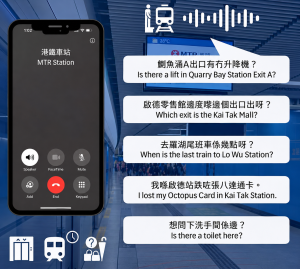
Beyond conventional railway systems, ROCTEC is positioning itself to participate in the development of AI-enabled infrastructure. In Hong Kong, the company has helped implement an award-winning AI-powered customer service hotline for MTR, with the system now deployed across most stations. In Thailand, it is testing a similar application in a smaller scale, with the possibility of wider deployment if the results meet expectations.
Robotics offers another potential avenue. ROCTEC has participated in a humanoid robot pilot at a Hong Kong high-speed rail station, where the robot interacts with passengers and provides assistance, using customized robot control system developed by ROCTEC.

HelloLED Proceeds and Strategic Flexibility
The planned divestment of ROCTEC’s stake in HelloLED to Plan B is another important consideration for the company’s next phase. Mr. Lam said the two parties remain in regular communication and are working toward completing the transaction in accordance with the agreed contractual timeline next year. The deal is expected to generate approximately THB2 billion for ROCTEC.
Management is considering how best to deploy the proceeds, including investments in AI and robotics, developing in-house technology and equipment, or pursuing acquisitions if suitable opportunities arise. Retaining the funds as cash is also an option while the company evaluates potential investments. A special dividend has not been ruled out, although any distribution would ultimately depend on shareholders’ decision.
The company is also keeping M&A under consideration as part of its expansion strategy. Potential acquisitions would need to complement ROCTEC’s existing capabilities or provide access to technologies and expertise that could support its development beyond transportation. Management has not identified a specific target, indicating that any transaction would depend on finding an appropriate opportunity rather than pursuing acquisitions simply to expand the business.
For now, ROCTEC’s growth remains anchored in transportation infrastructure, supported by railway upgrade projects, maintenance and ongoing system enhancements. Its debt-free balance sheet provides financial flexibility to pursue new opportunities, while its established technical capabilities give it a foundation to serve infrastructure operators and government customers as their digital requirements evolve.
As regional infrastructure networks become more connected and increasingly reliant on digital systems, ROCTEC’s ability to identify and deliver solutions as customer needs emerge will be central to sustaining its growth. AI and robotics could provide additional upside as those applications become commercially viable.
Mr. Lam believes the market has yet to fully recognize ROCTEC’s potential, particularly as the company continues to develop its capabilities and broaden its exposure to infrastructure-related technology. With an established operating base, proven records in Hong Kong, a growing project pipeline and new applications in AI and robotics, ROCTEC is seeking to sustain its growth over the coming years.