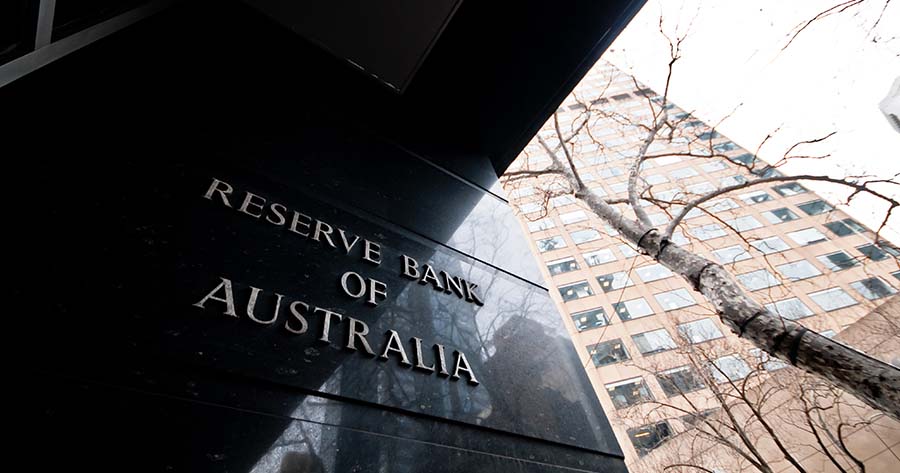
The Reserve Bank of Australia (RBA) has raised its key interest rate by 25 basis points to 4.1%, marking the highest level since April 2025. The move comes as persistent inflation pressures and geopolitical tensions in the Middle East increase risks of further price rises, drawing close attention from investors.
The central bank delivered its second consecutive policy rate increase on Tuesday, aligning with forecasts from surveyed analysts in a Reuters poll. Inflation in Australia has remained elevated above the RBA’s 3% target range, with the latest data showing quarterly inflation at 3.6% and January’s monthly figure at 3.8%, slightly above expectations.
In its policy statement, the RBA noted that while consumer price gains have moderated since 2022, inflation accelerated in the latter part of 2025. The central bank cited ongoing turmoil in the Middle East as a fresh source of inflationary pressure for both global and domestic markets. Furthermore, officials expect the prices to stay above target for an extended period.
HSBC’s chief economist, Paul Bloxham, stated that the rate increase was principally driven by persistent domestic inflation and continued tightness in Australia’s labor market. According to Bloxham, limited slack in the labor force and robust output left the RBA with little room to delay policy action despite geopolitical uncertainties.
The decision to raise rates was narrowly approved by the central bank’s governing board, with five votes in favor and four opposed. RBA Deputy Governor Andrew Hauser underscored the challenge of elevated inflation and projected that price increases would not return to the target range until late 2026 or 2027.
The RBA had previously estimated headline inflation to reach a peak of 4.2% by mid-2026 before gradually easing below 3% during 2027; however, Hauser indicated these projections may be revised upward in light of recent oil price shocks attributed to the Iran war.