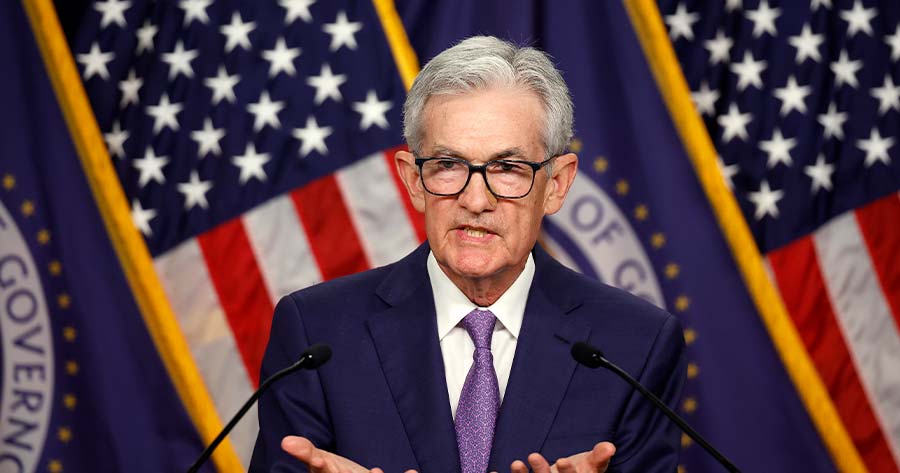
The Federal Reserve is widely anticipated to maintain current interest rates at its upcoming policy meeting on March 18, as investors adjust expectations in response to recent economic and geopolitical developments. Shifts in futures pricing point to little likelihood of a rate reduction in the near term, underscoring growing uncertainty about the Fed’s path forward.
Market participants have largely ruled out the possibility of an interest rate cut at this week’s Fed meeting, with futures data indicating that policymakers may not begin easing until September or October at the earliest—and even then, only projecting a single adjustment this year with a probability of around 40% for a cut in both meetings.
Earlier in the year, investors had priced in a greater chance of a first cut by June, with the expectation of at least one additional reduction before year-end, according to the CME’s FedWatch tool. However, recent geopolitical tensions and their effects on oil prices and inflation forecasts have caused traders to reassess the likely trajectory for monetary policy.
While Fed officials often discount short-term oil price swings caused by conflict, the recent attacks and resulting market volatility have led to a recalibration of expectations. At present, the probability of a rate increase over the coming quarter now exceeds the likelihood of a rate cut—a stark reversal from the sentiment just a month ago.
Investors and analysts will be closely monitoring Chair Jerome Powell’s remarks for any signals regarding future policy direction.