Thailand has captured more than $26.8 billion (approx. 900 billion baht) in investment applications for its semiconductor and advanced electronics sectors over the past three years, cementing its position as a primary beneficiary of global supply chain diversification away from traditional manufacturing hubs.
Driven by accelerating global demand for artificial intelligence, next-generation semiconductors, electric vehicles, and high-performance computing, Thailand has drawn 880 high-tech projects between 2023 and mid-2026. A major catalyst is the printed circuit board (PCB) sector, which accounts for $9.85 billion (approx. 331 billion baht) across 224 projects, according to the Thailand Board of Investment (BOI).
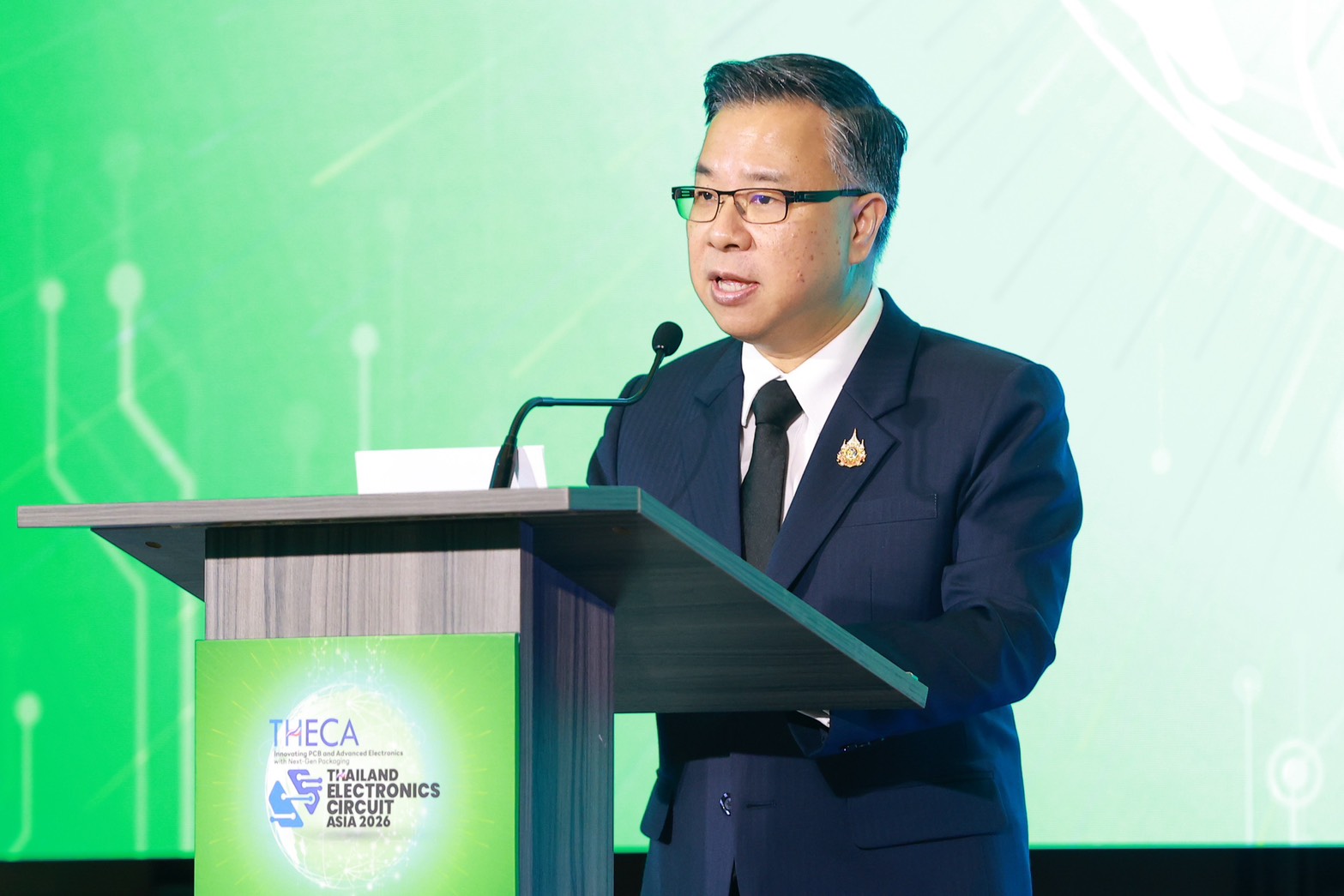
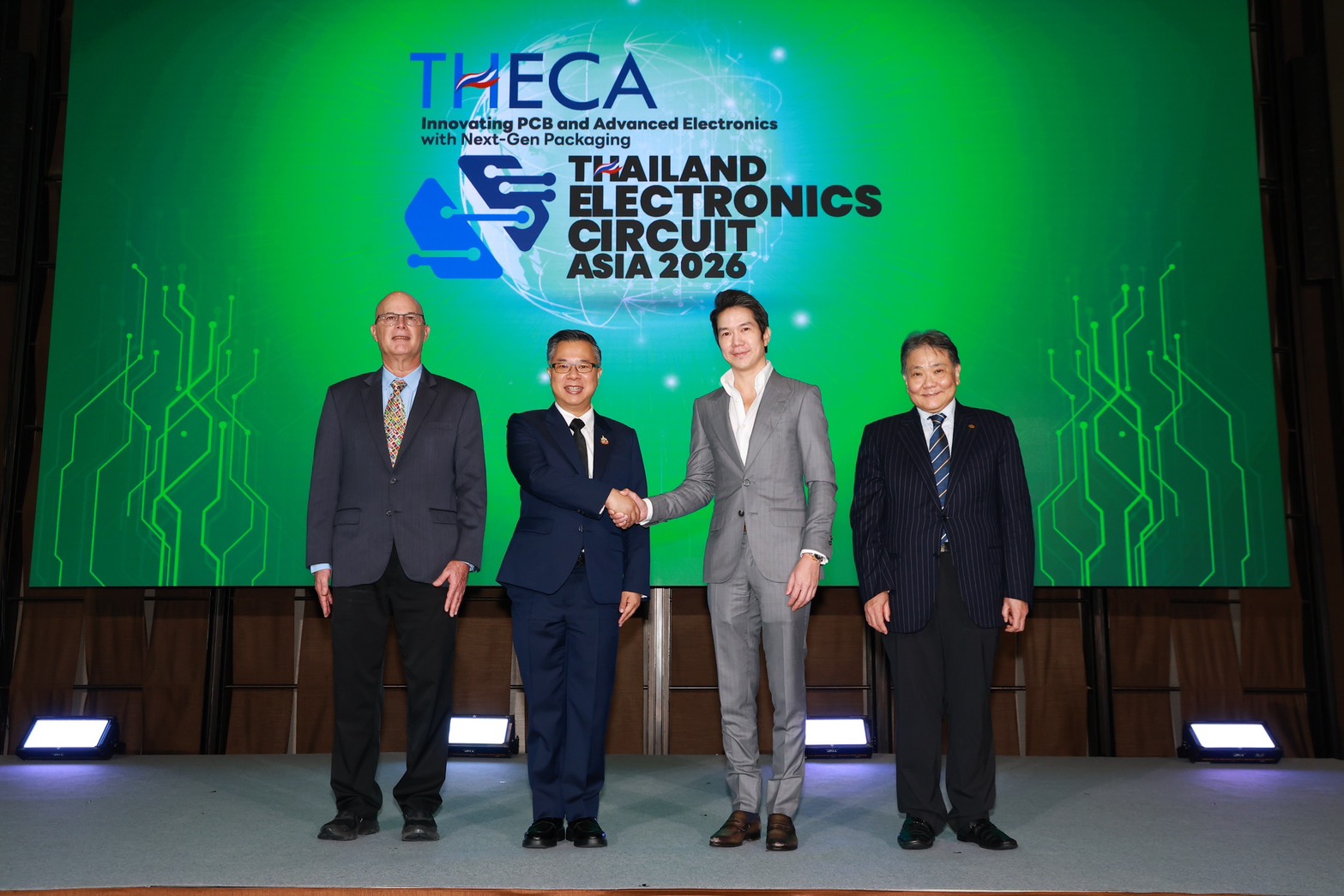
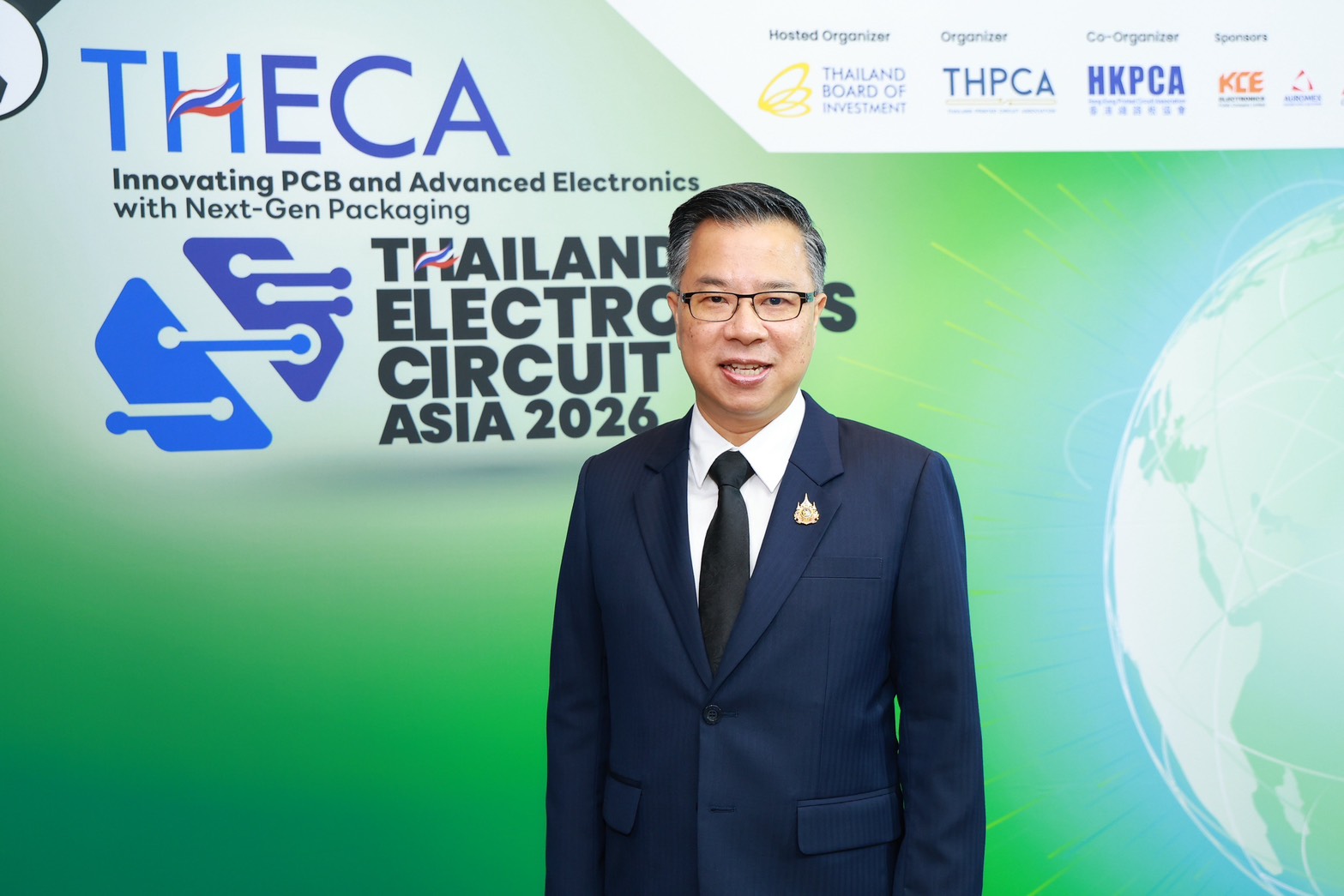
“Amid global supply chain restructuring, Thailand has emerged as a premier global manufacturing base for printed circuit boards,” said Mr. Narit Therdsteerasukdi, Secretary General of the Thailand Board of Investment (BOI). “More than half of the world’s top PCB manufacturers have now selected Thailand as their production base and are actively expanding operations here to integrate local suppliers into the global tech ecosystem.”
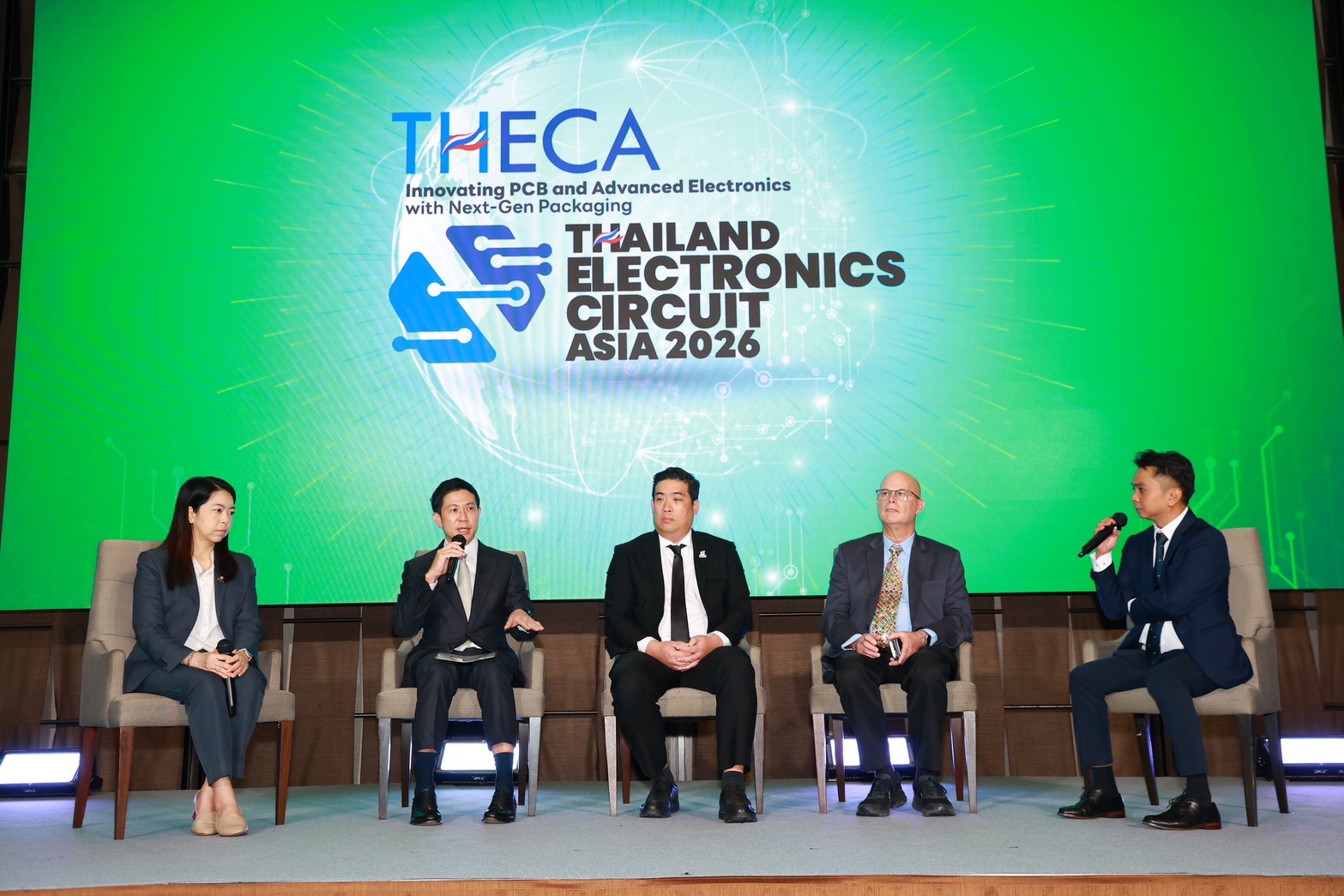
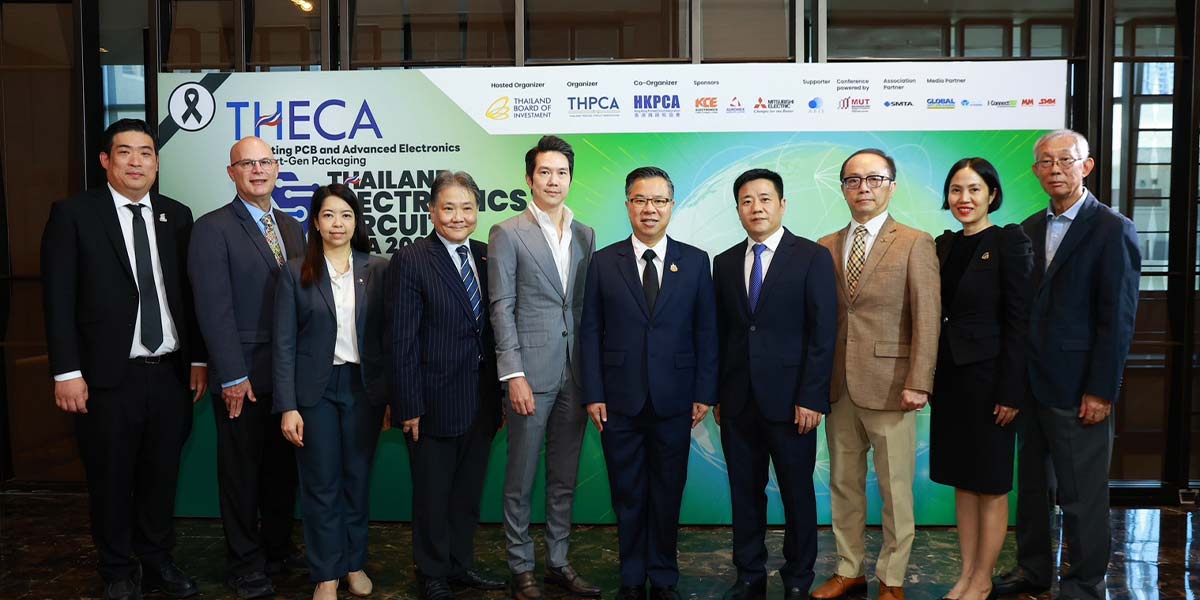
To solidify this momentum, the BOI, together with the Thailand Printed Circuit Association (THPCA) and the Hong Kong Printed Circuit Association (HKPCA), will host Thailand Electronics Circuit Asia (THECA 2026) from August 26–28 in Bangkok. The international trade exposition is expected to gather more than 300 global enterprises and 7,000 industry professionals.
The expansion comes as Thailand’s advanced electronics market is projected to reach between $48 billion and $52 billion in total value in 2026.

“High-value segments are driving this market expansion, with semiconductors and advanced packaging projected to grow by 15% to 20% annually,” said Mr. Pitharn Ongkosit, President of the Thailand Printed Circuit Association. “At the same time, demand for AI server and data center infrastructure is surging by up to 22% per year, signaling that advanced electronics is becoming a core driver of Thailand’s industrial economy.”
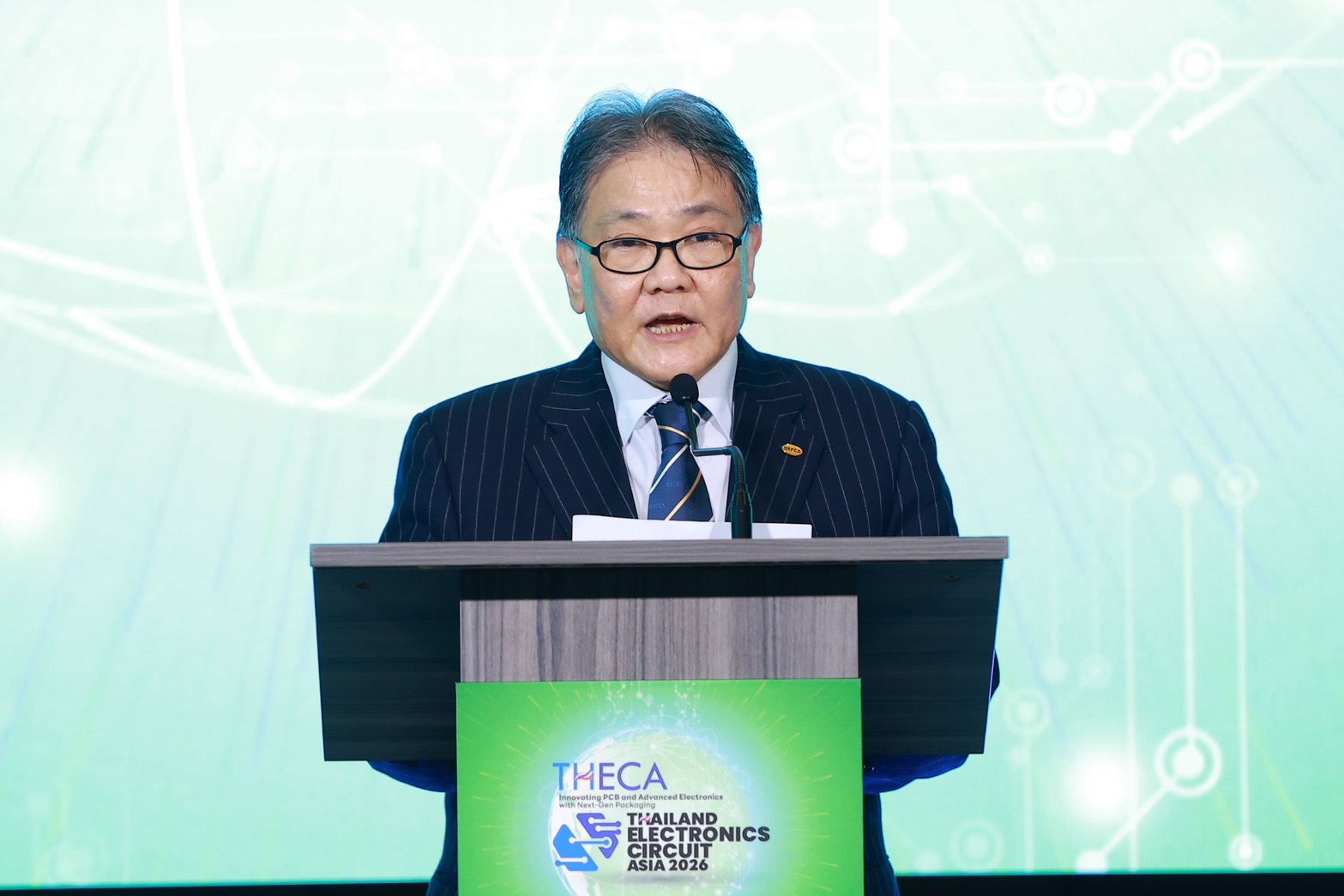
“Asia is rapidly consolidating its role as the backbone of the global electronics supply chain,” said Mr. Canice Chung, Chairman of the Hong Kong Printed Circuit Association. “Cross-border integration is critical to sustaining the expansion of AI, semiconductors, and advanced electronics, with Thailand serving as a crucial regional gateway for international suppliers and buyers.”
To resolve skilled labor shortages—a primary bottleneck for advanced manufacturing relocation—the Thai government and industrial groups are launching dedicated talent initiatives alongside the event. The BOI and the Office of National Higher Education, Science, Research and Innovation Policy Council (NXPO) are establishing a talent-matching framework to align local engineering and technical workforces with international manufacturing standards required by multinational tech OEMs.
The event will also feature technical forums on Edge AI and future mobility, positioning Thailand’s domestic supply chain to supply critical components for global markets, ranging from consumer electronics to autonomous systems.
“Beyond establishing Thailand as a regional hub for advanced manufacturing, our primary mandate is integrating local enterprises into global value chains,” Mr. Narit added. “This transition will elevate advanced electronics into a high-value growth engine driving long-term economic expansion.”