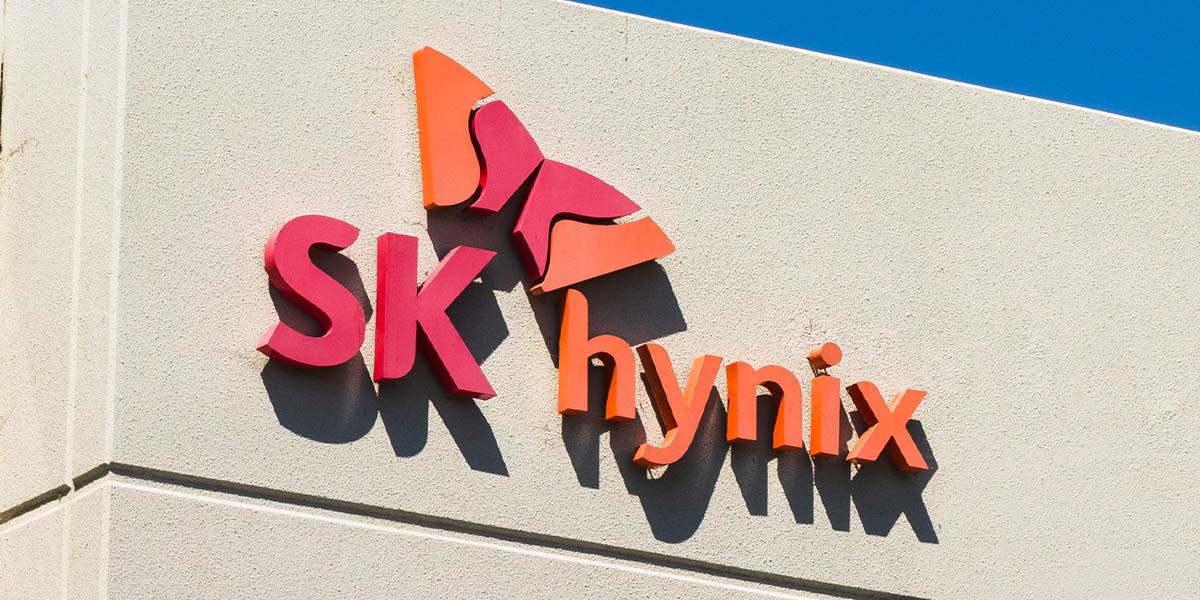
SK Hynix, South Korea’s leading memory chip manufacturer, unveiled plans to allocate KRW 19 trillion towards the establishment of an advanced chip packaging plant in Cheongju, marking a significant move to ramp up capacity amid surging artificial intelligence demand.
Construction of the facility will commence in April, with the company targeting project completion by the close of 2027, according to a corporate statement. The new plant will focus on advanced packaging technologies—integrating multiple memory chips into a single, compact unit to enhance both energy efficiency and performance, while reducing chip size.
The investment comes as SK Hynix attempts to meet demand for high-bandwidth memory (HBM), a key component in AI processors supplied to industry giants such as the U.S.-based Nvidia. As the race to supply AI-related memory intensifies, SK Hynix and main competitor Samsung Electronics have both announced substantial increases in HBM production.
Industry forecasts, cited by SK Hynix, project a compound annual growth rate of 33% for the HBM sector between 2025 and 2030. However, manufacturing HBM is considerably more complex than standard memory chips typically used in consumer electronics.
The sector’s shift towards supporting soaring AI workloads has constrained supply for traditional memory, fueling price increases and elevating concerns over potential cost escalations across a range of electronic products.
Taipei-based market intelligence firm, TrendForce, estimated last week that average prices for dynamic random access memory—including HBM—are set to jump by 50% to 55% this quarter, compared to the fourth quarter of 2025.
While the inflation in memory pricing poses difficulties for electronics manufacturers, it has translated into robust financial results for chip producers. Samsung recently projected its operating profit for the December quarter would almost triple year-on-year.
SK Hynix, meanwhile, is weighing the possibility of a U.S. stock market debut, following a stellar performance for its Seoul-listed shares in 2025. The firm’s shares have climbed approximately 13% since the beginning of 2026, although they slipped around 1.4% on Tuesday.