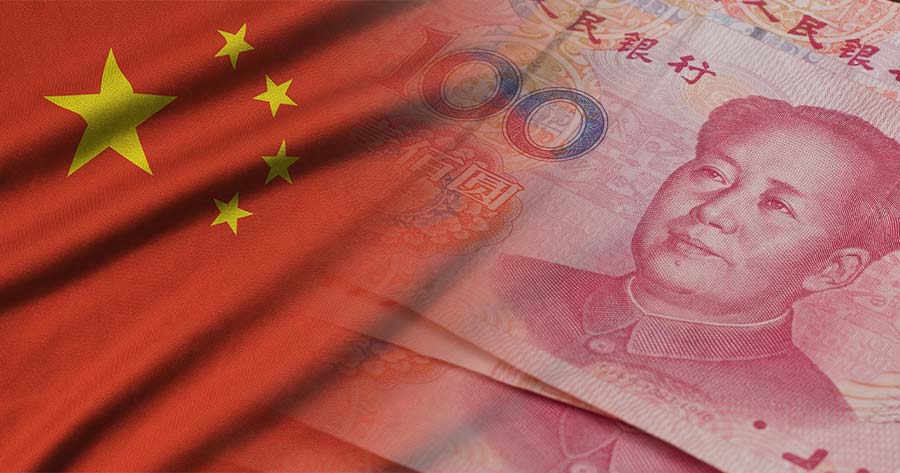
Chinese savers are seeking more lucrative investment options as large funds of approximately $7 trillion in time deposits are due this year, prompting a reallocation of funds that could have a significant impact on the country’s financial markets.
The movement of capital follows years of subdued real estate and equity returns that pushed households towards secure but low-yield bank deposits, which are now facing interest rates near 1%.
Households are reassessing where to place their capital as deposit rates fall, with increasing interest in equities, wealth management solutions, and insurance products. This trend aligns with Beijing’s objective to encourage stable, long-term gains in domestic markets and support overall economic recovery efforts.
According to individuals with knowledge of the situation, leading insurance companies are experiencing exceptional inflows as investors prioritize steady returns amid a prolonged low-rate environment.
The growing appetite for higher-yield investments can also be seen in the stock market, which has staged a robust recovery; Chinese equities have added over $1 trillion in market capitalization over the previous month. Stock indices, especially those representing the technology sector such as the Star 50 Index, have seen sharp rallies—posting gains above 12% so far in 2026.
Simultaneously, gold has rallied to record highs, with strong participation from Chinese investors contributing to the upward momentum.
Analysts point out that this migration from savings to risk assets could be gradual and indirect, in line with policymakers’ preference for a sustainable wealth generation and consumer spending growth.
Research from HSBC last year noted that household savings in China reached $22 trillion, with about $7 trillion considered excess savings. Analysts anticipate a notable share of these funds to return to financial markets over time, contributing to broader market dynamics.
As China shifts focus from traditional savings to diversified investments, this reallocation is expected to influence both domestic and international markets, as well as corporate strategies globally.