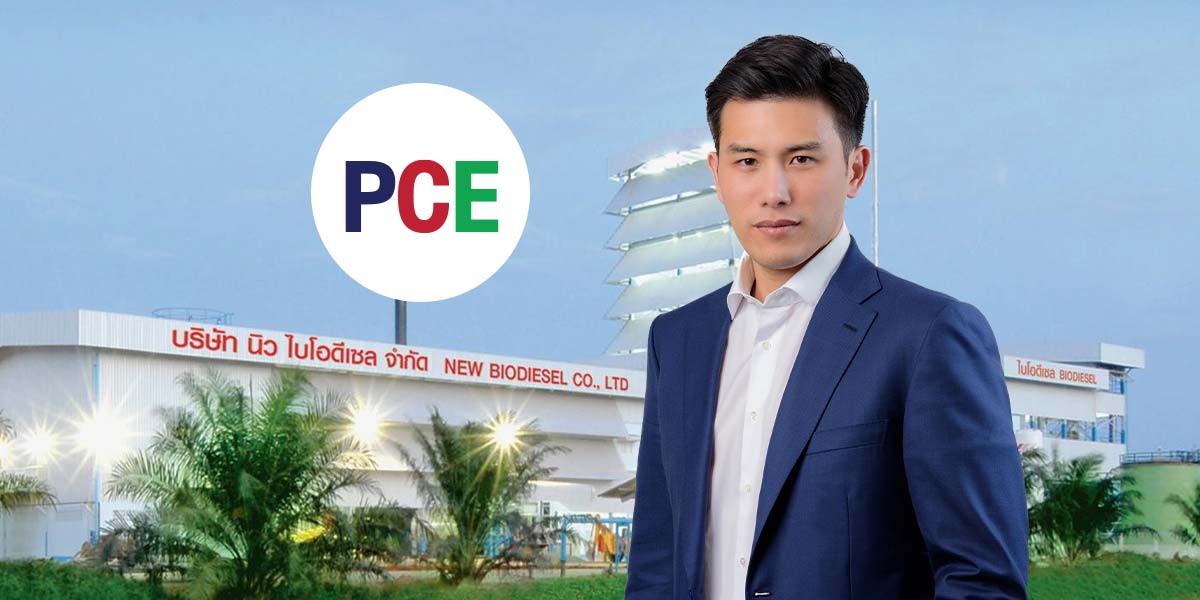
Mr. Pornpipat Prasitsupaphol, Chief Strategy Officer of Petchsrivichai Enterprise Public Company Limited (SET: PCE), stated that in the first quarter of 2026, Thailand’s crude palm oil industry experienced a significant increase in both fresh palm fruit output and crude palm oil volumes.
This growth was attributed to favorable weather conditions at the end of 2025, resulting in higher national crude palm oil inventories. At the same time, energy sector demand began to play a more prominent role, following the government’s introduction of B7 biodiesel in mid-March, with B20 also being provided as an alternative.
For the first quarter of 2026, PCE recorded total revenue of THB 5,206 million. Revenue from crude palm oil grew by 7.8% year-on-year, while revenue from refined, bleached, and deodorized palm oil increased by 25.0% year-on-year. This performance reflects the company’s strategy to increase the proportion of higher-value-added downstream products.
PCE reported a net profit of THB 6.7 million, which declined compared to the same period last year. Mr. Pornpipat explained that this decrease was due to accounting items related to changes in the fair value of derivatives associated with foreign exchange forward contracts.
These are non-cash items and do not accurately reflect PCE’s underlying operating performance, which continues to show positive growth. He noted that these exceptional items are expected to diminish in the second quarter of 2026 following the completion of exports and receipt of payment for goods delivered.
PCE’s gross profit increased sharply to THB 223.3 million, up 80.4% from the previous year. The gross profit margin (GPM) improved to 4.3%, compared to 2.3% for the same period last year. This improvement demonstrates the company’s effective cost management and enhanced product mix in certain segments, particularly for higher-value downstream products.
Mr. Pornpipat acknowledged that the palm oil industry continues to face price volatility due to geopolitical tensions in the Middle East, the closure of the Strait of Hormuz, global economic uncertainties, and fluctuating exchange rates. Nevertheless, PCE remains focused on driving growth under the JUMP+ program, which aims to enhance production efficiency, increase the proportion of value-added products, and strengthen supply chain resilience. The company is also expanding core product revenues and has set a medium- to long-term net profit target of THB 750–800 million by 2028.
In addition to financial performance, Mr. Pornpipat highlighted the company’s efforts in ESG (Environmental, Social, and Governance) during the first quarter. Initiatives include supporting local farmers, developing traceability systems, optimizing resource utilization, and caring for surrounding communities. These measures reflect PCE’s ongoing commitment to balancing business growth, risk management, and social and environmental responsibility.