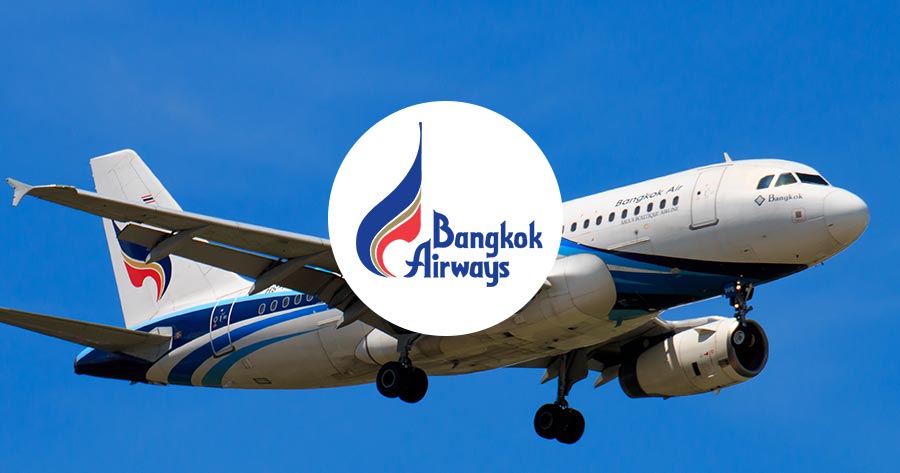
Bangkok Airways Public Company (SET: BA) reported a resilient second quarter for 2026, with total revenue rising 5.5% year-on-year to THB 6,052.5 million. However, the bottom line faced pressure from volatile energy prices and regional instability, resulting in a net profit of THB 332.6 million, an 18% decline from the same period last year. While operational margins were squeezed, the company’s diversified income streams and aggressive capacity management provided a vital cushion.
Key Financial Highlights:
- Total Revenue: THB 6,052.5 million (+5.5% YoY).
- Net Profit: THB 332.6 million (-18% YoY).
- Passenger Load Factor: 75.2% (+5.6 percentage points).
- Dividend Income: THB 490.9 million (+60.4% YoY).
The airline business unit navigated a softening tourism market by prioritizing yield over volume. Passenger numbers dipped 1.6% to 900,000, yet average airfares were hiked by 4.2% to partially absorb rising costs. By slashing seat capacity by 7.1%, BA successfully boosted its passenger load factor to 75.2%. Conversely, airport-related revenues saw a slight 1.3% decline, primarily due to a drop in flight movements served for third-party carriers.
The quarter’s earnings narrative was dominated by a 49% surge in fuel expenses, which drove an 11.7% increase in total costs. Operating profit subsequently fell 39.3% to THB 543.1 million. The impact was mitigated by non-recurring and non-operational gains, most notably a 60.4% spike in dividend income from marketable securities. Foreign exchange losses also narrowed significantly, down 79.5% to THB 23.7 million.
BA maintains a solid liquidity position with THB 8,934.8 million in cash and equivalents, despite active debt repayments and a THB 1,452 million dividend payout during the first half. The company’s earnings per share (EPS) for the quarter stood at THB 0.16, contributing to a strong 1H26 EPS of THB 1.17.
Management is doubling down on long-term growth, recently approving a THB 2 billion investment commitment in U-Tapao International Aviation. Near-term strategy remains defensive, with continued flight frequency adjustments and aircraft downsizing to turboprops on routes where demand remains soft due to geopolitical tensions.