For decades, the global trade landscape was defined by a gravitational pull toward Washington. But in January 2026, the world witnessed a profound and likely permanent rupture. From the podiums of Davos, the message from the world’s middle powers is no longer one of polite concern—it is a declaration of independence.
The recent maneuvers by Canadian Prime Minister Mark Carney and Indian Prime Minister Narendra Modi represent more than mere policy shifts; they are a survivalist response to an era where trade is used as a weapon of coercion.
The Great Pivot
The most jarring of these shifts remains the “Canada-China Economic and Trade Cooperation Roadmap.” By securing a reset that slashes tariffs on Canadian canola while opening doors for affordable Chinese electric vehicles, Prime Minister Carney has done the unthinkable: he has prioritized Canadian market diversification over the direct threats of a 100% retaliatory tariff from the Trump administration.
This is not a “betrayal” of North American ties, but a cold-eyed recognition of what Carney termed a “brutal reality” during his address at the World Economic Forum last week. When traditional allies weaponize supply chains and financial infrastructure, the “rules-based order” ceases to exist. In its place, Canada is pursuing “variable geometry”—building flexible, issue-based coalitions that serve national interests rather than historical sentiments.
The “Mother of All Deals” Finalized
While the Canadian pivot sent shockwaves through the West, the finalization of the India-EU Free Trade Agreement (FTA) today has fundamentally redrawn the global map. This “Mother of All Deals” creates a free trade zone of 2 billion people, representing a quarter of global GDP.
The specifics are aggressive: India has officially slashed import duties on European cars from 110% to 40% immediately, while over 90% of Indian exports now enjoy duty-free access to the European market. More importantly, the deal includes a first-of-its-kind Security and Defense Strategic Partnership, allowing Indian firms to integrate into European defense programs.
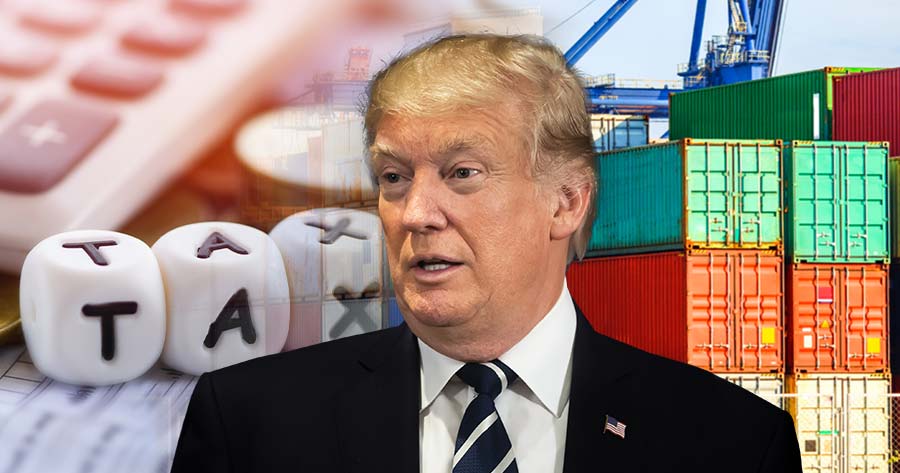
By aligning closer with Brussels, New Delhi is actively insulating itself from the volatility of U.S. protectionism. With Indian textiles already facing 50% U.S. duties, the logic is clear: the risk of alienating a protectionist Washington is now lower than the risk of being dependent on it.
The Davos Doctrine: Table or Menu?
This emerging “Third Path” is being forged by a diverse group of nations—including the EU, Australia, and Brazil—who are tired of being collateral damage in great-power disputes. As Carney famously warned in Davos, “middle powers must act together because if we’re not at the table, we’re on the menu.”
The Cost of Autonomy
To be sure, this realignment carries immense risk. The world risks fragmenting into a “world of fortresses” that could stifle global innovation. However, today’s announcement in New Delhi proves that the world is moving on.
The U.S. may still possess the world’s largest economy, but it is losing its role as the world’s indispensable partner. As middle powers stop invoking the “rules” of the past and start building the architecture of the future, the global order isn’t just changing—it is being rebuilt without an American blueprint.