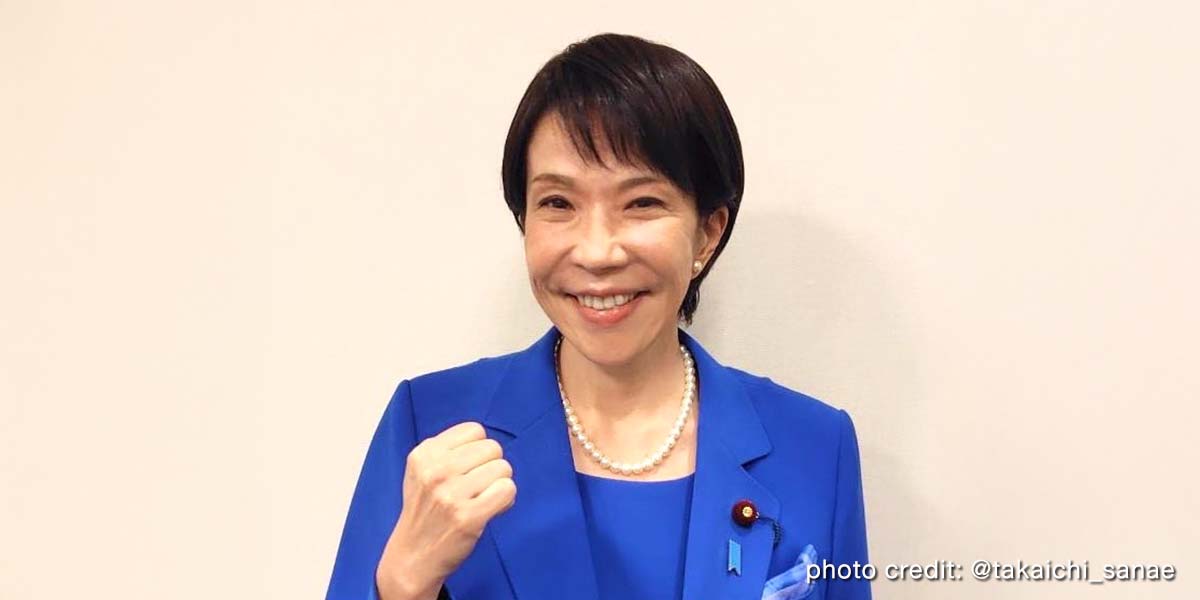
Japanese Prime Minister Sanae Takaichi announced that she will dissolve the parliament on Friday, paving the way for a general election to take place on February 8. The move is aimed to secure public support for her proposed increases in government spending, aimed to support the nation’s large-scale economy.
The upcoming parliamentary election will determine all 465 seats in Japan’s lower house and will serve as Takaichi’s inaugural test as prime minister following her appointment last October. While the Liberal Democratic Party (LDP) has maintained a dominant position in Japanese politics for decades, its coalition with the Japan Innovation Party (JIP) currently controls just 199 seats, a narrow hold on the House of Representatives.
Takaichi’s decision to call an early election is seen as a bid to leverage her cabinet’s popularity to reinforce her leadership within the ruling party and strengthen the coalition’s tenuous hold on the House of Representatives. Analysts note that if the LDP alone secures a majority, Takaichi would be positioned to advance her policy agenda without relying on support from coalition partners.
The election outcome will also reveal how voters respond to proposals for increased government expenditure. A recent NHK poll found that rising living costs remain the foremost concern for the public. Takaichi is targeting quick approval for a record 122.3 trillion yen budget for the fiscal year beginning April 2026, designed to help address inflationary pressures.
Heightened tensions with China have added complexity to the upcoming vote. Takaichi has faced criticism from Beijing following remarks on Japan’s potential military response in the event of a conflict involving Taiwan. Since then, China has imposed several response measures, including restrictions on exports of dual-use goods and limited the supply of rare earth materials to Japan, which has impacted several key industries.