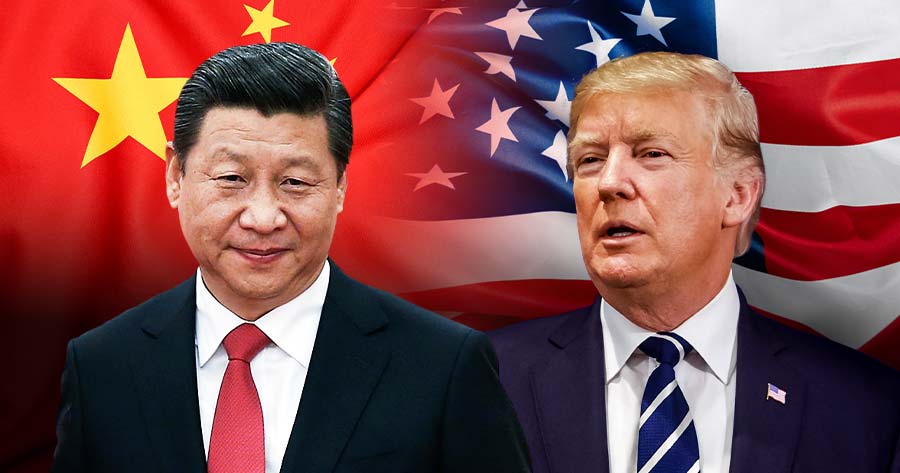
The White House has outlined goods that could receive lower tariffs under a US-China arrangement covering about $30 billion in imports in each direction. The disclosure followed talks in Washington between President Donald Trump and Chinese President Xi Jinping.
The proposed US list includes consumer and recreational items such as fireworks, toys, sports gear and household goods. Products identified for China’s side include meat, seafood, dairy, grain, coal, timber and medical equipment, according to the US statement.
Beijing has not issued its own list or verified the items named by Washington. In a September 28 statement, China said any tariff reductions would be carried out at the same time once required domestic legal steps had been completed.
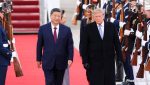
The tariff proposal came after Trump and Xi concluded a three-day state visit on Friday, marking the first trip to the White House by a Chinese president in 11 years. The visit placed heavy emphasis on ceremony and the personal relationship between the two leaders, while producing few major policy outcomes.
Their main concrete result was a limited two-month extension of an existing trade pause. That arrangement originated after the two leaders met in Busan, South Korea, and included reduced US tariffs as well as a halt to Chinese export controls on rare earths and critical minerals, among other measures.
During the summit, Trump and Xi also discussed Iran, Ukraine and Taiwan. However, the meetings did not yield commitments on major purchases or agreements on managing artificial intelligence risks, the war in Iran, or other unresolved global issues.
The absence of an AI accord stood out after senior technology executives attended a White House state dinner on Thursday. Some experts and foreign governments had expected movement on the issue, given warnings about the potential danger posed by advanced AI systems.