
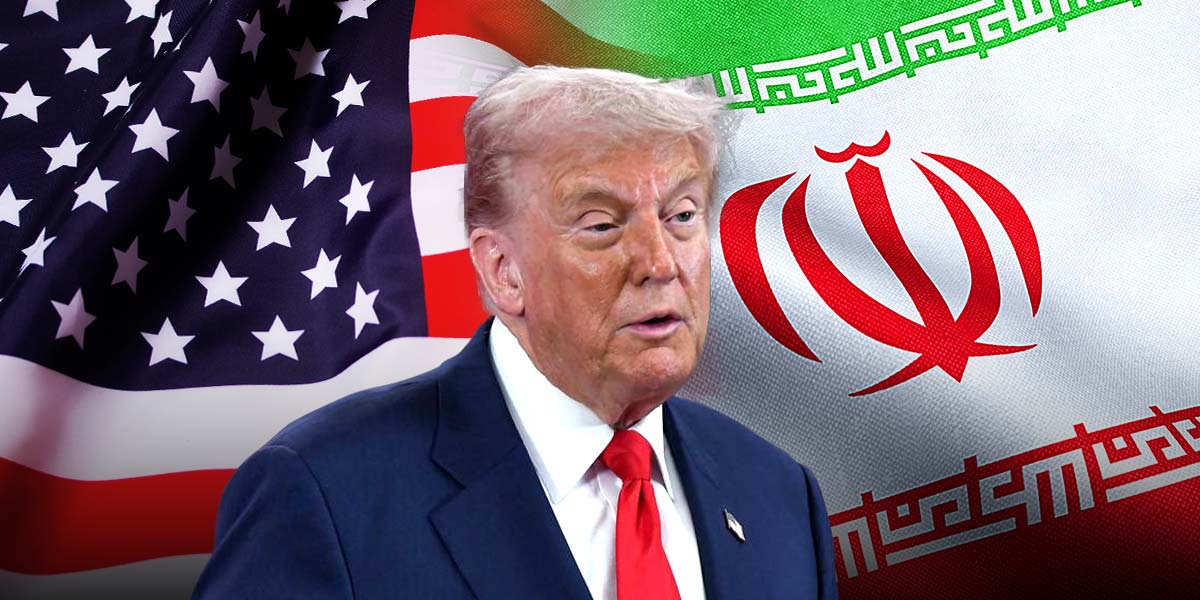
President Donald Trump has indicated that negotiations with Iran could avert a return to full-scale fighting, while retaining the option of further U.S. attacks. He described a renewed war as very unlikely if discussions advance on limiting Tehran’s nuclear activities and restoring passage through the Strait of Hormuz.
During a 20-minute phone conversation with CNN, Trump gave his assessment that renewed war was improbable five times. But he made that assessment conditional on securing an agreement he considered sufficiently strong and said further strikes remained possible if he judged them necessary.
His warnings included attacks on electricity plants and bridges. Trump claimed that 38 bridges could be destroyed within an hour, but supplied neither their locations nor an explanation of their military roles. He also offered no operational information to substantiate the timing.
The president said he preferred to avoid such destruction because reconstruction would take a decade. He issued no announcement authorizing attacks on the bridges.
Before the U.S. midterm elections, Trump had suggested that major military action could resume after voting. No American offensive on that scale had been reported since the election.
The terms for negotiations remain contested more than eight months after the conflict began. Washington wants nuclear matters addressed immediately, whereas an Iranian official said Tehran requires seven conditions to be satisfied before discussions start. Those conditions include sanctions relief, the release of frozen assets and compensation for war damage.
Trump’s requirements for an agreement include unrestricted access through Hormuz and an Iranian commitment never to acquire nuclear weapons. A senior Iranian official told Reuters on November 5 that a nuclear proposal delivered through Qatar was under review in Washington, without providing details.
A separate September plan envisaged restoring shipping access within a week in exchange for an end to the U.S. naval blockade, waivers on Iranian oil sanctions and a ceasefire extending to Lebanon. Its timetable placed the reopening of Hormuz on the sixth day, followed by nuclear negotiations the next day. Whether that framework is connected to the November proposal is unclear.
Maritime incidents have continued alongside the diplomatic effort. Iran reported incidents involving tankers in Hormuz, while the United States said it had disabled a ship in the Gulf of Oman. Tehran has warned that renewed hostilities would trigger retaliation against U.S. and Israeli targets.
Domestic pressure for a settlement is likely to grow following Democrats’ victory that gave the party control of both congressional chambers. Some Republicans may also favor ending the conflict after high gasoline prices contributed to their election losses.
Previous efforts to secure peace and restore access through Hormuz have failed. A resolution that ends the war and reopens the waterway would likely bring some relief to oil prices.