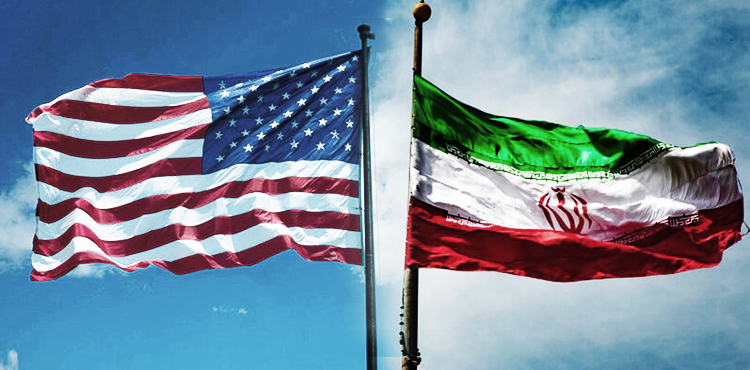
Negotiators from the United States and Iran made headway in talks held in Switzerland on Monday, agreeing to new frameworks aimed at easing tensions and resolving longstanding disputes. Discussions focused on forming committees for nuclear and regional issues, as well as mechanisms to end violence in Lebanon.
According to a report by Reuters citing a senior U.S. official involved in the negotiations, both delegations remained actively engaged throughout the day and into the night, contrary to reports suggesting that Iranian representatives had withdrawn from the talks. The diplomat specified that dialogue was ongoing regarding maritime navigation, nuclear matters, the situation in Lebanon, and implementation details of a previously signed memorandum of understanding.
As part of the progress made, the U.S. and Iran committed to creating a “High Level Committee” responsible for providing political guidance during the mediation process. Chief negotiators will regularly update this committee and coordinate working groups addressing nuclear concerns, sanctions, and mechanisms for resolving disputes.
Additionally, both sides agreed to establish a “de-confliction” cell, with participation from Lebanon and facilitation by mediation countries. This cell is intended to fully halt military hostilities in Lebanon.
Iran’s Foreign Minister, Abbas Araghchi, stated that the talks resulted in substantial gains for Tehran, including exemptions for oil and petrochemical trade, the ending of port restrictions, access to certain frozen funds, and the beginning of plans for national reconstruction and development.
Araghchi highlighted on social media that the success of the deconfliction process in Lebanon would serve as a key measure of the new agreement’s effectiveness, given the ongoing tensions in the region.