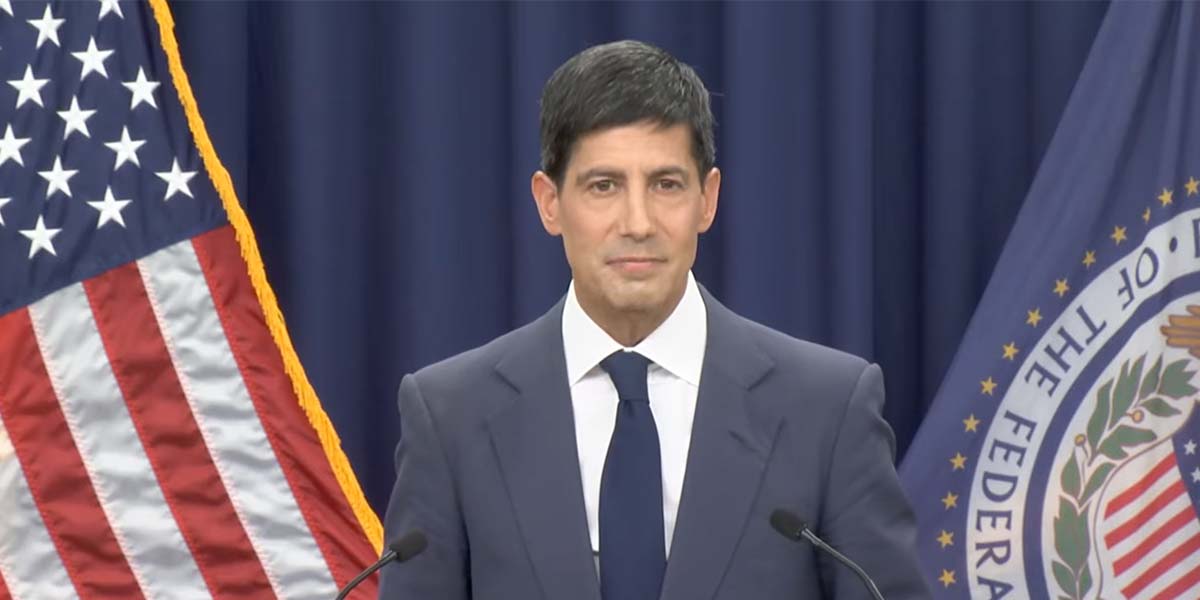
The United States central bank opted to keep borrowing costs unchanged following its July policy review, marking the second such session directed by the newly appointed Chairman, Kevin Warsh.
On Wednesday, the Federal Open Market Committee maintained the benchmark federal funds rate within the 3.50% to 3.75% bracket, continuing a five-meeting streak of holding rates steady despite persistent inflationary pressures.
While the majority favored stability, the decision highlighted significant internal discord, with the committee split in a 9-3 vote. This level of disagreement, unseen in nearly ten years, came from the heads of the Cleveland, Dallas, and Minneapolis Federal Reserve banks, who advocated for a quarter-point increase. These officials had previously expressed concerns during the final tenure of former Chair Jerome Powell regarding the removal of language that signaled future rate reductions.
Fed officials characterized the domestic economy as robust, noting consistent gains in the workforce and steady business productivity. However, central bank leaders acknowledged that price growth remains stubbornly above their 2% target. Chairman Warsh attributed these ongoing pressures to various global disruptions, including energy volatility, lingering supply chain issues, and substantial tariff hikes, as well as a recent surge in capital dedicated to artificial intelligence.
Under the current leadership, the Fed has moved away from the practice of providing “forward guidance,” a strategy historically used to signal future policy intentions to investors. Warsh indicated a preference for analyzing long-term data trajectories rather than reacting to isolated reports. He further clarified that restoring price stability has become the primary focus, suggesting that the goal of maximum employment has moved to a secondary priority for the institution.
Following the announcement, the U.S. dollar retreated against the euro, while major stock indices trimmed earlier daily losses. Market analysts had largely anticipated this outcome, though a significant minority had braced for a potential hike to address the five-year trend of elevated prices.