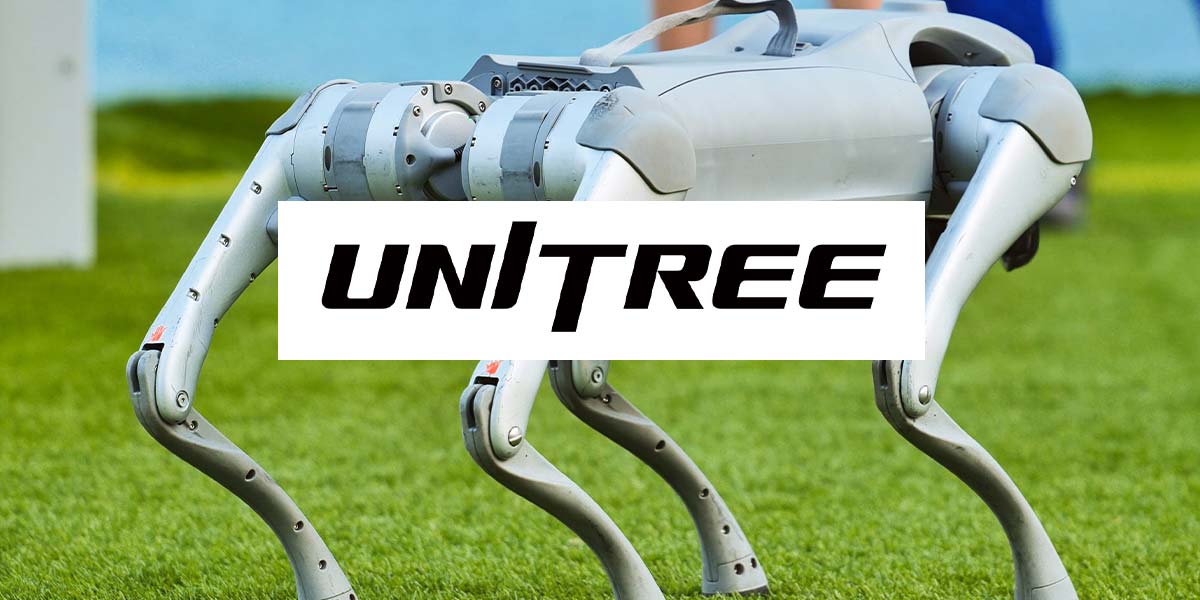
Unitree Robotics, also known as Yushu Technology Co., has announced plans to raise approximately CNY 6.1 billion through its initial public offering on Shanghai’s STAR Market. The debut would establish Unitree as China’s first listed producer of humanoid robots, attracting interest from strategic investors and industry observers.
The company’s offering is set at CNY 150.80 per share, with 40.4 million shares to be released, representing a 10% stake in the expanded share capital. The fundraising effort has attracted deep-pocket support, including investment from AI specialist DeepSeek.
Unitree said it led the sector globally by shipping over 5,500 humanoid robots last year, while its quadruped machines have surpassed 33,000 units sold in total. The company’s revenue surged to CNY 1.7 billion in the previous year, up from CNY 393 million, and net profit came in at CNY 278 million, with gross margin exceeding 60%.
Proceeds from the IPO are earmarked for technological innovation, including further research in embodied AI, next-generation humanoid robots, new product introductions, and scaling its manufacturing footprint. Unitree has flagged advancements in software as an area of heightened risk, noting that industry competition is increasingly centered on artificial intelligence capabilities rather than hardware alone.
The listing coincides with ongoing strains in U.S.-China relations, which have seen Washington restrict access to American technology and impose export controls on foreign-manufactured robots. China has countered these steps with its own set of measures on U.S. firms. While Unitree’s current robots—renowned for their mobility and entertainment value—retain approval for sale in the United States, the company warned that future products may face tighter barriers.
Revenue derived from the American market made up 13.3% of Unitree’s total last year, according to the prospectus. The firm cautioned that rising tariffs, limitations on government procurement, new export restrictions, or the loss of existing clearances could adversely impact global expansion and the supply chain for key imported components.