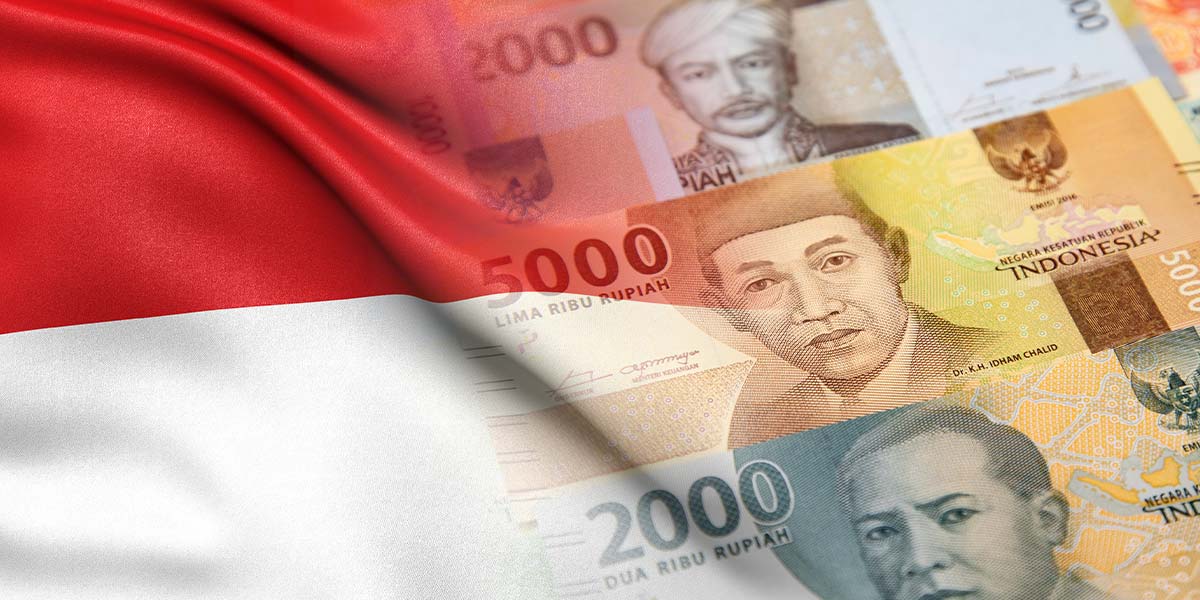
Indonesia’s currency stabilized Wednesday, rebounding from historic lows after the central bank sharply increased its key interest rate and authorities introduced new measures requiring exporters to retain more earnings domestically. Meanwhile, Indonesia’s stock market declined and external market pressures continued to weigh on Asian currencies.
The rupiah traded at 17,600 per U.S. dollar, strengthening after reaching an unprecedented 17,745 earlier in the morning. The steep decline in the currency has been attributed to ongoing volatility in global markets, alongside mounting concerns in Indonesia about fiscal management, the autonomy of the country’s central bank, and stock market supervision. With a depreciation exceeding 5% against the dollar this year, the rupiah ranks among the weakest in the region.
Bank Indonesia’s decision to raise its benchmark rate by 50 basis points to 5.25% came as a surprise by economists. It is expected to respond to ongoing pressures, aiming to bolster the rupiah amid turbulence sparked by higher oil prices and uncertainties stemming from conflict in the Middle East. Following the announcement, Jakarta stocks fell 1.3%, hovering just above their lowest point since April 2025 before ending the day at -0.82%.
Indonesia’s central bank is the latest among several major financial authorities to tighten monetary policy this week. Earlier, the Reserve Bank of Australia and Norway’s Norges Bank opted for 25-basis-point increases, moves reflecting broader inflation worries as disruptions at the Strait of Hormuz threaten approximately one-fifth of the world’s oil supply.
In April, the Bank of England chose to keep its main rate steady at 3.75%, acknowledging significant challenges from rising energy prices. The European Central Bank announced a halt to earlier plans for rate cuts, raised its inflation outlook, and warned prolonged maritime disruptions could trigger recessions in economies heavily dependent on energy imports. The U.S. Federal Reserve, meanwhile, left its policy rate unchanged at the 3.50-3.75% range but shifted to a more aggressive stance, with market participants now anticipating a potential rate hike before year’s end to counter persistent inflation.